

Cast in Place Formwork for Cement Houses: Top Recommendations and Practical Tips
2026-07-21
When building cement houses, formwork might not be the first thing on your mind, but it can make or break your project. Using cast in place formwork gives you solid, seamless walls that last for decades—if you get the setup right. In this guide, we break down top recommendations and practical tips to help you avoid costly mistakes. Whether you’re a contractor or a dedicated DIY builder, insights from LugongMachinery can steer you toward the right equipment and techniques. Let’s dive into what truly matters for efficient, high-quality concrete construction.
Choosing the Right Formwork System for Your Build
Formwork forms the backbone of any concrete structure, and the system you select can make or break your project's timeline, budget, and quality. Before committing, assess the complexity of your design—curved walls, varying heights, or repetitive layouts each demand different approaches. Traditional timber systems offer flexibility for bespoke shapes but can slow down repetitive tasks. Modular or engineered systems, on the other hand, excel in standardised projects, cutting labour time and waste while delivering consistent results. Consider how the formwork will interface with other trades and the site constraints; tight inner-city plots may rule out large crane-dependent systems, pushing you toward lightweight, manually handled options.
Beyond the physical demands, factor in the total economic picture. It’s easy to focus on upfront rental or purchase costs, yet the real expense often lies in labour, downtime, and rework. A system that assembles quickly and requires minimal propping might carry a higher daily rate but could shrink your overall programme enough to bring substantial savings. Also, look at the formwork’s life cycle and reusability. High-quality aluminium or steel systems can endure hundreds of pours and still produce a clean finish, whereas cheaper plywood may degrade quickly and need replacement. Match the material and mechanism not just to this build, but to your future pipeline of work to truly optimise your investment.
Finally, do not underestimate the impact of formwork on concrete finish and safety. If exposed concrete is part of your aesthetic, the form face material and joint detailing become critical—film-faced ply, steel plates, or textured liners each leave their signature. Prioritise systems with integrated access platforms and guardrails; they streamline compliance with safety regulations and can boost crew productivity by removing the need to build separate scaffolding. The right choice blends engineering realism with practical site wisdom, resulting in a formwork system that feels less like temporary work and more like a precision tool for your build.
Key Preparation Steps Before Pouring Concrete
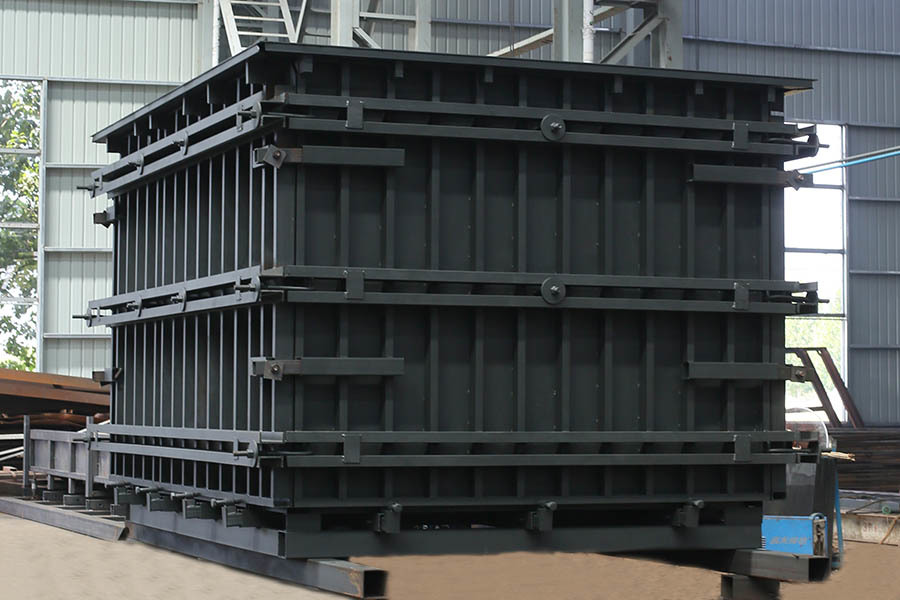
Getting the groundwork right before any concrete pour can make the difference between a durable finish and a costly redo. Overlooking even a minor detail at this stage tends to cause uneven surfaces, poor drainage, or cracking later. The process starts well before the mixer arrives—it’s about foresight and methodical checks on the site.
Start with a clean, well-compacted subgrade. Clear away debris, roots, and loose soil, then level and compact the area thoroughly. Set up sturdy formwork that’s properly aligned and securely braced, because concrete exerts a lot of lateral pressure. Don’t forget to dampen the base and forms slightly without leaving standing water, which helps prevent the dry subgrade from sucking moisture out of the fresh mix too quickly. If reinforcement is needed, place rebar or mesh on proper chairs so it stays in the middle of the slab rather than sinking to the bottom.
Finally, run through a practical checklist: utilities or conduits in place, expansion joints planned, weather forecast checked, and all tools ready. Have extra hands on deck because once pouring starts, it’s a continuous operation. A little extra time spent on these steps means you’ll spend far less time fixing or regretting later.
Pro Tips for Smooth and Efficient Casting
Think of your rod as an extension of your arm, not a separate tool. The smoother your motion, the less effort you'll spend correcting mistakes. Start by keeping your wrist firm and letting the rod load gradually on the backcast—a crisp stop at the right moment stores the energy you need. Many anglers rush the forward cast, but a brief pause to let the line straighten behind you makes all the difference. It might feel unnatural at first, but once you find that rhythm, accuracy will follow without you having to force it.
Beyond timing, body position often gets overlooked. If you twist your torso or rely too much on your arm, you'll lose consistency. Plant your feet shoulder-width apart and rotate from your hips for a more stable motion. Also, pay attention to how you grip the rod; a death grip kills feedback. Hold it just firmly enough to maintain control, with your thumb guiding the path. When you combine this with efficient line management—stripping line onto a clean surface to avoid tangles—you'll spend more time with your fly in the water, where it counts.
Finally, don't underestimate the role of awareness. Before you cast, glance at your surroundings: the obstacles behind you, the wind direction, the seam in the current. Adjusting your angle slightly can turn a difficult cast into a straightforward one. And if things start falling apart, resist the urge to power through. A quick pause, a deep breath, and a reset will save you more time than untangling wind knots. Smooth casting isn't about strength—it's about intentional, deliberate movement that flows with the water, not against it.
Avoiding Common Pitfalls with On-Site Formwork
Despite its critical role in shaping concrete, formwork often gets less attention than it deserves until something goes wrong. One of the stealthiest issues is improper bracing and alignment, which can cause blowouts or walls that lean just enough to fail a level check. On-site teams sometimes underestimate lateral pressure from fresh concrete, especially in tall pours, or rely on quick visual checks instead of verifying plumb and line with instruments at multiple stages. A methodical pre-pour inspection routine—coupled with clear communication between the formwork crew and the concrete placement team—catches most alignment problems before they become costly tear-outs.
Another common stumbling block is rushed stripping, often driven by tight schedules. Pulling forms too early can lead to surface spalling or edge damage that's frustrating to repair and nearly impossible to hide. The temptation to skip some ties or spacers to speed up assembly also backfires, creating bulges or uneven surfaces that ripple through finishing trades. Experienced crews know that a short pause to double-check tie spacing and concrete maturity pays off in fewer punch-list items later. A simple strategy is to document the actual stripping times and compare them with the mix’s strength development curve—this data can then inform decisions on subsequent floors rather than relying on guesswork.
Lastly, there's the overlooked challenge of formwork reuse and maintenance. Panels coated with hardened concrete residue or warped from moisture exposure produce a cascade of defects: poor surface finish, leakage at joints, and reduced dimensional accuracy. Integrating a cleaning and inspection step into the daily cycle, rather than treating it as an afterthought, keeps forms in consistent condition. Some projects have benefited from assigning a "formwork steward" whose sole focus is catching damaged components early and tracking the number of uses per panel. It’s a small overhead that drastically cuts the hidden cost of remedial work and surprise failures during the next pour.
Enhancing Durability Through Proper Vibration and Curing
Consolidating freshly placed concrete isn't just about removing air pockets; it's about knitting the mix into a cohesive mass. When a vibrator is immersed at regular intervals and steadily withdrawn, it compels the paste to fill every crevice around rebar and formwork. What many overlook is the rhythm—over-vibration forces heavier aggregates to sink, creating a weakened surface layer, while under-vibration leaves behind honeycombs that become moisture highways. The sweet spot is a deliberate, patient pattern that nudges bubbles upward without disrupting the developing bond between paste and stone.
Curing is often misunderstood as mere moisture retention, but it's essentially a long, protective conversation between water and cement. Keeping the surface continuously damp for the first week—or longer in cooler weather—allows hydration to penetrate deeper, knitting the calcium silicate hydrates that give concrete its spine. A soaker hose draped in burlap, a well-timed fog spray, or a curing compound that locks in internal water all serve the same purpose: preventing the premature drying that steals strength and invites micro-cracks. This slow, steady nurturing transforms a brittle shell into a resilient structure that shrugs off freeze-thaw cycles and chemical attacks.
The true test of durability often shows up years later, in the way a wall withstands salt-laden winds or a floor handles heavy traffic without spalling. That resilience isn't accidental—it's seeded during those early hours when vibration and curing work in tandem. By honoring the bond zone between aggregate and paste through thorough consolidation, and then giving the chemistry enough time to fully mature, you create a matrix that resists cracking from the inside out. It's the difference between concrete that merely looks solid and concrete that silently endures.
Timing Formwork Removal Without Compromising Strength
Concrete gains strength over time through a chemical process known as hydration. Rushing to strip formwork can jeopardize the structural integrity of a project, but waiting too long stalls progress and ties up resources. The key lies in understanding that formwork is primarily a temporary mold—not a permanent support once the concrete can bear its own weight and any applied loads. Recognizing the moment when the material has developed enough strength to stand independent is a balance between safety and schedule.
Instead of relying solely on fixed time intervals, many experienced teams monitor temperature and maturity to gauge in-place strength. By tracking the concrete's thermal history, they can estimate when it reaches the threshold needed for removal—often a percentage of its design compressive strength. For vertical elements like walls and columns, this point typically arrives sooner because they carry no significant bending loads. Slabs and beams, on the other hand, demand more caution and often require backshoring to redistribute loads until full strength is achieved.
There is no universal rule for timing, as mix design, ambient conditions, and structural role all influence the decision. Some contractors perform pull-out tests or use field-cured cylinders to confirm readiness without guesswork. By blending scientific insight with practical field checks, it is entirely possible to strip forms early without cutting corners—protecting both the crew's schedule and the building's long-term durability.
FAQ
When picking formwork, the main things to look at are the material quality and how reusable it is. Steel forms are great for long-term projects because they're tough and give a smooth finish, but they cost more upfront. Plywood is cheaper and works well for small builds, but you need to check it can handle the concrete pressure. Also, think about the weight – you don't want forms that are too heavy for your crew to handle safely. And don't ignore the joints; leaky seams can ruin the wall surface.
First, make sure the formwork is braced properly. Use sturdy supports and tie rods, and double-check that the ties are tight against the concrete pressure – not just finger-tight, really crank them down. For tall walls, space the ties closer together toward the bottom. Another thing: pour the concrete in lifts and take your time. If you dump it all in fast at once, the pressure builds up and can push the forms out of shape. Lastly, always inspect the formwork before pouring; even a small crack in the plywood can lead to a blowout.
To get that smooth, almost polished look, start with the form-facing surface. If you're using plywood, go for a high-grade film-faced panel – these leave minimal grain print. Clean the forms thoroughly before each use; dried concrete bits will mess up the finish. Apply a good form release agent evenly, but don't overdo it – too much can stain the concrete. Also, vibrate the concrete properly. Not enough vibration leaves bug holes, but too much can bring all the paste to the surface, which weakens it. Finally, if you're stripping the forms early, wait until the concrete is hard enough to avoid slumping or tearing the surface.
Alignment starts with a solid footing. Use a level base or adjust the starter bars to clean out any unevenness. Set up string lines and use a plumb bob or a laser level to mark your lines before locking the forms. Once the first panel goes up, brace it temporarily and recheck with a level. As you connect panels, measure diagonally across corners to keep things square. Remember that concrete is heavy, so even small misalignments get worse as you pour. Don't rely just on eye – use a 4-foot level at several spots along the wall. And after placing the rebar, double-check because it's easy to nudge the forms while tying steel.
One big mistake is underestimating the concrete pressure. People sometimes use too few ties or space them too far apart, and then the form bulges. Another is not sealing gaps between panels; even a small gap can let cement paste leak, creating ugly honeycombing. Also, stripping the forms too early is a common error – the concrete needs time to gain enough strength, especially in cold weather. Skipping the release agent is another one; it doesn't just help removal, it protects the forms so they last longer. Finally, not planning for service penetrations. If you forget to cast in pipes and boxes, you'll be drilling and patching later, which looks messy.
For small houses, wood formwork is usually the go-to because of the lower initial cost and ease of handling. You can cut and customize plywood to fit odd shapes, which is handy for bump-outs or curved walls. The downside is that wood absorbs moisture and swells, which can cause blemishes, and it wears out faster – maybe 20 to 30 uses if you're careful. Steel formwork, on the other hand, gives a consistently smooth finish and can be reused hundreds of times, but it's heavy and needs a crane for big panels, which might not be practical on a tight site. If you're only building one or two houses, wood makes more sense. But if you're doing multiple units, steel could save time and give better results in the long run.
Stability starts with the bracing system. Use screw jacks or strong timber braces anchored to the ground, not just leaning against the forms. Check the tie rods again after the pour; sometimes they loosen if the concrete shifts. Keep an eye on the weather – heavy rain can soften the ground and cause the props to sink, so put footings under braces on soft soil. Don't vibrate the concrete right next to the form face unless you have to, as that can increase pressure. And never walk on top of the forms while the concrete is still fresh. Wait the full recommended curing time before removing any support; even if the concrete looks solid, lateral pressure from backfill or upper floors can push walls out of line.
If you're on a budget, traditional plywood with a phenolic film is a solid choice. You can reuse it several times if you oil it after each pour. For really tight budgets, you can use regular plywood and coat it with a waterproof sealer, but the finish won't be as clean. Reclaimed metal from scrap yards can work for small columns or lintels, but be sure it's straight and clean. Another option is plastic-faced panels – they're lightweight and cheap, but they can warp in heat. Don't skimp on ties and braces; a few extra dollars on good hardware can save you from a blowout that costs way more. Sometimes renting the formwork is cheaper than buying if it's a one-off job.
Conclusion
Successful cast-in-place formwork for cement houses hinges on careful system selection and thorough preparation. Choosing the right formwork—whether traditional timber, engineered modular panels, or stay-in-place systems—demands balancing cost, reusability, and the specific architectural demands of the project. Before any concrete is poured, critical steps like soil compaction, precise leveling, and applying a quality release agent cannot be overlooked, as they directly influence the final surface finish and ease of stripping. Integrating these early decisions with a clear workflow ensures the foundation and walls rise without costly delays.
During the pour itself, attention shifts to technique and timing. Smooth, efficient casting requires a steady, layered placement of concrete, avoiding segregation while using vibration methods that consolidate the mix without overworking it—this is where durability is either won or lost. Equally vital is maintaining a proper curing regimen, keeping the concrete moist and protected for at least seven days to achieve its design strength. When it comes to striking the forms, patience pays off; waiting for sufficient curing, guided by on-site cube tests rather than arbitrary timelines, prevents surface damage and structural weaknesses. By interweaving these practical tips, builders can avoid common errors like blowouts or honeycombing, delivering a robust and long-lasting cement house.
Contact Us
Contact Person: Zhang Zhenlai
Email: [email protected]
Tel/WhatsApp: 8618563210000
Website: https://en.lugongmachinery.com/