
China Flexible Stone Leads Eco-Friendly Building Design
2026-07-28
Imagine a building material that bends like rubber yet looks like natural stone, slashing construction waste while redefining what’s possible in green architecture. Magic Stone is spearheading this revolution with its flexible stone veneer, a lightweight marvel born from China’s innovative eco-building movement. But how does peeling stone like wallpaper translate into durable, stunning facades—and why are architects calling it the future of sustainable design? This blog unpacks the story behind the trend that’s reshaping skylines and minds alike.
The Rise of Flexible Stone in Sustainable Architecture
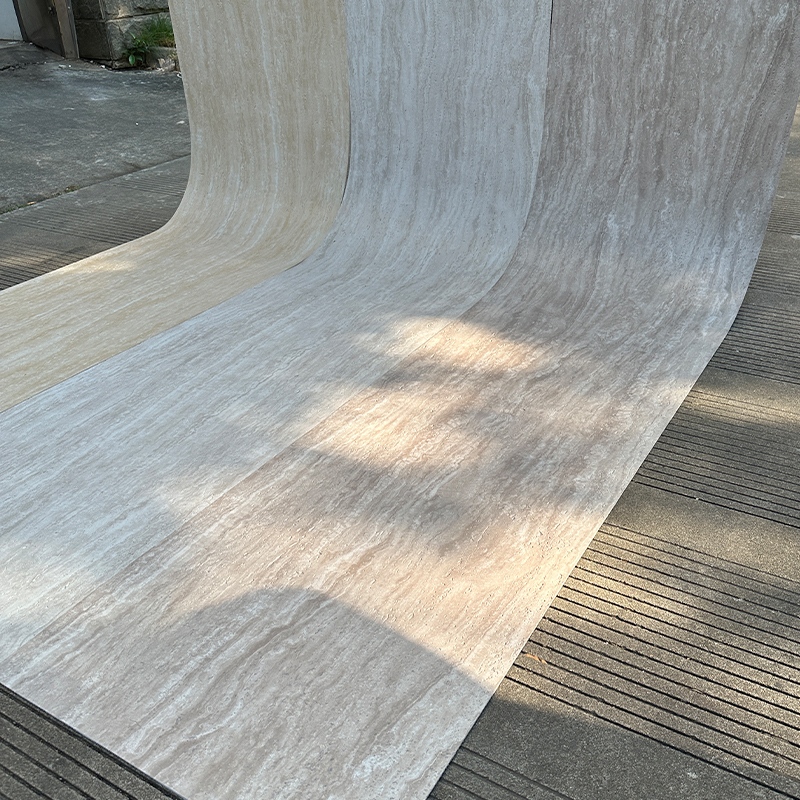
Flexible stone is quietly reshaping how architects think about natural materials. At its core, it’s a composite—thin layers of genuine stone, often sandstone, mica, or quartz, bonded onto a lightweight backing like fiberglass or cotton. The result is a sheet only a few millimeters thick that can bend, curve, and wrap around surfaces that would be impossible for traditional stone slabs. This isn’t fake stone; it retains the authentic texture and variation of the real thing, just in a form that opens up new possibilities.
The sustainability appeal goes deeper than surface charm. Quarrying standard stone blocks produces massive waste and demands heavy transport. Flexible stone, by contrast, is made from stone flakes, a byproduct many quarries would otherwise discard. The lightweight rolls slash shipping emissions, and installation requires no wet trades, harsh adhesives, or energy-intensive cutting. Over a building’s life cycle, it contributes to better thermal performance when used in rainscreen systems, and at end of life, it can often be returned to the earth or repurposed.
Designers are drawn to it not just for green credentials but for the freedom it grants. Curved walls, undulating facades, and intricate reveal patterns become achievable without custom masonry. It has found its way into commercial lobbies, residential interiors, and even temporary pavilions where weight matters. As building codes tighten and material innovation accelerates, flexible stone is moving from a niche curiosity to a go-to option for those who want nature’s honesty without its rigidity.
Redefining Wall Finishes with Lightweight, Eco-Friendly Materials
For decades, wall finishes meant layers of heavy plaster, synthetic paints, and resource-intensive tiles—materials that often trapped moisture, emitted VOCs, and weighed down both interiors and the planet. A quiet shift is underway, driven by a new generation of lightweight, eco-friendly alternatives that strip away unnecessary bulk. Think compressed cork panels that bring warmth without the weight, mycelium-based boards grown from agricultural waste, or clay plasters that regulate humidity naturally. These materials don’t just sit on surfaces; they breathe, adapt, and break the cycle of constant renovation by outlasting their conventional counterparts.
What truly redefines wall finishes is the freedom these materials unlock. Installers can glue up an entire accent wall in hours, not days, because a fiber-reinforced hemp panel weighs a fraction of stone. Designers are no longer limited by structural support—they can curve, overlap, and experiment with textures that feel organic and unforced. Beneath the aesthetics lies a deeper promise: end-of-life finishes that compost back into soil or get recycled into new sheets, closing the loop and turning walls from static barriers into active participants in a healthier built environment.
China's Answer to Green Building: Ultra-Thin Stone Veneer
A quiet revolution is underway in the world of sustainable construction, led by an unassuming material: ultra-thin stone veneer. Sourced from natural stone, it is sliced into layers just a few millimeters thick, preserving the authentic texture and appearance of full-thickness masonry while dramatically reducing weight and resource consumption. This approach taps into a deeper philosophy of using less to achieve more, challenging the notion that durable and beautiful buildings require heavy, carbon-intensive materials.
What sets this material apart is its ability to be applied directly onto existing surfaces—concrete, drywall, even furniture—without the need for hefty structural support. The ultra-thin profile translates to far lower transportation emissions and less waste on site. In a country like China, where urban growth continues at a staggering pace, the embrace of such lightweight cladding is more than a design choice; it's a strategic move toward lowering the embodied energy of new construction. The stone can be bent, backlit, and formed into curves, giving architects a flexible canvas that doesn't sacrifice the timeless appeal of real stone.
Beyond aesthetics and efficiency, the production process is increasingly refined to minimize environmental impact. Advances in cutting technology mean less stone is lost during fabrication, and manufacturers are exploring ways to reuse offcuts. When a building's life cycle ends, the veneer can be stripped and repurposed, not landfilled. For developers and policymakers aiming to meet green building standards without escalating costs, this ultra-thin alternative is proving to be a pragmatic, scalable solution—one that quietly redefines what a modern, responsible facade can be.
Why Architects Are Switching to Flexible Stone
Rigid stone panels crack under pressure—literally. Transport vibrations, thermal shifts, and seismic tremors turn brittle surfaces into costly repairs. Flexible stone bends instead of breaking, absorbing stress through a polymer-backed composite that moves with the building. Architects value this resilience in high-traffic cladding zones where traditional masonry fails, reducing long-term maintenance without sacrificing a natural stone look.
Weight kills creativity. Solid stone slabs force structural compromises, demanding thicker steel and deeper foundations. Flexible stone slashes material weight by over 70%, letting designers wrap curves, soffits, and lightweight frames effortlessly. It opens possibilities for organic forms that rigid panels can’t touch—without hiring specialized crews or battling gravity on installation day.
Installation speed flips project economics. Traditional stonework requires angle grinders, wet saws, and weeks of skilled labor. Flexible stone adheres directly to substrates with standard tools, cutting onsite time dramatically. Teams finish façades in days, not months, sidestepping weather delays and scaffolding costs. For firms balancing tight budgets with premium aesthetics, that speed translates straight to profit margins.
From Mining Waste to Design Treasure: The Story of Flexible Stone
For decades, quarries have left behind heaps of stone offcuts and dust—byproducts once deemed worthless. Then came an unexpected twist: innovators found a way to bind these fine particles with polymers, giving rise to a thin, bendable veneer that captures the raw beauty of natural stone without the heft. What began as a solution to mining waste has quietly reshaped the way architects and designers think about surface materials.
Flexible stone emerges from a process that transforms discarded limestone, marble, or quartzite into sheets pliable enough to wrap around curves and columns. Unlike traditional slabs, it needs no heavy machinery for installation; a simple peel-and-stick method allows it to cling to walls, furniture, or even ceilings. The texture remains authentically stone-like—cool to the touch, with irregular veins and subtle color shifts—yet it feels almost like leather when handled.
Today, this material sits at the intersection of sustainability and aesthetics, turning what was once relegated to landfills into a sought-after design element. From boutique hotel lobbies to residential accent walls, its lightweight nature and low environmental footprint have made it a quiet favorite among those looking to inject organic warmth into modern spaces. The story of flexible stone isn’t just about recycling; it’s about reimagining the very definition of luxury in the built world.
Designing the Future with Bendable, Breathable Stone
There’s a quiet revolution happening in materials that might just rewrite the rules of architecture. Forget rigid slabs and stuffy interiors—imagine stone that flexes like leather and breathes like fabric. By weaving ultra-thin veneers of natural stone into flexible backings, we’ve unlocked a material that drapes, curves, and flows. It’s still the real thing, with all the texture and permanence of rock, but now it moves with the spaces we actually live in.
What makes this so compelling is how it blurs the line between solid and soft. The breathable quality isn’t a gimmick; it’s a functional leap. Moisture passes through, so it can wrap around a steamy bathroom vanity without trapping dampness or delaminating. Light hits the surface differently too—the natural grain catches shadows on a curve that a flat slab would never reveal. Designers are already using it for seamless countertops that climb the wall, headboards that arc into nightstands, and partition screens that ripple like wind through a canyon.
This isn’t about mimicking other materials—it’s about giving stone a new language. When you can bend it by hand and cut it with a utility knife, the installation fear factor disappears. Imperfect walls get a forgiving skin. Temporary installations leave no trace. The future it points to isn’t loaded with tech jargon; it’s quietly practical. We’re finally letting stone be light, adaptable, and surprisingly warm to the touch. It’s a material that remembers its origins but isn’t trapped by them.
FAQ
China Flexible Stone is a sustainable building material made from natural stone veneer attached to a flexible backing. It reduces quarrying waste by using thin layers of stone, lowers transportation emissions due to its lightweight nature, and often incorporates recycled content, making it a green alternative for modern architecture.
The production peels thin layers from stone blocks instead of cutting thick slabs, dramatically reducing raw material consumption and energy use. Water-based adhesives and low-VOC coatings are typically used, and leftover stone powder can be recycled into other products, closing the waste loop.
Besides being eco-friendly, it is lightweight, easy to cut and install without heavy machinery, and can be applied to curved surfaces or existing walls. It also offers natural texture and durability while reducing structural load and installation time.
It is popular in both interior and exterior applications, including feature walls, facades, columns, furniture surfaces, and commercial spaces like hotels or retail stores. Its versatility and ease of renovation make it suitable for remodeling projects as well.
By using recycled materials, minimizing resource extraction, and contributing to energy efficiency in transport and installation, it can earn points for LEED, BREEAM, or other certification systems. Its long lifespan and low maintenance also support sustainable building operation.
Yes, manufacturers can offer a wide range of natural stone types like slate, quartzite, or marble, and even mix different stone chips for unique patterns. It can be cut into various sizes and shapes, and backlit options are available for decorative effects.
Awareness is still growing, and some architects may be skeptical about its long-term durability compared to thick stone. However, rigorous testing shows it withstands weathering and UV exposure well, and competitive pricing along with environmental regulations are driving wider use.
Conclusion
The construction world is witnessing a quiet revolution as flexible stone emerges from China, reshaping how architects approach eco-friendly design. Derived from mining waste that would otherwise be discarded, this ultra-thin stone veneer breathes new life into sustainable architecture, transforming what was once considered industrial scrap into a coveted design element. Its lightweight and bendable nature makes it surprisingly practical—installers can wrap it around curved surfaces, slap it onto walls without heavy machinery, and cut it with simple tools. The material’s porous structure allows airflow, resisting mold in humid climates while offering the authentic texture and elegance of natural stone. This is not a synthetic imitation but real stone reduced to a millimeter-thick layer bonded to a flexible backing, proving that luxury and sustainability need not be at odds.
Architects drawn to green building certifications are increasingly specifying flexible stone for its minimal environmental footprint and design versatility. Unlike traditional quarried slabs, its production consumes far less energy and generates negligible waste, aligning perfectly with the principles of a circular economy. It sidesteps the weight penalties that often require reinforced substructures, expanding its use in retrofits and lightweight constructions. Beyond technical merits, the material tells a story—one of ingenuity turning a pollutant into a palette, of China’s manufacturing capacity advancing ecological innovation. As the industry shifts away from resource-hungry materials, flexible stone stands out as a practical, scalable solution that doesn’t compromise on aesthetic ambition, marking a definitive step toward the future of building.
Contact Us
Contact Person: Vito
Email: [email protected]
Tel/WhatsApp: 86 13088879266
Website: https://www.magicstonemcm.com