

China Petrochemical Industry Events: Key Developments and Emerging Trends
2026-05-06
China's petrochemical landscape is shifting faster than ever—new policies, green mandates, and supply chain realignments are rewriting the rules. At the heart of this transformation, ICIF spotlights the breakthroughs and bottlenecks shaping tomorrow's markets. From carbon-neutral crackers to advanced recycling, here’s what’s truly driving the industry forward—and why it matters now.
Green Shift Reshapes Petrochemical Production in China
China's petrochemical sector, long reliant on coal and crude oil as primary feedstocks, is pivoting toward cleaner processes. Mega-refineries along the coast now integrate carbon capture units and electrified crackers, slashing emissions per ton of ethylene. These facilities tap into surging renewable power from offshore wind, replacing coal-fired heat with electric furnaces that can throttle output dynamically. The shift is not just incremental upgrading—it represents a fundamental rethinking of how bulk chemicals are made, with waste CO2 piped to adjacent methanol or synthetic fuel plants, turning a liability into a resource.
Bio-based feedstocks are gaining traction as an alternative route to drop-in polymers. Several joint ventures are piloting the conversion of agricultural residues and municipal waste into naphtha-range hydrocarbons via gasification and Fischer-Tropsch synthesis. While still a fraction of total capacity, these pathways reduce dependence on imported oil and align with China's dual carbon goals. At the same time, digital retrofits enable live monitoring of energy intensity across sprawling complexes, allowing operators to tune reaction conditions moment by moment—a quiet revolution that cuts both cost and climate impact.
The green pivot also alters the industry's geographic footprint. Inland coal-chemical bases are under pressure to shrink or retrofit, while coastal hubs that marry port logistics with hydrogen infrastructure expand. Ammonia and methanol plants are being reimagined as flexible assets, capable of running on green hydrogen during daylight hours when solar power floods the grid. This reconfiguration turns petrochemical parks into nodes in a broader energy system, storing surplus renewable electrons in chemical bonds and dispatching them when demand peaks.
Digital Tools Drive Efficiency at Chinese Refineries
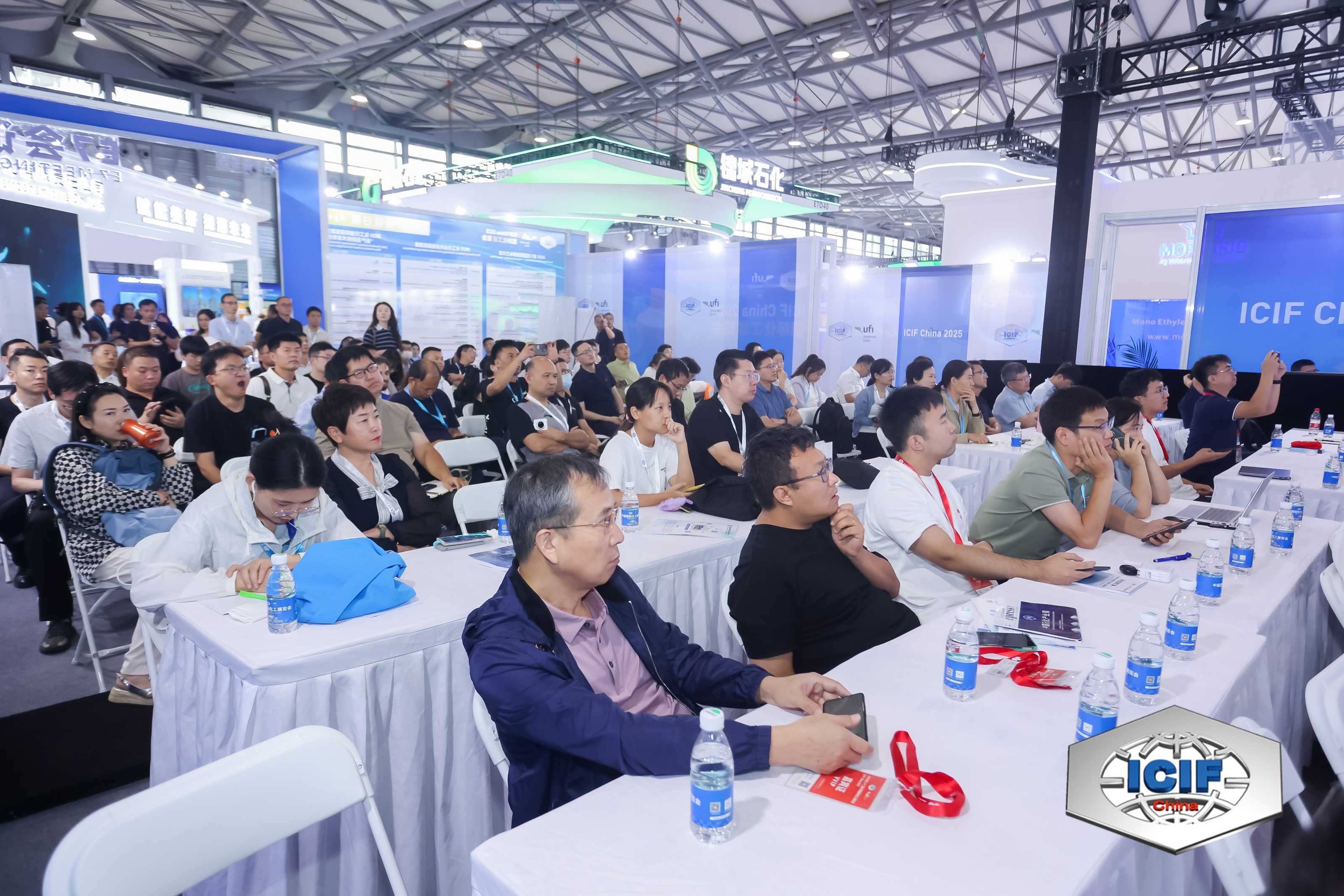
Chinese oil refineries are increasingly turning to software and sensor networks to cut waste and speed up decision-making. Engineers now monitor distillation columns, cracking units, and pipeline flows through centralized dashboards that flag anomalies before they cause shutdowns.
One coastal complex recently linked its control systems with a predictive maintenance platform. By analyzing vibration and temperature data from thousands of pumps, the system schedules repairs only when needed, trimming downtime and spare-part inventories.
Elsewhere, cloud-based logistics tools coordinate crude shipments and product distribution, shaving days off turnaround times. Small adjustments guided by machine learning--like tweaking furnace temperatures or blending ratios--quietly add up to millions in annual savings.
New Mega-Projects Redraw the Chemical Supply Map
A wave of colossal chemical investments is quietly redrawing the global supply map, shifting production hubs away from traditional strongholds. In China, multi-billion-dollar integrated complexes are coming online at an astonishing pace, leveraging coal-based feedstocks and mammoth scale to slash costs. Across the Atlantic, the US Gulf Coast is witnessing a second petrochemical renaissance, driven by cheap shale gas liquids that underwrite crackers and derivative units of unprecedented size. These aren’t just incremental capacity additions—they represent a structural rewiring of where and how base chemicals are made.
The ripples extend far beyond ethylene and propylene. New methanol and ammonia mega-plants are sprouting in regions with stranded gas or abundant renewables, from the US Permian Basin to the deserts of the Middle East and wind-swept coasts of South America. Meanwhile, India’s push for self-reliance is birthing massive downstream projects, while Europe, despite its high energy costs, doubles down on circularity-driven mega-investments in chemical recycling. Each project is a strategic chess move, reshaping trade flows and leaving downstream buyers to rethink their sourcing logic.
For procurement managers and supply chain strategists, this shifting map is both an opportunity and a headache. The sheer volumes from these mega-projects can destabilize regional pricing, create new arbitrage spreads, and strain logistics infrastructure. Partnerships and offtake agreements are being forged along unconventional routes, often bypassing established traders. In this fluid landscape, agility and local intelligence are fast becoming as critical as cost competitiveness, as the once-stable chemical supply map transforms into a dynamic, multipolar web of supply.
Policy Overhaul Targets Emissions in Plastics Sector
The plastics industry has long been a major contributor to greenhouse gas emissions, with its reliance on fossil fuels for both feedstock and energy. In response, governments are rolling out sweeping regulatory changes aimed at curbing pollution across the entire plastics lifecycle—from production to disposal. These measures are not just incremental adjustments but represent a fundamental shift in how plastic products are manufactured, used, and managed at end-of-life. Policymakers are under pressure to align economic activity with climate commitments, and the plastics sector, often overlooked in past climate frameworks, is now squarely in the crosshairs.
At the heart of the overhaul are stricter emission caps, mandatory recycled content targets, and extended producer responsibility schemes that shift the cost of waste management back to manufacturers. Some jurisdictions are introducing carbon pricing mechanisms that directly penalize the use of virgin feedstocks, making recycled materials more economically attractive. Additionally, new rules aim to limit single-use plastics and ban the most energy-intensive production methods. For companies, compliance will require significant capital investment in clean technologies, supply chain transparency, and product redesign—all of which are reshaping competitive dynamics within the industry.
Industry reaction has been mixed. While some frontrunners view the policy push as an opportunity to innovate and capture market share in sustainable materials, others warn of operational disruptions and higher costs that could be passed on to consumers. Trade associations are lobbying for more gradual implementation and government support for infrastructure development. Yet, the direction of travel is clear: the plastics sector must decarbonize, and those who move early may find themselves better positioned in a future where environmental performance is as critical as price and functionality. The overhaul signals that the era of plastics enjoying a relatively light regulatory touch on emissions is over.
Bio-Based Feedstocks Gain Traction Amid Cost Pressures
Spiking petroleum prices and supply chain disruptions have pushed manufacturers to rethink raw material strategies. Bio-based feedstocks, once a niche sustainability play, are now penciling out as serious cost-competitive alternatives. Corn-derived acids, soybean polyols, and lignin-based additives are shedding their premium image as processing efficiencies climb and fossil fuel volatility persists. A growing number of mid-market chemical firms report that switching to renewable inputs has trimmed raw material expenses by up to 18% year-over-year, even before factoring in carbon credit savings. This shift isn't just environmental branding—it's balance sheet math.
The economics tilt further when you consider the hidden costs embedded in traditional feedstocks. Tariff exposure on imported crude derivatives, coupled with escalating logistics fees, erode margins in ways that bio-sourced materials often bypass. Domestic sourcing of agricultural byproducts reduces lead times and insulates against geopolitical swings. One ethanol derivatives producer noted that their variable cost per ton dropped below that of virgin petrochemical equivalents for the first time since 2015, driven by surplus corn supply and refined fermentation techniques. They're not alone; several European manufacturers are retrofitting existing crackers to handle bio-naphtha blends, a move that would've been laughed out of boardrooms five years ago.
Still, challenges linger around feedstock consistency and scale. Seasonal variability affects crop-based inputs, and the logistics of gathering waste streams remain patchy. Yet, innovation is bridging gaps—enzyme engineering has boosted conversion yields by double digits, while artificial intelligence optimizes blend ratios in real time. Forward-thinking companies aren't waiting for perfect parity; they're locking in multi-year contracts with agricultural cooperatives and securing supplies before demand outpaces capacity. In a market where a five-cent swing in feedstock costs can determine quarterly earnings, the allure of stable, locally sourced alternatives has never been stronger.
Overseas Partnerships Secure Critical Technology for Local Firms
Forging international alliances has become a strategic imperative for companies seeking to bridge critical technology gaps. These collaborations often unlock access to specialized knowledge, advanced manufacturing processes, or scarce components that simply aren't available domestically. By tapping into foreign expertise, local firms can leapfrog years of in-house development, bringing cutting-edge solutions to market faster while sharing the inherent risks and costs of innovation.
Beyond the immediate transfer of know-how, such partnerships frequently lead to co-development of intellectual property that strengthens the local firm's competitive edge. A medical device startup, for instance, might partner with a German engineering firm to integrate precision optics, resulting in a product that neither could have built alone. These relationships also create informal channels for talent exchange, where engineers from both sides collaborate and cross-pollinate ideas, elevating the overall technical capacity of the local partner long after the initial project concludes.
The benefits extend into supply chain resilience. By embedding themselves in global innovation networks, companies reduce dependence on single-source suppliers and gain priority access to next-generation materials or components. When a crisis disrupts normal trade flows, these established relationships often prove more reliable than transactional vendor ties. Ultimately, the trust and mutual understanding built through sustained collaboration become invisible assets, enabling local firms to navigate complex regulatory landscapes and cultural nuances that often derail less committed entrants.
FAQ
In early 2025, authorities tightened emissions standards for refineries, pushing companies to accelerate adoption of carbon capture technologies. Simultaneously, import quotas for certain feedstocks were adjusted to promote domestic processing.
Two major integrated refining-petrochemical complexes came online in Zhejiang and Shandong, each with capacity exceeding 20 million tonnes per year. These facilities prioritize production of high-value chemicals over traditional fuels.
Many state-owned enterprises are investing heavily in bio-based plastics and chemical recycling. Pilot projects for hydrogen-based steelmaking and green ammonia production have also been launched, aligning with carbon neutrality goals.
A notable shift toward lighter feedstocks like ethane and naphtha is underway, driven by the surge in shale gas extraction and the need to produce more olefins for battery materials and lightweight composites.
Despite robust domestic demand, margins for commodity chemicals have narrowed significantly. Companies are pivoting toward specialty chemicals and high-performance polymers to differentiate and maintain profitability.
Leading firms are deploying AI-driven predictive maintenance and smart logistics platforms, cutting unplanned downtime by up to 15% and improving supply chain visibility across sprawling industrial parks.
Joint ventures with European and Middle Eastern partners are expanding, focusing on technology transfer for advanced catalyst development and the construction of export-oriented refineries in Asia’s growth markets.
Conclusion
China's petrochemical sector is navigating a transformative period, marked by a decisive push toward sustainability and digital innovation. The green transition is reshaping production methods, with refineries increasingly adopting low-carbon processes and renewable energy integration to curb emissions. At the same time, digital tools—from advanced analytics to artificial intelligence—are driving a step change in operational efficiency, optimizing maintenance and reducing downtime across processing plants. This dual focus on decarbonization and smart manufacturing is further propelled by stringent policy overhauls targeting plastics, which impose stricter emissions controls and promote circular economy principles. Together, these shifts are not just responses to regulatory pressure but strategic moves to future-proof the industry.
The industry's physical and technological landscape is also being redrawn. Mega-scale projects, particularly in coastal hubs, are reconfiguring the chemical supply map, creating integrated complexes that leverage economies of scale and proximity to key markets. Amid persistent cost pressures, the quest for feedstock diversification has accelerated, giving bio-based alternatives a firmer foothold as firms seek resilience against volatile crude prices. Critically, overseas partnerships have emerged as a conduit for securing critical technologies—from advanced catalysts to proprietary process designs—that local firms need to climb the value chain. These dynamics underscore a strategy that blends domestic ambition with global collaboration, positioning China's petrochemical industry at the intersection of sustainability, efficiency, and strategic self-reliance.
Contact Us
Contact Person: Shaozhen Zhou
Email: [email protected]
Tel/WhatsApp: 0086-18612117599
Website: https://en.icif.cn/