

Custom Leather Office Chairs That Blend Comfort, Style, and Durability for Your Workspace
2026-10-23
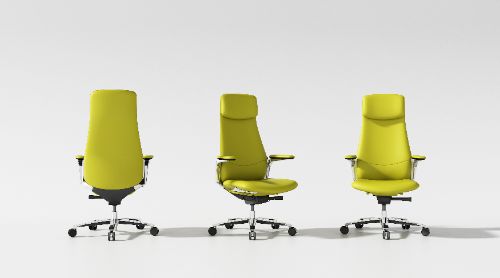
A great office chair isn't just furniture—it's where your best ideas take shape. But when comfort, style, and long-term durability all matter, off-the-shelf options often fall short. That's where custom leather office chairs come in, tailored to your workspace and your body. At OFCJNS, we believe your chair should work as hard as you do, blending premium leather, ergonomic support, and a design that reflects your taste. In this post, we'll explore why a custom leather chair might be the upgrade your workspace has been missing—and what to look for before you invest.
Sitting Should Not Feel Like a Compromise
A chair should never force you to choose between staying upright and actually relaxing. Too many designs treat comfort as an afterthought, leaving you adjusting your posture every few minutes just to get through a meal or a work session. Real support means the seat welcomes your body without demanding constant micro-corrections, whether you are leaning forward to write or settling back to think.
The curve of the backrest, the angle of the seat pan, the height of the armrests — these details matter more than the shape of the frame. When they align with how your body naturally moves, sitting becomes effortless. You stop noticing the chair altogether, and that is exactly the point. Discomfort only announces itself when something is off.
Good seating adapts to the person, not the other way around. It should support long conversations, focused work, and lazy Sunday mornings without making you pay for it later. If you find yourself shifting, fidgeting, or counting the minutes until you can stand up, the chair has already failed its one simple job.
The Leather Grade Most Sellers Won’t Mention
When a tag says “genuine leather,” it sounds reassuring, but in the actual grading system that term marks the lowest tier of real leather. It’s the split layer left over after the top grain has been sliced off, then sanded, stamped with a fake grain, and heavily pigmented to look uniform. Sellers rarely volunteer this because calling it “split leather” or “corrected leather” would instantly lower what customers are willing to pay.
What they skip over even more often is bonded leather—basically leather dust and scraps glued onto a fabric backing and embossed to mimic the real thing. It cracks, peels, and wears worse than almost any alternative, yet it still gets described with vague terms like “leather-touch” or “engineered leather.” If a listing doesn’t state the exact grade, that omission is usually the whole story.
Building the Chair Around Your Actual Workday
Most chairs are built for an imaginary average person who sits still from nine to five. Your actual workday probably looks nothing like that. You might start with a deep-focus writing block, then shift to a video call, then pace around while thinking through a problem, and finally land back at the desk for a quick email triage. Building the chair around that reality means ignoring the marketing claims about all-day comfort and instead paying attention to what your body does during each of those transitions.
A useful trick is to keep a small notebook next to your desk for a week and jot down every time you adjust your position, stand up, lean forward, or wish the chair did something different. That list becomes your spec sheet. Maybe you notice that your elbows drop when you type for more than twenty minutes, so you need armrests that swing inward and lock high. Or you realize you often twist to grab a reference binder, so a chair with a swivel that doesn't fight you matters more than lumbar depth. Once you start treating the chair as a tool that gets tuned to your specific movements, the whole idea of "ergonomic" stops being a buzzword and becomes a series of small adjustments you actually use.
Custom Does Not Mean Waiting Months for Delivery
There is a stubborn idea that anything made to your specifications must crawl through a production queue for weeks on end. In reality, the delay usually comes from outdated handoffs and oversized batch runs, not from the customization itself. When a workshop builds around flexible tooling and keeps raw materials in active rotation, a one-off piece can move from drawing to shipping in days.
The key is cutting out the waiting disguised as process. Instead of treating custom work as a special project that interrupts standard production, the best shops treat it as the standard. Digital patterns, on-demand cutting, and small-batch assembly lines let a personalized order flow through the same rhythm as everything else. That way, choosing your own dimensions, finish, or layout does not add a month to the calendar—it just adds your name to the next available slot.
What Makes a Chair Quietly Impressive in Any Office
A chair earns quiet respect when it does not ask to be noticed. The best examples sit low, balanced, with a seat pan that lets you forget you are sitting at all. The back curve follows the spine without pushing, and the armrests end just where your elbows naturally fall. These details rarely appear in product shots; they are felt after the third hour of a meeting that should have ended at two.
Beyond shape, the choice of surface matters more than color or brand. A matte woven fabric hides daily wear, while polished metal edges catch light in a way that feels accidental. The chair stays silent when you shift your weight, no creak from loose joints, no hollow knock from a plastic shell. That absence of noise in an open office is a form of politeness, and colleagues notice it without being able to name it.
Then there is the way it settles into a room. It does not match the decor so much as it gives other objects permission to look better. Next to a plain desk, it adds weight. Against a glass wall, it softens the line. Over time, people choose the same chair without saying why, and the room begins to feel less like a layout and more like a place where work might actually happen.
The Cost Per Sit That Makes Cheap Chairs Expensive
A cheap chair rarely stays cheap once you do the arithmetic. That $50 bargain you grabbed for the home office might feel fine for a month, but when the cushion flattens and the base starts wobbling, you’re already shopping again. Spread that purchase over the handful of months it survives, and the cost per sit climbs fast. Meanwhile, a well-built chair that costs five times more can easily outlast a decade of daily use, dropping its per-sit price to pennies.
Comfort is the other hidden line item. Budget chairs tend to skimp on lumbar support and seat depth, so you end up shifting constantly or slouching just to get through an afternoon. That limp, achy feeling isn’t free—it shows up as lost focus, shorter work sessions, or even physio bills if you ignore it long enough. Paying a little more upfront for proper adjustability often turns out cheaper than nursing your back year after year.
Then there’s the quieter cost of replacing things. Every wobbly, torn chair you toss adds to the pile, and the cycle of buy-break-replace quietly drains your wallet. One solid chair that stays comfortable and intact for years doesn’t just lower the cost per sit—it stops the endless churn of budget furniture. Once you look past the sticker price, the math usually favors buying better the first time.
FAQ
You can choose the leather grade, color, stitching pattern, base finish, and even add monogramming or contrast piping. Seat depth and lumbar support can also be adjusted to your body before the chair is built.
Full-grain and top-grain options are used specifically because they resist scuffs and soften without cracking. With normal use, the surface develops a subtle patina rather than wearing thin, so it actually looks better after a year than on day one.
They are built around a steel frame with high-density foam that keeps its shape, plus adjustable armrests and a tilt mechanism. The leather breathes better than bonded or faux materials, so you don't get that sticky feeling during a 10-hour day.
Yes, the leather can be dyed to match a specific palette, and you can pick the wood or metal finish for the base. If you send a fabric swatch or a photo, the workshop can often get very close to the exact tone.
A wipe with a dry or slightly damp cloth every couple of weeks is enough for most situations. Twice a year, use a leather conditioner to keep the hide supple, and avoid placing the chair in direct sunlight for long stretches.
You are not limited to black and brown. Matte, semi-aniline, distressed, and even two-tone finishes are available, with a range that includes deep greens, oxblood, navy, and warm neutrals.
Because the frame is welded steel and the leather is full-grain, a well-maintained chair can easily serve for 10 to 15 years. The cushion can be reupholstered later if you want a fresh look without replacing the whole chair.
The chair ships in two or three pieces, and most people have it ready in under 15 minutes with the included hex key. The gas lift and base click into place, and no special tools are needed.
Conclusion
A chair either works with your body or against it, and too many people accept low-grade discomfort as normal. Sitting should not feel like a compromise. That starts with the leather grade most sellers won’t mention: bonded scraps peel within months, while a full-grain hide keeps its feel and gains character. Building the chair around your actual workday means the armrests, seat depth, lumbar support, and recline tension are set for how you really sit—long calls, deep focus, quick breaks—not for a showroom pose. When those details are right, you stop noticing the chair at all—which is the point.
Custom does not mean waiting months for delivery anymore. The old excuse that made-to-order furniture always drags out has faded. What makes a chair quietly impressive in any office is restraint: clean stitching, a matte frame, leather that draws the eye without shouting. Then there is the cost per sit. A cheap chair that sags after a year ends up costing more than a durable leather chair kept for a decade. That math makes cheap chairs expensive, and most people never run it. A well-built leather chair does not ask for attention; it just stays comfortable and composed year after year.
Contact Us
Contact Person: Diff Wang
Email: [email protected]
Tel/WhatsApp: +8613650281199
Website: https://www.ofcmeshchair.com/