

Custom Tomato Paste Creations for Bold and Unique Homemade Sauces
2026-11-03
Forget everything you thought you knew about tomato paste. That little can or tube hiding in your pantry isn't just a background player—it's the secret weapon for sauces that demand attention. We're talking about caramelized depth, concentrated acidity, and umami that hits differently when you build flavors from scratch. Whether you're after a smoky arrabbiata, a slow-simmered Sunday gravy, or something that's never touched a recipe card, your custom blend starts with a quality base. And when you want that base to actually taste like something? That's where HONGBURG FLAVORMAKER comes in—because bold, unique homemade sauces don't come from generic paste. They come from getting your hands messy and layering like a pro. Ready to turn a humble ingredient into your signature move? Let's get stirring.
Fire-roasted tomato paste with smoked salt and dark brown sugar
There’s a particular depth you only get when tomato paste meets live fire. We start with ripe, field-grown tomatoes, roast them slowly until the sugars caramelize and the edges just begin to char. That smokiness isn’t an afterthought—it’s woven through the entire batch, then lifted by a touch of smoked salt that echoes the roast without overpowering it.
Dark brown sugar brings more than sweetness. It rounds out the acidity, pulls the roasted notes forward, and gives the paste a faint molasses warmth that works just as well in slow-cooked ragùs as it does smeared on a pizza base before the oven hits full heat. A little goes a long way, but once you’ve cooked with it, plain tomato paste starts to feel like a missed opportunity.
Use it where you want backbone without bitterness—swirled into braises, stirred through lentils, or loosened with oil and vinegar for a glaze that clings to roasted vegetables. It’s not meant to shout. It’s meant to make everything else taste more deliberate.
Harissa-spiked tomato paste that clings to pasta without watering down
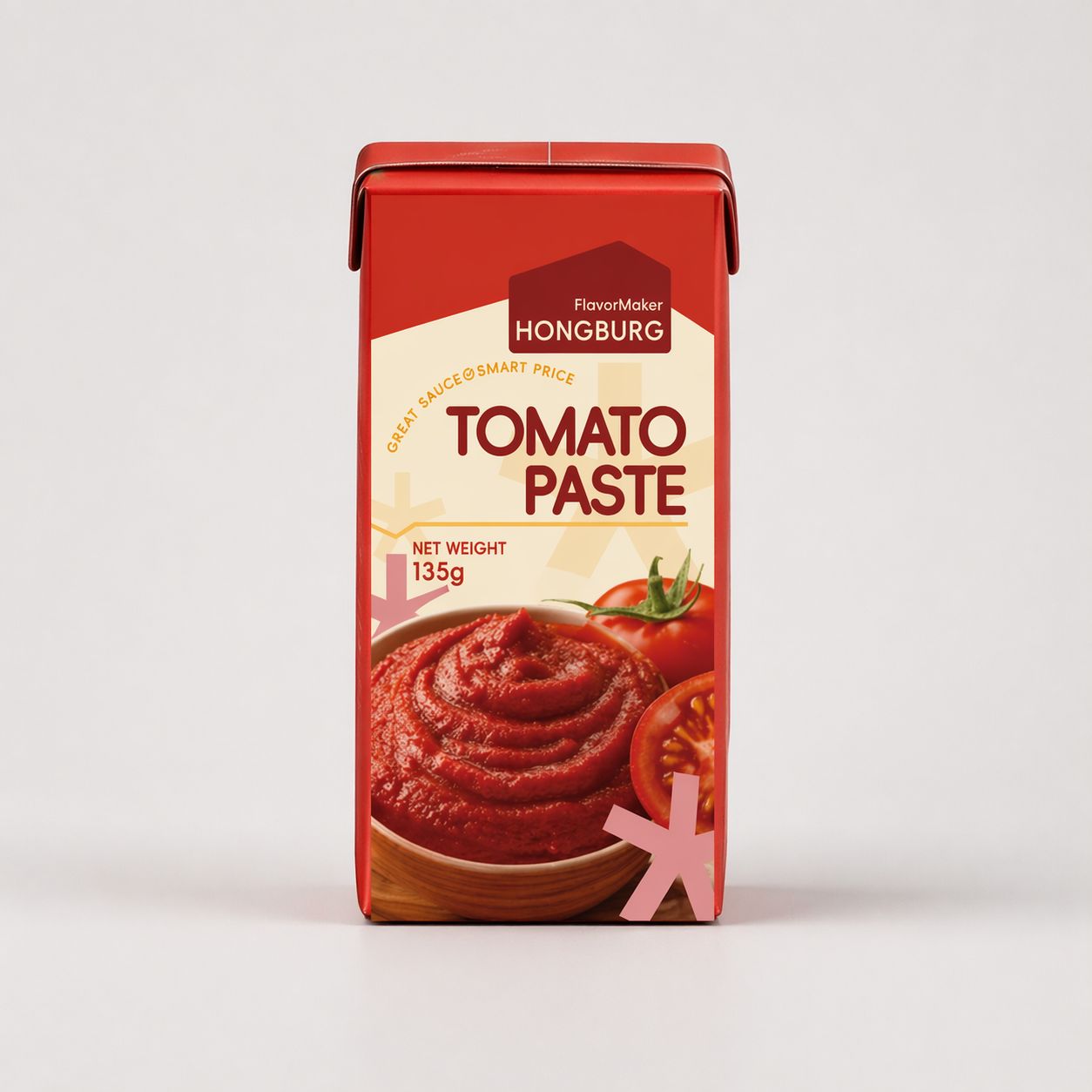
The trick is to cook down the tomato paste and harissa together over medium heat until they form a thick, almost jammy base. Let the mixture sizzle and deepen in color—this evaporates excess moisture while concentrating the smoky, slightly sweet heat of the peppers. A small splash of starchy pasta water is all you need to loosen it just enough to coat every strand, never turning the sauce into a watery pool at the bottom of the bowl.
Unlike using crushed tomatoes or passata, starting with paste gives you a sauce that grips the pasta instead of sliding off. The harissa adds a slow-building warmth and a hint of caraway that cuts through the richness, while a knob of cold butter stirred in at the end helps emulsify the mix into a glossy, clingy finish. You’ll notice the sauce hugs the ridges and curves of your noodles, leaving nothing behind.
For the best texture, don’t rush the initial blooming step. Let the tomato paste and harissa fry in olive oil until the raw edge disappears and the aroma turns deeply savory. Then add your pasta straight from the pot, along with a few spoonfuls of that cloudy cooking liquid. Toss vigorously off the heat—the friction helps the sauce tighten around the pasta, creating a concentrated coating that tastes far richer than its short ingredient list suggests.
Caramelized shallot and balsamic tomato paste for a jammy, almost spreadable texture
Slow, patient heat transforms the shallots into something almost jam-like on their own—until the balsamic tomato paste joins in. The paste reduces down with the shallots, losing its raw edge and taking on a dark, molasses-like sweetness that clings to the back of a spoon.
What you end up with is not quite a sauce, not quite a condiment. It sits between the two: soft enough to spread across grilled bread, thick enough to hold its shape when dolloped over roasted vegetables or folded into warm grains. A little vinegar keeps the sweetness from tipping into cloying, leaving a savory-tart finish that draws you back for another swipe.
Lemon zest and fresh oregano tomato paste that wakes up weeknight marinara
Most weeknight marinara tastes like it gave up somewhere between the can and the spoon. This version refuses to. A spoonful of tomato paste cranked hard with lemon zest and just-chopped oregano turns a sleepy red sauce into something that makes you pause mid-bite. The zest doesn't announce itself as citrus — it sharpens the tomato's natural sweetness, while the oregano brings a green, almost peppery lift that dried herbs can't fake.
Build the paste in the pan before anything else. Warm a little olive oil, drop in the tomato paste, and let it sizzle until it darkens a shade and smells like roasted tomatoes. Kill the heat, then stir in the lemon zest and oregano off the flame so their oils stay bright. This little puck of flavor goes in right after the garlic, and within a minute the whole kitchen stops feeling like a Tuesday.
The best part is how it forgives whatever pasta and protein you throw at it. Spaghetti with chickpeas, penne with sausage, a lonely box of rigatoni — the sauce carries the same backbone. Finish with a second whisper of zest at the table and watch people ask what you did differently. You didn't do much. You just woke the marinara up.
Miso-brown butter tomato paste for a savory depth that doesn't shout
This little paste works because it layers three quiet umami players instead of letting any one take over. The miso brings fermented roundness, the brown butter adds a nutty backbone, and tomato paste concentrates the whole thing into something that reads as deeply savory but not aggressive.
To make it, melt a few tablespoons of butter over medium heat and let it go until the milk solids turn amber and smell like toasted hazelnuts. Stir in a spoonful of tomato paste and cook it for a minute or two to tame the raw edge, then pull the pan off the heat and whisk in a smaller amount of white or red miso until it dissolves. The residual heat is enough to meld everything without killing the miso's live, complex character.
Use it wherever you want a quiet boost—swirl a spoonful into bean soups, lentil stews, or pan sauces for roasted meats. It also works rubbed onto vegetables before roasting, or thinned with a little stock as a finishing glaze. Because the flavors stay in the background, you can add it early or late without worrying about it shouting over the rest of the dish.
Cocoa and dried chili tomato paste for a mole-inspired slow-simmer
Building a mole from scratch can feel like chasing ghosts, but this cocoa and dried chili tomato paste anchors the whole slow-simmer in something real. Start by toasting the dried chilies just until they smell like warm earth and old smoke, then soak them until soft enough to crush into the tomato base. The cocoa goes in next, not as dessert but as a bitter, dark layer that folds into the paste like it was always meant to be there.
Let the paste sit for a few minutes after blending, so the tomato acid can pull the chili heat and cocoa tannins into a single ragged thread. When it hits the pot, scrape every last smear from the bowl because that's where the braise draws its weight. Dried chilies like ancho or guajillo work better than fresh here—they bring a depth that ripens over hours without turning sharp or metallic.
As the simmer creeps along, the paste doesn't just flavor the liquid; it thickens it into something closer to a working sauce. Fat from the meat breaks through in slow ribbons, turning the surface glossy and dark. Taste late, not early, because the cocoa and chili need time to stop arguing and start pulling in the same direction. If it feels thin, let it go longer. Mole rewards the patient and punishes the hasty.
FAQ
Try blooming a spoonful of tomato paste in the pan with smoked paprika and a pinch of cumin until it darkens slightly, then deglaze with a splash of red wine or broth. The paste caramelizes and picks up that charred, slow-cooked character without tasting artificial.
Absolutely. Whisk tomato paste into warm cream or coconut milk over low heat, then add grated Parmesan or nutritional yeast, a knob of butter, and a little pasta water. The paste gives the cream body and a concentrated tomato backbone that fresh tomatoes can't match.
Start with a tiny pinch of sugar or a grated carrot to round out acidity, then brighten it with a splash of balsamic or a squeeze of lemon at the end. Taste as you go—tomato paste is concentrated, so season in small steps rather than all at once.
Anchovy fillets, miso paste, or even a spoonful of harissa can push the umami and heat in surprising directions. Melt them into the oil before adding the tomato paste and you'll get layers of flavor that don't scream "pasta sauce" but work beautifully.
Cook it over medium heat, stirring constantly, just until it darkens a shade or two and smells sweet and toasty. Any longer or too hot and the sugars can burn, which brings an unpleasant bitterness that's hard to mask.
Definitely. Thin it with stock and use it as a braising liquid for chicken or beans, or mix it with yogurt and spices for a tangy flatbread spread. Its concentrated flavor makes it a fast base for shakshuka, chili, or even a slow-simmered barbecue glaze.
Whisk the paste with warm water or broth until it reaches a pourable consistency, then simmer with minced garlic, oregano, and olive oil for ten minutes. It won't have the slow-cooked complexity of a Sunday sauce, but it beats any jarred option and takes less time than boiling pasta.
Conclusion
Building a jar of tomato paste into something memorable starts with a willingness to mess with expectations. Fire-roasted paste, for example, turns a pantry staple into a smoky backbone when you fold in smoked salt and a spoonful of dark brown sugar—the sweetness doesn't read as dessert, it just rounds off the char. If you want heat that actually stays put on noodles, harissa-spiked paste is the move; the spice blend's oil-soluble compounds cling to starch in a way watery sauces never manage. On the other end of the spectrum, slowly caramelized shallots and a splash of balsamic reduce down to a jammy, almost spreadable paste that works as a condiment as much as a sauce starter.
Bright, weeknight-friendly options don't have to be boring. Lemon zest and fresh oregano added at the end wake up a basic marinara without turning it into a citrus bomb. For quieter depth, miso and brown butter stirred into paste deliver an umami hum that lingers without announcing itself. And if you're in the mood for slow-simmered complexity, cocoa and dried chili push tomato paste toward mole territory—dark, slightly bitter, and earthy, ideal for braises or chili. Each of these custom pastes keeps the tomato as the anchor, but the add-ins change the whole personality of whatever you cook next.
Contact Us
Contact Person: Peter Song
Email: [email protected]
Tel/WhatsApp: +86 18920189778
Website: https://www.hongburg.com