
Diesel Generator Supplier: Your Ultimate Guide to Reliable Power Solutions
2026-07-26
When the grid fails or your project runs beyond power lines, diesel generators become the quiet backbone of continuity. But not all suppliers are created equal—and choosing the wrong one can leave you with unmet expectations, delayed maintenance, or hidden costs. That’s where DINGBO POWER redefines reliability. From compact standby units to industrial-grade prime movers, we’ve engineered a lineup that balances tough performance with real-world efficiency. In this guide, we’ll walk you through what truly matters in a generator partnership, drawing on decades of field experience to help you sidestep common mistakes and find a power solution that fits your life, not just a spec sheet.
Understanding Your Power Needs Before Choosing a Supplier
Figuring out how much power you actually need isn’t just about looking at your latest electricity bill. It’s about taking a step back and thinking through your operations, your equipment, and where you see your business going. Are there peak times when your usage spikes? Do you have backup systems that kick in during outages? These aren’t just technical questions—they’re the difference between a supply arrangement that fits like a glove and one that leaves you scrambling when demand surges unexpectedly.
Too often, businesses only realize they’ve underestimated their needs when it’s already costing them money or disrupting operations. Perhaps you’ve added new machinery or expanded your facilities without revisiting your energy profile. A stroll through your own site can be eye-opening: talk to the people on the floor, look at the nameplates on motors, and note which processes run around the clock. That kind of firsthand insight gives you a realistic picture no spreadsheet can fully capture, and it arms you with the specifics to have meaningful conversations with potential suppliers rather than relying on generic estimates.
Beyond the immediate numbers, it’s worth considering how your energy habits might shift in the near future. Are you planning to electrify parts of your fleet, switch to more energy-intensive manufacturing, or install renewable generation on-site? Suppliers often structure contracts with assumptions about your usage pattern, and if those assumptions are off, you could face penalties or miss out on better terms. Laying out your current and anticipated demands clearly from the start doesn’t just prevent surprises—it puts you in a stronger position to negotiate a deal that actually matches the way you operate, not the other way around.
What Separates a Great Diesel Generator Supplier from the Rest
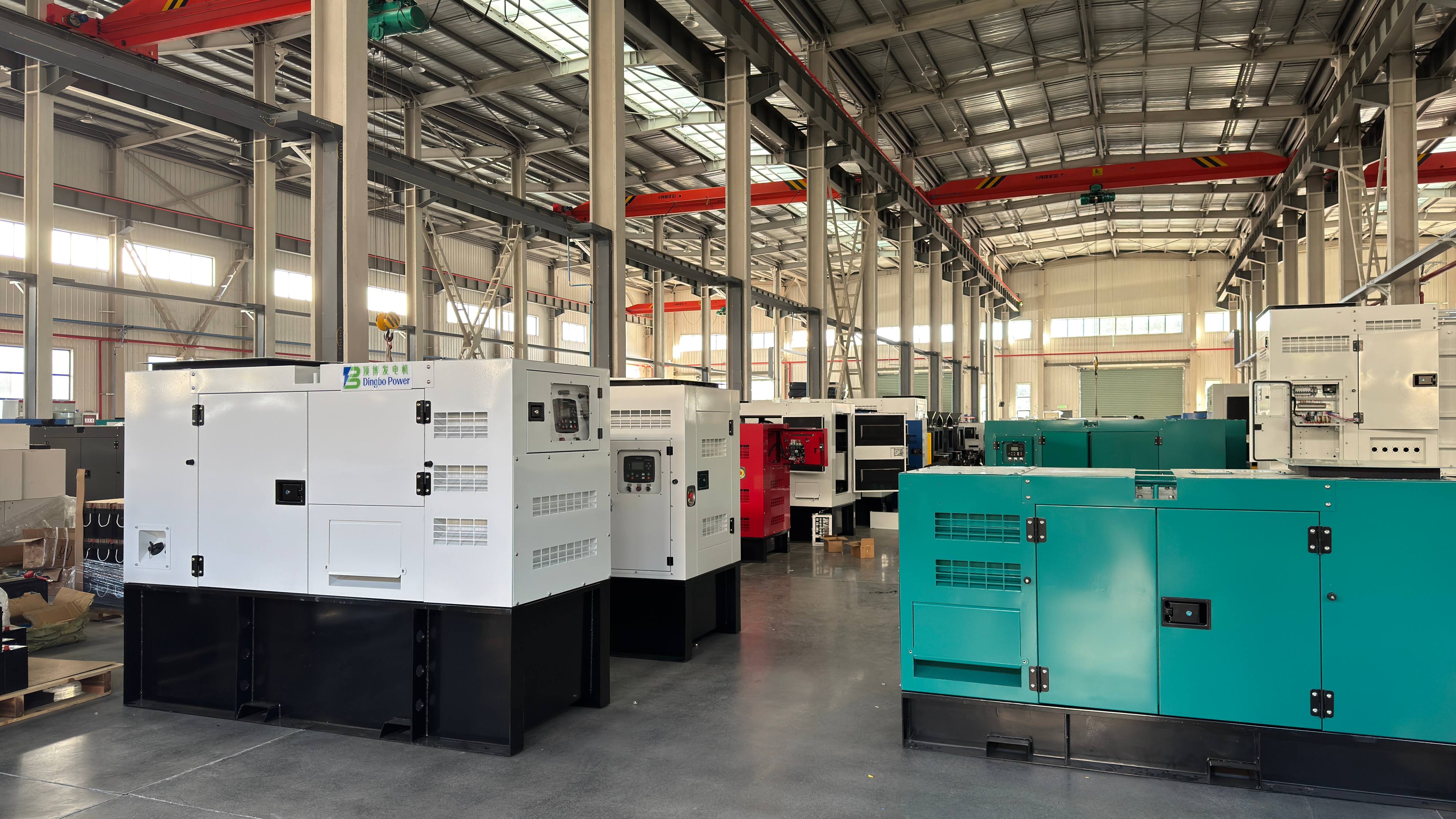
A great supplier goes beyond just selling equipment. They listen carefully, ask the right questions, and design a solution that fits your specific needs—not just push the model they have in stock. You can spot the difference in the way they handle pre-sales inquiries: detailed load calculations, site-specific recommendations, and honest advice about what you really need.
After-sales support often reveals the true character of a supplier. The best ones keep critical spare parts on hand, offer rapid on-site service, and have technicians who truly understand the machines. They don’t disappear once the invoice is paid. Instead, they reach out to check on performance, offer maintenance tips, and are genuinely easy to contact when things go wrong.
Experience and a solid track record in your industry matter. A supplier that has handled hospitals, data centers, or mining sites knows what uptime really means. They’ve engineered around the toughest challenges—extreme heat, remote locations, rugged usage—and can show you exactly how they’ll keep your operations running without a hitch.
Key Features to Look for in a Reliable Diesel Generator
A diesel generator's engine block is its heart, and not all are created equal. Look for a model with a heavy-duty cast iron block and cylinder liners that can be individually replaced. This design choice extends the engine’s lifespan significantly, because you can renew the wear surfaces without scrapping the entire block. An often-overlooked detail is the number of main bearings supporting the crankshaft—more bearings mean better vibration absorption and less metal fatigue over thousands of hours of operation.
The fuel system directly shapes reliability under varying loads. Mechanical fuel injection, as opposed to common-rail electronic systems, often proves more forgiving in remote areas where fuel quality can be inconsistent. You want a governor that reacts instantly to load changes, preventing voltage and frequency dips that damage sensitive equipment. Equally important is a cooling system designed for continuous duty—not just a radiator sized for intermittent use. Check whether the radiator has a large coolant reserve and a high-capacity fan that kicks in at low engine speeds, ensuring the generator won't overheat during an extended outage in summer heat.
Control panel simplicity is a feature that keeps you out of trouble. The best panels give you clear analog-style gauges for oil pressure, coolant temperature, and battery voltage, because a quick needle glance is more intuitive than scrolling through digital menus when something goes wrong. Automatic start and stop logic should include cooldown cycles to protect the turbocharger, and a weekly self-test mode so you catch a dead battery before you need the generator. Finally, pay attention to the base frame. A heavily braced steel skid with vibration isolators prevents the generator from walking across the floor and fatiguing the connections between the engine and the alternator. These practical details separate a generator that will be there when it counts from one that might let you down.
The True Cost of Ownership: Beyond the Initial Purchase
When you’re scanning price tags, it’s easy to fixate on that first number—the one that makes your wallet flinch or grin. But the real story starts after the transaction clears. A cheaper appliance might quietly drain your bank account through energy bills, while a pricier model sips electricity so gently you almost forget it’s there. The same logic applies to software subscriptions, where a low monthly fee often hides the expense of training, integration headaches, or clunky workflows that eat hours you’ll never get back. Ownership is a marathon, not a sprint, and the initial cost is just the shoe you’re tying at the start line.
Maintenance lurks like an uninvited guest—sometimes predictable, often not. A car isn’t just a set of wheels; it’s a relationship with oil changes, tire rotations, and the occasional midnight warning light that hijacks your plans and your budget. With tech gadgets, battery degradation and outdated operating systems turn shiny devices into paperweights faster than expected, nudging you toward premature upgrades. Even physical spaces—think homes or offices—whisper constant costs through repairs, utilities, and the time you spend coaxing aging systems to keep up with modern demands.
Then there’s the less tangible toll: the mental overhead. Every possession demands a slice of your attention, from remembering renewal dates to troubleshooting when things break. Over years, the sleekest purchase can become a burden disguised as a convenience. A wise buyer weighs these invisible threads before signing, because the sticker price is merely the overture. The full symphony—discordant notes and all—plays out across the lifetime you share with what you own.
Maintenance Tips to Extend Your Generator’s Life
Regular oil and filter changes are a simple but powerful habit that can dramatically prolong your generator’s life. Over time, oil breaks down and collects debris, which increases friction and heat inside the engine. Swap both the oil and filter according to the manufacturer’s schedule—or even more often if you’re running the unit in dusty or extreme conditions. This small routine prevents costly internal wear and keeps everything running cooler and smoother.
Don’t overlook the fuel system when thinking about longevity. Stale fuel is a common culprit behind hard starts and gummed-up carburetors. If your generator sits idle for weeks, add a quality fuel stabilizer to the tank and run the engine long enough for it to circulate. For seasonal storage, drain the carburetor or run it dry. Also, inspect fuel lines and the tank for cracks or moisture buildup—catching these early avoids bigger headaches later.
Battery and electrical connections need consistent attention, especially if your generator is used infrequently. Corrosion on terminals can cause starting failures when you least expect it. Clean the posts with a wire brush and apply a protective spray to ward off future buildup. Keep the battery charged with a trickle charger during long idle periods, and test the voltage before relying on it. A few minutes of preventive care here can mean the difference between instant power and a dead unit during an outage.
Real-World Applications Where Diesel Generators Shine
When the power grid goes down in a storm or under peak demand, diesel generators become the backbone of critical services. Hospitals rely on them to keep life-saving equipment running, while data centers depend on that immediate kick-in to prevent service blackouts that could cost millions per minute. Airports and seaports also lean heavily on diesel gensets for runway lighting, control towers, and cargo handling—any scenario where even a few seconds of outage isn’t acceptable.
Beyond backup, diesel generators dominate in places where grid power is simply unavailable or unreliable. Remote mining operations, offshore oil rigs, and isolated construction sites all tap diesel power for their high energy density and durability in harsh conditions. Agricultural operations, especially in rural areas, often use them to pump water or run equipment during critical seasons, where consistent electricity can make or break an entire harvest.
Event organizers and film crews also turn to diesel gen-sets for their portability and sheer output when staging large concerts or on-location shoots far from electrical outlets. Military field operations prize them for ruggedness and ability to run on varying fuel qualities, while telecom tower operators deploy diesel units to keep connectivity alive in off-grid regions. The common thread? Reliability, immediate power delivery, and the muscle to handle demanding loads without flinching.
FAQ
Beyond just pricing and product range, pay attention to how they handle after-sales support. A solid supplier offers clear warranties, readily available spare parts, and technicians who know their equipment inside out. Ask for references from businesses similar to yours—past performance speaks volumes.
Reliability comes down to build quality, engine reputation, and regular upkeep. Look for generators with robust cooling systems, durable alternators, and a proven engine brand. Maintenance logs and user testimonials can give you a real-world sense of how the unit holds up under constant load.
Standby units are meant for emergency backup, running only occasionally during outages. Prime generators are built for ongoing, variable load use—think off-grid sites or remote operations. The engine, cooling, and fuel system are engineered differently for each, so match the rating to your actual runtime needs.
Absolutely, and that’s where a good supplier stands out. They should assess your site’s load profile, voltage requirements, and environmental conditions before recommending a setup. Customizations might include soundproof enclosures, remote monitoring, auto-transfer switches, or even paralleling multiple units for larger demands.
Typically, after every 200–400 hours of operation or annually, whichever comes first. But dusty or extreme conditions can shorten that. Many suppliers offer service contracts that include routine checks, oil changes, filter replacements, and load testing—definitely worth asking about before you commit.
Not really. Modern engines with electronic fuel injection and optimized combustion can use noticeably less diesel. Check the fuel consumption at 75% load—this gives a practical comparison. A knowledgeable supplier will explain trade-offs between upfront cost and long-term fuel savings.
Shipping, installation, exhaust routing, fuel storage, and eventual decommissioning all add up. Plus, if your location has strict noise or emissions rules, you might need additional mufflers or filters. A reliable supplier lays all this out upfront rather than surprising you later.
Insist on a detailed load analysis before purchase. That means calculating both running and starting wattage for all critical equipment. A responsible supplier will either help with the math or point you toward a certified electrician to avoid undersizing—or oversizing—your investment.
Conclusion
Choosing a diesel generator supplier isn't just about horsepower and price tags; it's about securing a partner who understands that power failures don't send calendar invites. A sharp assessment of your actual load profile, peak demands, and even future expansion plans should drive the conversation long before you compare spec sheets. The best suppliers ask questions that make you rethink your own assumptions: Are you overbuilding for occasional surges, or dangerously under-sizing for your facility's hidden motor startup loads? They don't just sell iron—they help you map out duty cycles, ambient conditions, and the real consequence of even minor voltage flicker. This consultative approach often separates a transactional vendor from a genuine reliability ally.
What lingers after the sale matters just as much. The finest suppliers push past glossy brochures and highlight total lifecycle costs: fuel consumption at partial load, coolant system longevity, and how bearing designs influence oil-change intervals. They'll insist on concrete maintenance training instead of handing over a generic manual, knowing that a neglected air filter today becomes a scored cylinder wall tomorrow. In the field, their generators prove themselves not in perfect test bays but in the messy real world—keeping an off-grid clinic's vaccines cold during monsoon seasons or letting a remote mine keep its dewatering pumps alive when utility lines are down. Finding this kind of supplier means valuing transparency over salesmanship, and realizing that the real product isn't a machine, but the peace of mind that comes from power that simply never goes away when it matters most.
Contact Us
Contact Person: Rita
Email: [email protected]
Tel/WhatsApp: +8613481024441
Website: https://www.dbdieselgenerator.com/