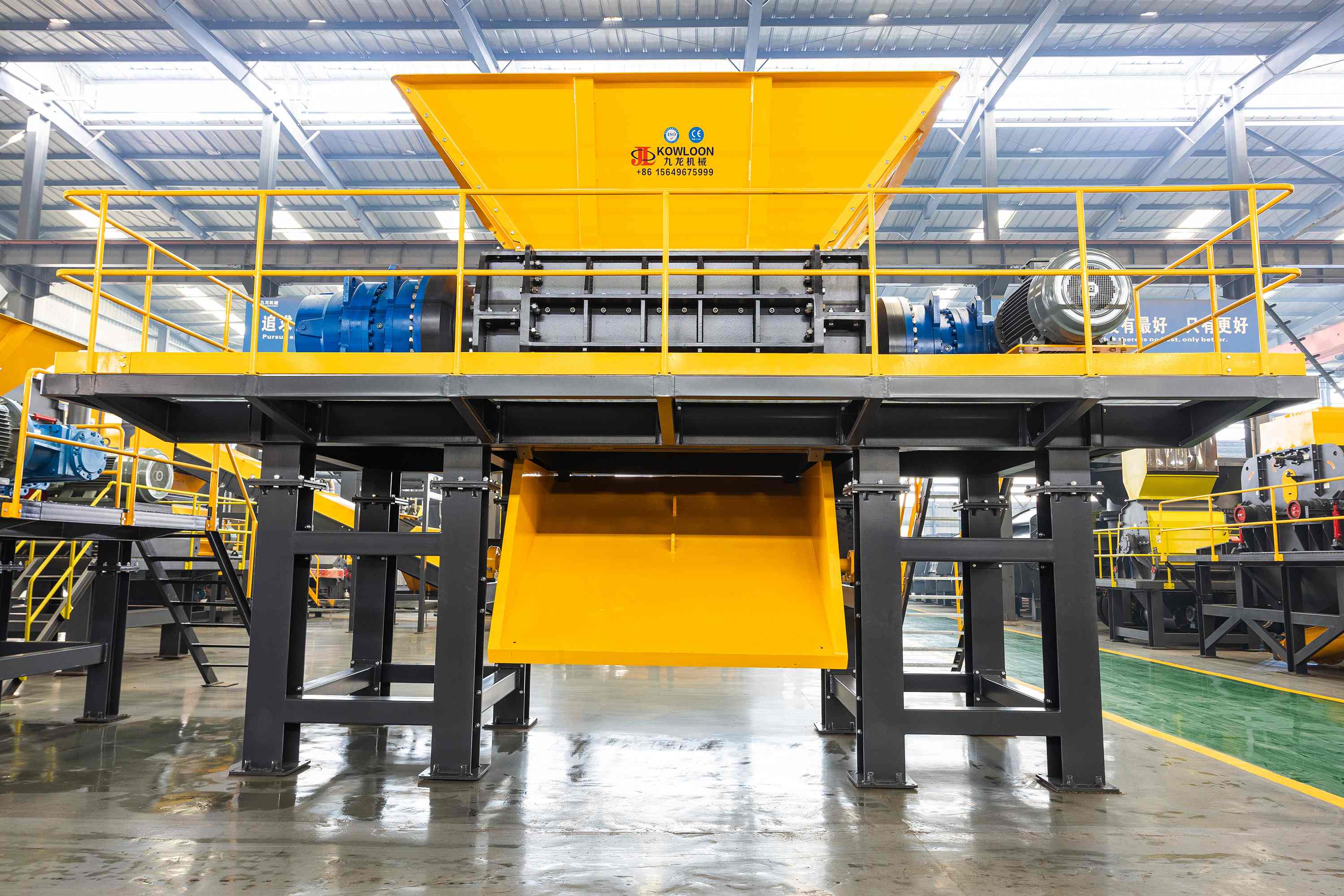

Double Shaft Shredder: A New Type for Efficient Waste Reduction Solutions
2026-03-23
In the ever-evolving landscape of industrial machinery, innovation often arrives in the form of a single, transformative piece of equipment. Today, we're excited to delve into the 'Double Shhaft Shredder,' a cutting-edge solution that is redefining efficiency in waste reduction. As environmental concerns and operational costs continue to drive demand for smarter, more robust systems, this new type of shredder emerges as a game-changer. Kowloon Machinery is at the forefront of this revolution, leveraging decades of expertise to engineer shredders that not only handle diverse materials with precision but also set new benchmarks for durability and performance. What makes the Double Shaft Shredder so uniquely effective, and how can it streamline your waste management processes? Let's explore its innovative features and real-world applications, and discover why it's quickly becoming the go-to choice for industries worldwide.
Revolutionizing Waste Management with Double Shaft Shredder Technology
In today's fast-paced industrial and municipal environments, managing waste efficiently is more critical than ever. Double shaft shredder technology is at the forefront of this effort, offering a robust solution that transforms large, bulky materials into manageable sizes. Unlike single-shaft models, the dual-shaft design increases torque and reduces jamming, allowing for a wider variety of inputs—from plastics and metals to wood and electronic waste. This not only speeds up processing times but also enhances material recovery rates, paving the way for more sustainable recycling practices and reducing landfill dependency.
The versatility of double shaft shredders extends beyond typical industrial applications, making them indispensable in sectors like construction, agriculture, and waste-to-energy plants. By handling tough materials with ease, these machines minimize downtime and maintenance costs, providing a cost-effective alternative to traditional shredding methods. Moreover, their ability to produce uniform output sizes facilitates downstream sorting and processing, which is essential for maximizing resource value and supporting circular economy initiatives. This adaptability positions them as a key tool in modern waste management strategies, driving innovation and operational efficiency across diverse settings.
Looking ahead, the continued evolution of double shaft shredder technology promises even greater advancements in waste reduction and sustainability. With integrations like smart sensors and automated controls, these systems are becoming more intelligent, enabling real-time monitoring and optimization to further cut energy consumption and environmental impact. By revolutionizing how we approach waste streams, this technology not only addresses current challenges but also lays a foundation for a cleaner, more resource-efficient future, where waste is viewed not as a problem but as a valuable asset to be harnessed.
Key Features and Design Innovations of Modern Shredders
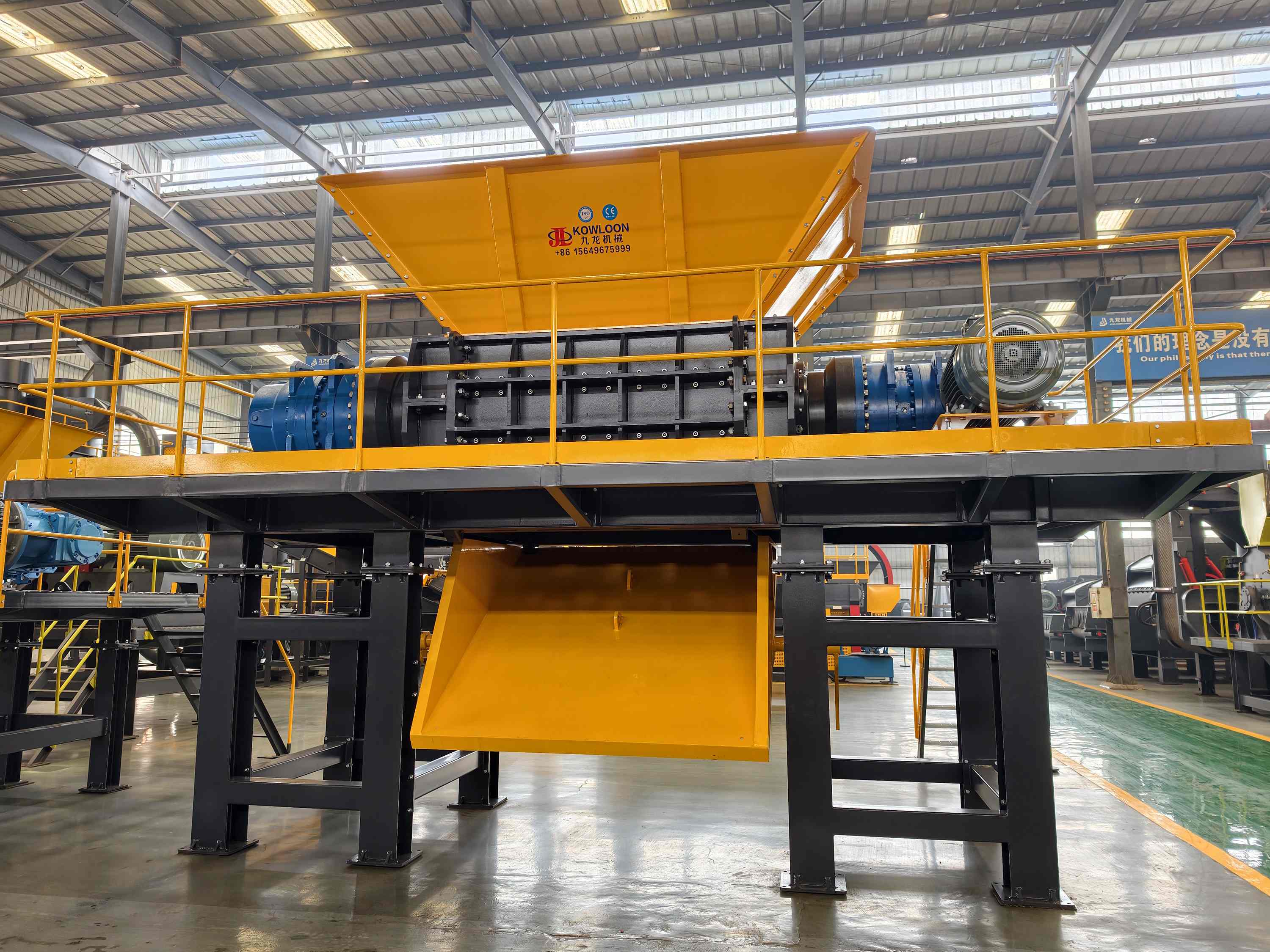
Modern shredders have evolved far beyond their basic paper-cutting origins, now boasting smart sensors that automatically adjust shredding speed based on material thickness. These sensors prevent jams and enhance durability, while energy-efficient motors reduce power consumption without compromising performance. Some models even include self-cleaning mechanisms to minimize maintenance, making them more user-friendly and reliable in high-volume office settings.
Design innovations focus on aesthetics and practicality, with sleek, compact builds that fit seamlessly into modern workspaces. Many shredders incorporate noise-reduction technology, operating quietly to avoid disruptions. Enhanced safety features, such as automatic shut-off when the bin is full or the lid is opened, provide peace of mind. Additionally, cross-cut and micro-cut options offer superior security compared to traditional strip-cut models, ensuring sensitive documents are thoroughly destroyed.
Advanced shredders now support shredding of diverse materials beyond paper, including credit cards, CDs, and staples, thanks to reinforced cutting heads. Wireless connectivity allows remote control via apps, enabling users to start or monitor shredding from their smartphones. These features not only improve efficiency but also cater to evolving security needs in both home and professional environments, positioning modern shredders as essential tools for data protection.
Enhancing Efficiency in Recycling and Waste Reduction Processes
Implementing advanced technologies like smart sensors and AI-driven sorting systems can dramatically boost efficiency in recycling and waste reduction. These tools enable real-time monitoring of waste streams, allowing facilities to identify and separate materials more accurately and quickly, reducing contamination and maximizing resource recovery. By automating tedious tasks, organizations can cut down on labor costs and operational delays, creating a smoother, more responsive process that adapts to fluctuating waste volumes and types.
Beyond technology, fostering a culture of innovation and collaboration among stakeholders—from government agencies to local communities—plays a crucial role in enhancing these processes. Initiatives such as public education campaigns and incentive programs for proper waste segregation at the source can significantly reduce the amount of non-recyclable materials entering recycling streams. This proactive approach not only lightens the load on sorting facilities but also encourages sustainable habits that contribute to long-term waste reduction goals, making the entire system more resilient and effective.
Integrating circular economy principles into waste management strategies offers a holistic path to greater efficiency. By designing products for durability and recyclability, businesses can minimize waste generation from the outset, while partnerships between manufacturers and recyclers can streamline material recovery. These efforts close the loop on resource use, reducing reliance on raw materials and cutting down on environmental impact, ultimately leading to a more sustainable and economically viable waste reduction framework.
Applications Across Industries from Manufacturing to Municipal Waste
In manufacturing, advanced technologies like IoT sensors and AI-driven analytics are revolutionizing production lines, enabling predictive maintenance that slashes downtime and boosts efficiency. Beyond the factory floor, these innovations extend to supply chain optimization, where real-time data tracking improves inventory management and reduces waste, creating more agile and responsive businesses.
Municipal waste management is seeing a similar transformation, with smart bins and processing systems that sort materials automatically, diverting more recyclables from landfills. Cities are adopting these solutions to cut environmental impact and operational costs, turning waste into valuable resources through energy recovery and circular economy models.
Bridging these sectors, shared principles of automation and sustainability drive cross-industry collaboration, allowing knowledge and tools to adapt seamlessly from manufacturing floors to urban infrastructures, fostering a more connected and efficient global ecosystem.
Safety and Durability Advantages in Heavy-Duty Operations
In the demanding world of heavy-duty operations, equipment must withstand extreme conditions while ensuring user safety. Advanced materials like high-strength steel and composite alloys are increasingly used to enhance structural integrity, reducing risks of failure under intense loads. For instance, reinforced chassis in construction machinery can handle constant vibrations and impacts, significantly lowering the chance of accidents. Safety features such as automatic shut-off systems and ergonomic controls further protect operators from fatigue and hazards, making these tools not only robust but also user-friendly in high-stress environments.
Durability isn't just about lasting longer; it's about performing reliably day in and day out. Heavy-duty vehicles and machinery often face harsh weather, rough terrain, and prolonged use, which can quickly degrade lesser materials. By incorporating corrosion-resistant coatings and wear-resistant components, manufacturers extend service life and minimize downtime. This translates to lower maintenance costs and fewer unexpected breakdowns, ensuring operations run smoothly without compromising safety. In sectors like mining or logistics, where every minute counts, such resilience directly boosts productivity and overall project success.
Beyond individual components, integrated design approaches play a key role in maximizing safety and durability. Many modern heavy-duty systems feature modular constructions that allow for easier repairs and upgrades, reducing long-term operational risks. Additionally, rigorous testing protocols, including load simulations and environmental exposure trials, ensure equipment meets stringent standards before deployment. This proactive stance not only enhances durability but also builds trust among users, as they can rely on their tools to perform safely under the toughest conditions, ultimately fostering a culture of reliability in industrial settings.
Future Trends and Environmental Impact of Advanced Shredding Systems
Looking ahead, advanced shredding systems are poised to become more intelligent and interconnected. Future trends include the integration of artificial intelligence for real-time material analysis, allowing these machines to automatically adjust settings based on what's being shredded, whether it's paper, plastic, or electronic waste. This not only enhances efficiency but also reduces human intervention and error. Additionally, the rise of the Internet of Things (IoT) will enable remote monitoring and predictive maintenance, ensuring that systems operate optimally and minimize downtime, thereby supporting more sustainable industrial processes.
From an environmental perspective, these innovations are set to significantly reduce the carbon footprint of waste management. Advanced shredders with optimized energy consumption and the ability to process materials into finer, more recyclable outputs can lower landfill contributions and promote circular economy principles. By shredding materials more precisely, they facilitate better sorting and recycling, which in turn conserves natural resources and reduces greenhouse gas emissions associated with raw material extraction and manufacturing.
Furthermore, addressing the environmental impact, future shredding systems are likely to incorporate eco-friendly features such as noise reduction technologies and the use of biodegradable lubricants. This helps mitigate noise pollution and chemical runoff, making them more suitable for urban and sensitive environments. As regulations tighten and public awareness grows, these systems will play a crucial role in aligning industrial shredding practices with global sustainability goals, ultimately fostering a cleaner, greener future.
FAQ
A double shaft shredder uses two interlocking shafts with cutting teeth to tear and shred materials, offering higher torque and efficiency compared to single-shaft models, which often struggle with tougher waste.
It excels at handling diverse, bulky items like plastics, wood, and metals, reducing volume significantly and improving recycling workflows by producing uniform shreds that are easier to process downstream.
These shredders are versatile, capable of managing industrial scrap, electronic waste, tires, and even organic matter, making them suitable for sectors from manufacturing to municipal waste management.
The dual-shaft system allows for continuous feeding and shredding with minimal jamming, as the rotating shafts pull materials in and shear them apart, reducing downtime and maintenance needs.
Users should monitor for wear on cutting blades and ensure proper material sizing to avoid overloading, but models with adjustable speeds and automated controls can mitigate many common issues.
Its ability to combine high throughput with robust construction addresses gaps in older technologies, offering a scalable option that adapts to evolving waste streams and sustainability goals.
Regular inspections of blades, lubrication of components, and cleaning of debris are key to longevity, with some designs featuring easy-access panels to simplify upkeep without professional assistance.
By efficiently reducing waste volume, it lowers transportation costs and landfill use, while the shredded output can be repurposed for recycling or energy recovery, aligning with circular economy principles.
Conclusion
The Double Shaft Shredder represents a significant advancement in waste management technology, revolutionizing the field by offering an efficient and robust solution for waste reduction. By integrating dual rotating shafts with intermeshing cutters, this design enhances shredding performance across various materials, from industrial scrap to municipal solid waste. Innovations such as low-speed, high-torque operation and advanced control systems ensure consistent processing while minimizing energy consumption. These features contribute directly to improving recycling efficiency, as shredded materials are more easily sorted and repurposed, thereby supporting circular economy goals.
Applications of double shaft shredders span diverse industries, including manufacturing, construction, and waste management, where they handle heavy-duty operations with notable safety and durability benefits. Enhanced safety mechanisms and durable construction materials reduce downtime and maintenance costs, making them a reliable choice for continuous use. Looking ahead, the environmental impact of these advanced systems is poised to grow, with trends focusing on reducing emissions and increasing automation. This positions double shaft shredders as pivotal tools in sustainable waste reduction strategies, offering long-term solutions that align with global environmental objectives.
Contact Us
Contact Person: Ray
Email: [email protected]
Tel/WhatsApp: +86 13733817580
Website: https://www.zzkowloon.com/