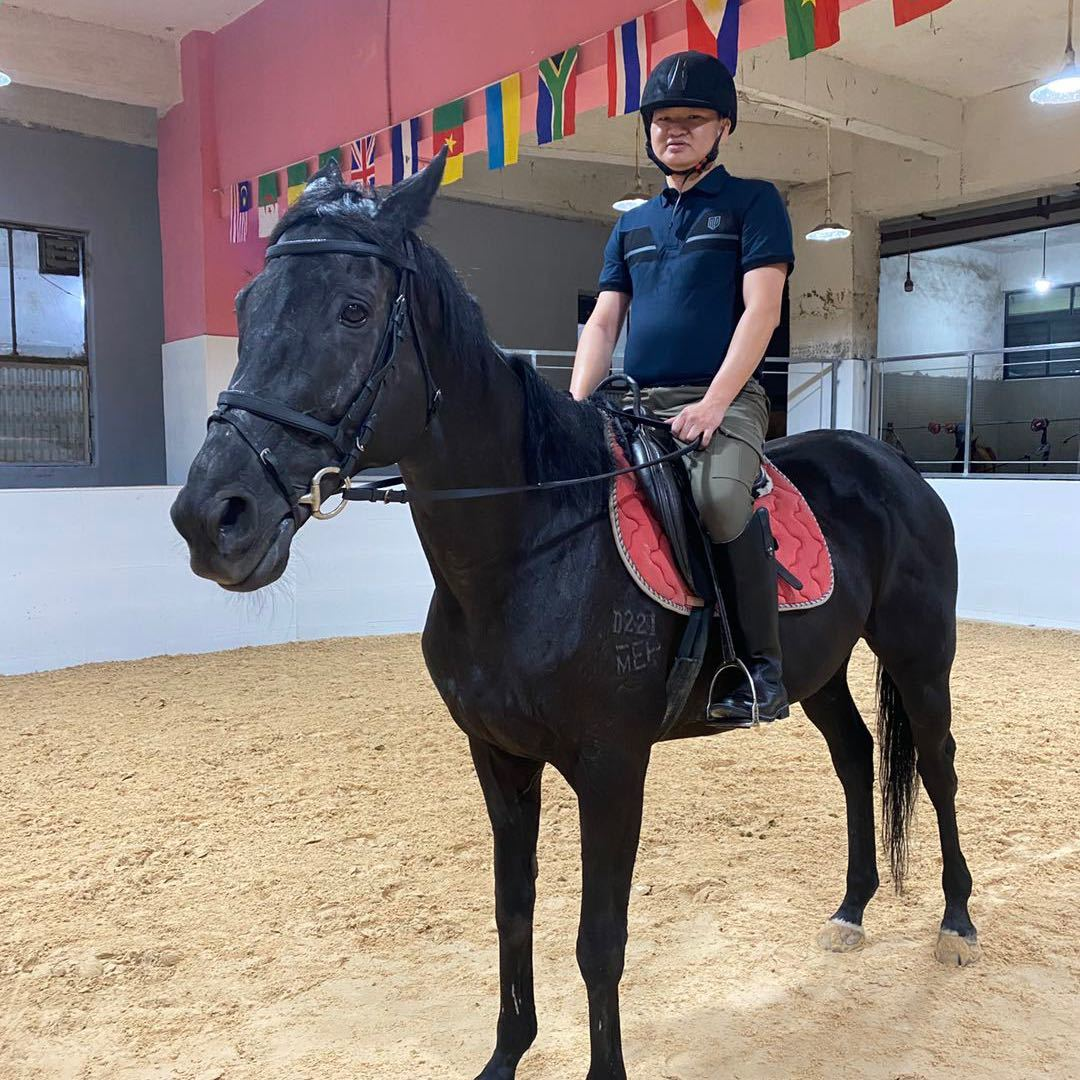

Equestrian Jodhpurs Company Redefining Riding Fashion with Innovative Designs
2026-06-16
Riding fashion is long overdue for a revolution, and OpeEquestrian is leading the charge with jodhpurs that defy convention. Think sleek silhouettes, high-performance fabrics, and details that catch the eye—whether you're in the saddle or on the street. This isn't just an upgrade; it's a complete reimagining of what equestrian style can be.
Where Heritage Meets Disruption in Riding Apparel
For decades, riding apparel clung to a well-worn script: wool hacking jackets, starched white shirts, and breeches in muted tones. These weren’t just clothes; they were emblems of a lineage, stitched with the memory of long gallops across country estates and the quiet authority of the schooling ring. The cut was rigid, the materials unforgiving, but they carried a sense of purpose that connected rider to horse across generations.
Then came the disruptors—a wave of small, rider-founded labels that looked at tradition and asked, “Why not better?” They moved seams to reduce friction, swapped heavy wool for abrasion-resistant softshell fabrics, and introduced colors that echoed real landscapes rather than club ties. One brand even embedded ceramic particles into the seat of their breeches for grip, leaving the sticky silicone patches of the past looking clumsy. Sustainability, too, rewrote the rulebook: jackets made from recycled ocean plastics now line the same show arenas where tweed once reigned supreme.
As a result, the modern equestrian no longer has to choose between heritage and performance. A pair of polished leather tall boots might now house a shock-absorbing carbon sole, while a classic show coat could contain hidden ventilation panels that open on a warm-up’s first sweat. The hallmarks remain—the whisper of tradition in a buttoned cuff, the silhouette that honors the sport’s past—but they’ve been reengineered from the inside out. It’s riding apparel that respects where it came from, just not enough to stay there.
Reimagining the Jodhpur Silhouette for Today’s Arena
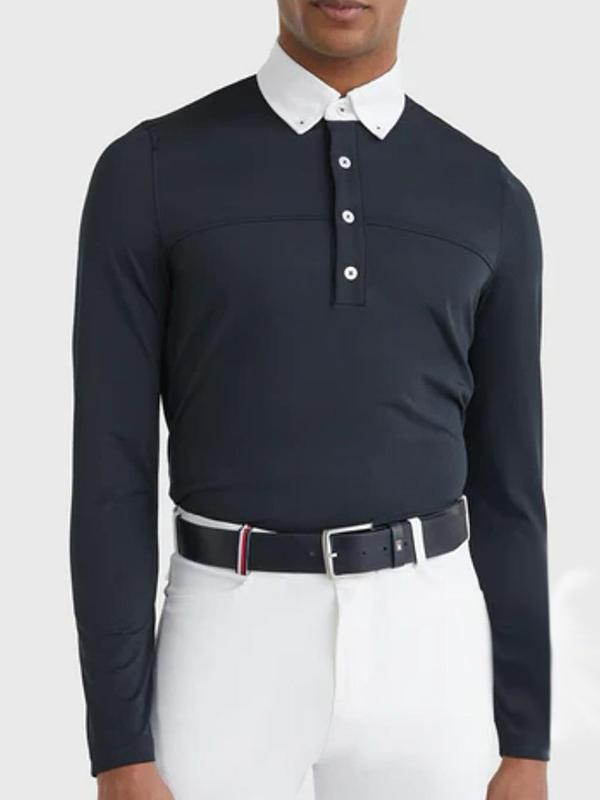
The Jodhpur silhouette—with its snug fit through the hip and thigh, flaring gently at the calf—has long been a symbol of equestrian elegance. To bring it into the modern arena, we’ve dissolved the rigid formality that once defined it. Instead of heavy wool and stiff tailoring, lightweight fluid fabrics now move with the body, creating a softened drape that retains the iconic shape without constriction. The result is a garment that feels as dynamic as the rider wearing it, whether in the saddle or on the street.
Color has been rethought to push this classic beyond tradition. Muted dust tones inspired by the Rajasthan landscape—think faded rose, sun-bleached ochre, and smoky indigo—replace the stark whites and creams of yesteryear. These hues anchor the style in a contemporary palette, making it versatile enough for layered city looks. A subtle sheen in the fabric catches the light, hinting at performance without screaming sportswear. The silhouette now adapts to any context, from a gallery opening to a weekend escape.
Detailing is where the reinvention truly comes alive. Hidden zip closures and magnetic fastenings erase the bulk of traditional buttons, streamlining the profile. Front pleats, once purely functional for riding, are now sculpted with an almost architectural precision, adding depth without volume. A slim leather belt, hand-stitched with a faint metallic thread, cinches the waist in a nod to its heritage but with a decidedly modern edge. This isn’t just an update—it’s a reimagining that respects the past while striding confidently into today’s arena.
Tech-Infused Fabrics That Move With the Horse and Rider
The fabric isn't just a passive layer; it's designed to respond in real time to the shifting dynamics between horse and rider. As the horse moves, micro-elastic threads woven into the material adjust their tension, creating a subtle give-and-take that mirrors natural motion. This reduces friction points that often lead to discomfort during long rides, while still maintaining enough structure to support proper posture.
What sets these textiles apart is how they handle temperature and moisture without adding bulk. Tiny heat-dispersing nodes activate when body heat rises, pulling warmth away from the skin, then storing it within the fiber matrix if the temperature drops. Along the same lines, the weave contracts slightly in damp conditions to prevent chafing, but relaxes as it dries—almost as if the garment itself is breathing with you.
Durability hasn't been sacrificed for high-tech features. The bonded seams are laid out in pathways that follow the rider's typical pressure zones, so the material holds its shape even after repeated wear across seasons. There's no stiff break-in period either; the fabric has a memory-like quality that forms to the rider's seat bones from the very first use, making it feel like a trusted piece of equipment rather than something fresh off the rack.
Discreet Luxury Details That Only True Equestrians Notice
The true test of a rider's eye often lies in the subtleties of their kit. Take, for instance, the seamless integration of a zipper on a custom pair of field boots. Instead of a clunky, visible zipper guard, a master bootmaker will set the closure so gently that it disappears into the leather, forming a continuous, unbroken line from calf to ankle. Only those who have spent years in the saddle recognize this as a mark of bespoke quality—a quiet luxury that whispers rather than shouts.
Beyond the leather, the metal components tell their own story. The weight and finish of a bridle's buckles can separate the mass-produced from the meticulously crafted. A true equestrian notices when a bit has been hand-forged with a slight curve that promotes a softer mouthfeel for the horse, and when the stainless steel has a warmth to its sheen—indicating a higher nickel content that resists pitting. These are details you won't find in a catalog, only in the practiced glance of someone who values the horse's comfort as much as the aesthetic.
Then there is the tailoring of the show coat, where the true luxury hides in the construction. A discreet, deep vent in the back might be reinforced with a hidden silk panel that allows it to drape effortlessly in the saddle. Buttons, often overlooked, are a dead giveaway: genuine horn buttons, slightly irregular in their natural coloring, versus the uniform, plastic ones that can't replicate the same depth. You'll spot a knowledgeable equestrian by the way they instinctively check the stitching on the inside of the collar—double-needle work that promises durability through countless seasons. These are the unspoken signals of refined taste in the equestrian world.
Sustainable Craft Without Sacrificing Saddle Grip
Finding a saddle that aligns with environmental values without losing that dependable hold can feel like searching for a unicorn. Many eco-friendly materials look promising but fall short when you're leaning into a sharp turn or powering through a steep climb. The key sits in how the cover and base are engineered together. Innovative plant-based leathers and recycled microfiber blends are now molded with grip patterns that mimic traditional suede, giving you the confidence to stay planted while keeping your bike's footprint light.
The real magic happens in the bonding process. Rather than relying on solvent-heavy adhesives that compromise both texture and the planet, some workshops are using water-based lamination and pressure-formed cushion layers. This not only anchors the cover securely but maintains a consistent friction coefficient across the saddle's surface. The result is a hold that adapts to your movement without the harsh chemicals, meaning fewer mid-ride adjustments and a cleaner conscience.
Durability often gets overlooked in the sustainability conversation, but a saddle that wears out after one season isn't truly green. By integrating reinforced stitching along high-wear zones and a closed-cell foam that resists compression, these designs extend their lifespan significantly. That grip you love stays intact ride after ride, season after season, proving that you don't have to choose between a secure seat and leaving things better than you found them.
A Fit Philosophy That Rejects the One-Size-Fits-All Myth
Most fitness advice still pretends we’re all built from the same blueprint—same metabolism, same joint structure, same relationship with sweat. It’s a lazy assumption, and it leaves countless people feeling broken when a popular program doesn’t deliver. Your body doesn’t care what worked for your neighbor or that influencer. It responds to stress, recovery, and movement patterns that actually match its own story—past injuries, daily habits, even how you handle boredom during a workout.
A smarter approach treats fitness as a conversation, not a command. It means ditching the guilt when a prescribed “leg day” leaves your knees angry, or when early morning runs wreck your energy instead of boosting it. Instead of forcing yourself into a mold, you learn to read the signals: do you need more mobility work before loading a barbell? Does your mind crave the rhythm of a long walk over interval sprints? This kind of flexibility doesn’t just reduce injury—it builds a baseline of respect for the unique machine you’re piloting. Over time, that respect translates into consistency that no rigid plan can match.
FAQ
The founders noticed a gap between traditional riding attire and modern fashion needs. While many equestrian brands stuck to rigid, outdated designs, they saw an opportunity to blend performance with contemporary style. After speaking with riders who craved more flexibility and aesthetics, they set out to create jodhpurs that feel like a second skin and turn heads both in and out of the saddle.
Instead of relying on heavy, non-stretch fabrics, we use advanced technical materials that offer four-way stretch, moisture-wicking, and breathability. The cut is anatomically sculpted to move with the rider, eliminating bunching under boots. We also incorporate subtle fashion elements like contrast stitching, sleek pockets, and colorways inspired by street style, so they work equally well for a coffee run after the barn.
One key innovation is our grip system—a seamless, silicone-free knee patch that provides stability without bulk. We added hidden ankle zippers for easy on-off over paddock boots, and a high-rise waistband with a no-roll silicone strip. The fabric is also treated to repel light dirt and water, all while maintaining a buttery soft feel against the skin.
Both. Our jodhpurs are engineered for performance, so professional riders appreciate the compression and durability during long training sessions. But we also design for the everyday equestrian who values comfort and style, whether they're mucking stalls, hacking out, or simply enjoying a day around horses. The versatility is intentional.
We start with rider feedback. Every seam, pocket, and panel is tested in real barn conditions. Fashion elements never compromise function—for example, our tailored look comes from precise pattern making, not just decorative add-ons. We also offer fits that flatter various body types without restricting movement, proving that technical gear doesn't have to look industrial.
A big part of our redefinition is responsibility. We source eco-conscious fabrics like recycled nylon and organic cotton blends, and our packaging is plastic-free. We also partner with a manufacturing facility that runs on renewable energy and ensures fair labor practices. It's not just about looking good—it's feeling good about what you're wearing.
We're exploring smart textiles that can monitor muscle engagement and posture, giving riders real-time feedback via a subtle haptic response in the waistband. Beyond that, we're expanding into a full capsule collection that maintains the same rider-centric ethos, including tops and outerwear that layer perfectly and still perform in the saddle.
Conclusion
There’s a quiet revolution happening in the show ring, and it’s stitched into every seam of the Equestrian Jodhpurs Company’s latest collection. By refusing to treat heritage as a straitjacket, the brand reinterprets classic riding apparel with a disruptive eye—modernizing the jodhpur silhouette without losing its storied elegance. The result is a fit that actually honors the rider’s body, rejecting the archaic one-size-fits-all myth in favor of patterns sculpted for real movement in and out of the saddle. It’s tailoring that understands the biomechanics of a posting trot, not just runway aesthetics.
Beneath the refined exterior, tech-infused fabrics quietly perform: moisture-wicking, four-way stretch, and a grip that holds firm against the saddle yet never restricts. These materials move as a second skin, syncing with horse and rider in fluid unison. And it’s the discreet details that truly set the collection apart—tone-on-tone stitching, hidden phone pockets, and subtle reinforced panels that only a seasoned equestrian would clock. Sustainability isn’t a buzzword here; it’s woven into the process through eco-conscious dyes and durable, waste-reducing construction, proving that high performance and environmental care can ride side by side. This is jodhpur design elevated to an art form—one that both honors tradition and gallops boldly forward.
Contact Us
Contact Person: Keven Tong
Email: [email protected]
Tel/WhatsApp: +86 18666477707
Website: https://www.ope-technology.com