

Flame Resistant Shirts: How They Protect You and What to Look For
2026-07-15
When a flash fire or arc flash strikes, your shirt becomes your first line of defense—but only if it's built to resist. Flame resistant fabrics are engineered to stop burning the instant the heat source disappears, giving you precious seconds to escape. Yet, not every FR shirt offers the same level of protection, comfort, or durability. Understanding how these garments work and what separates a reliable shield from a false sense of security is critical. At DROTEX, we blend advanced protective technology with everyday wearability, so you don't have to choose between safety and performance. Here's what you need to know before your next shift.
The Science That Makes These Shirts Flame-Resistant
At the heart of flame-resistant (FR) shirts lies a clever manipulation of polymer chemistry. Unlike regular fabrics that ignite and melt when exposed to heat, FR materials are engineered to quench combustion. This is often achieved by incorporating thermally stable fibers like aramid or modacrylic, which inherently resist ignition. Their molecular structure is designed with strong bonds between atoms, raising the temperature at which the fabric breaks down. When you hold a flame to the shirt, the fibers don’t readily feed the fire; instead, they char and form a protective barrier that limits oxygen flow. This self-extinguishing behavior is not a surface coating—it’s built right into the fiber’s backbone, ensuring the protection won’t wash out over time.
Some FR shirts rely on a different trick: a gas-phase reaction that starves the flame. Treated fabrics, such as those from cotton blends, release free radicals when heated. These radicals intercept the chemical chain reactions that keep a fire burning, effectively “suffocating” the flame before it can spread. Think of it as a molecular fire extinguisher woven into every thread. The treatment forms a stable compound within the fabric that activates only under extreme heat, leaving the shirt comfortable and breathable under normal conditions. It’s a delicate balance—maintaining a soft hand feel while embedding this hidden, reactive shield that leaps into action when needed.
The real magic happens when the shirt encounters direct flame. The outer layer quickly forms a carbonaceous char—a tough, insulating crust that prevents heat from passing through to the skin. This char layer acts as a thermal barrier, buying precious seconds to escape a hazard. Even after the flame is removed, the char glows but does not burst into flames again, because the underlying fibers are starved of volatile fuel gases. It’s a sophisticated defense system that relies on decades of materials science, transforming what could be a deadly accident into a survivable moment. Each shirt becomes a personal armor, silently working on a chemical level to give you a fighting chance.
How the Fabric Reacts When Exposed to Fire
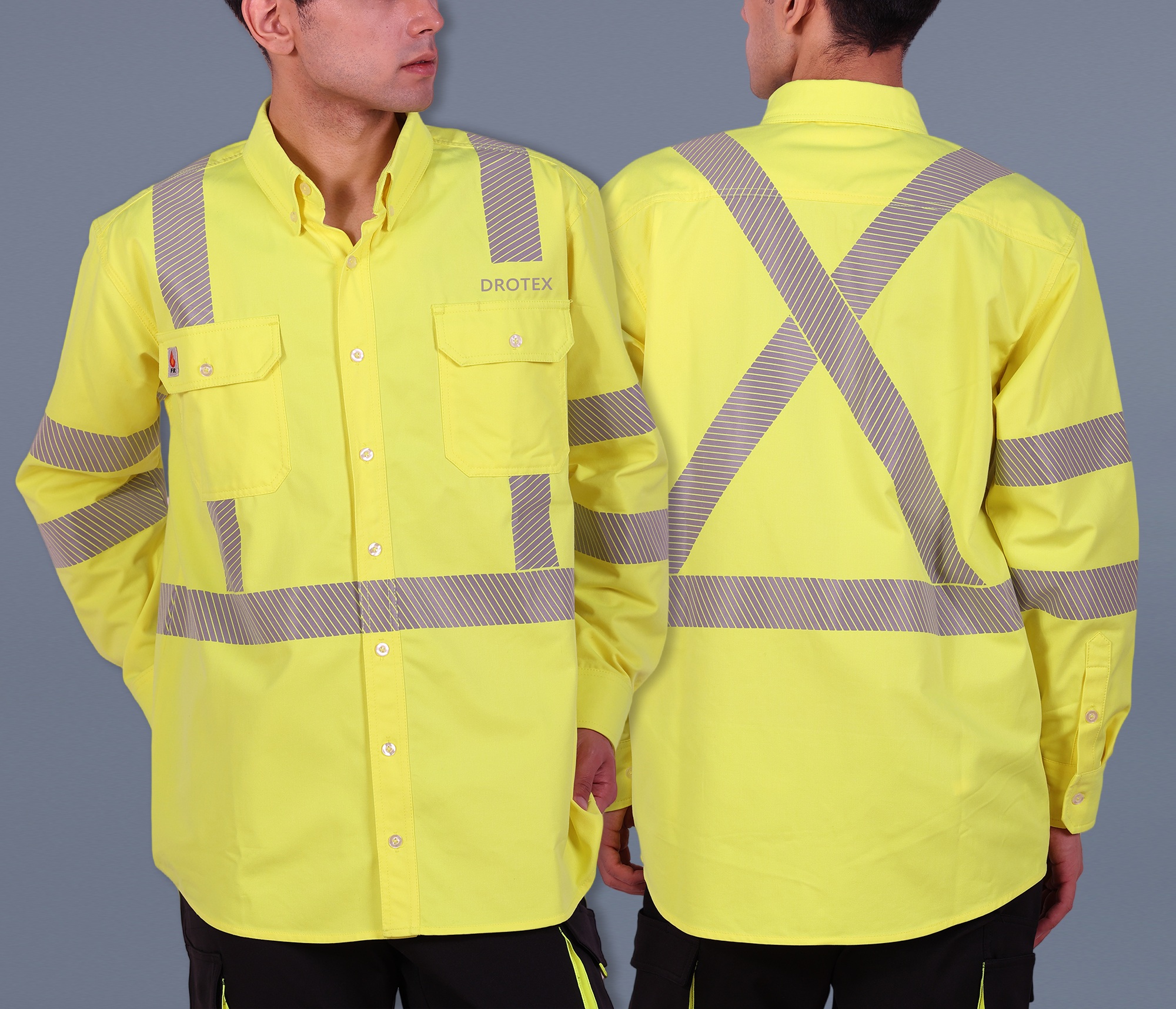
When flame touches the surface, the fabric's response depends entirely on its fiber composition. Natural fibers like cotton or linen will ignite and burn with a steady, orange glow, often leaving behind a fine, crumbly ash. Synthetics behave quite differently—polyester shrinks away from the heat, melting into hard, black beads that can stick to skin, while nylon drips dangerously as it burns. Wool, on the other hand, is reluctant to catch fire; it smolders briefly, emitting a scent reminiscent of singed hair, and self-extinguishes once the heat source is gone.
Some fabrics are engineered to resist ignition altogether. Treated materials or inherently flame-resistant fibers, such as aramid, will char but not sustain a flame. You might see a protective layer of carbon form on the surface, insulating the material beneath. This carbon shield slows further degradation and prevents the fabric from turning into a fuel source. In all cases, the reaction is a balance between the material’s chemical structure and the fire’s intensity, with safety hanging on how quickly the heat causes breakdown and whether the residue can do more harm than the flames themselves.
Decoding Safety Labels and Industry Certifications
Navigating the maze of symbols and certifications on product packaging can feel overwhelming, yet these marks are often the only visible assurance that a product meets rigorous safety and quality benchmarks. Whether it’s the CE marking on electronics sold in Europe or the UL listing on an American appliance, each label carries a distinct story about the testing and compliance journey behind the item. Learning to recognize these small icons isn’t just about compliance literacy—it’s about trusting that the product won’t pose hidden risks to your home or health.
Industry certifications go far beyond basic safety; they often reflect specialized standards for specific environments or user groups. For example, a toy bearing the EN 71 mark has passed strict mechanical and chemical testing to protect children, while an IP67 rating on a smartphone promises dust tightness and water immersion resistance. These certifications are voluntary in many cases, which means a manufacturer choosing to pursue them is making a statement about their commitment to excellence. Familiarity with the logos that matter in your daily life can transform you from a passive buyer into an informed consumer who shops with confidence.
The real value of decoding these labels, however, lies in understanding their limitations. A safety mark is rarely a blanket guarantee; it usually applies to specific hazards and controlled test conditions. That’s why a product might be “food-safe” but not microwave-safe, or carry an eco-label without being fully recyclable. By pairing certification knowledge with practical skepticism, you can cut through marketing noise and make choices that genuinely align with your needs and values.
Balancing Comfort With Heavy-Duty Protection
Gear that can take a beating usually comes with a trade-off: stiff materials, bulky layers, and an overall feeling of being weighed down. But that old compromise is fading fast. Today’s designs prove you don’t have to choose between feeling unrestricted and staying shielded from serious impacts, abrasions, or harsh conditions.
The trick lies in how materials are layered and shaped. High-denier fabrics get reinforced at stress points without making the whole garment rigid, while strategically placed padding absorbs shock exactly where it’s needed—and stays out of the way everywhere else. Breathable membranes work behind the scenes to dump excess heat, so you’re not stewing in your own sweat when work heats up.
What does that mean day to day? You can crouch, reach, and twist without fighting your clothing. Whether you’re kneeling on concrete, handling sharp-edged materials, or caught in a surprise downpour, the protection is built in—but it won’t slow you down. That kind of balance keeps you safer not just because of the armor, but because it doesn’t distract you from the task at hand.
Why Longevity Depends on Proper Maintenance
Everything around us — from the watch on your wrist to the engine in your car — stays reliable only when cared for consistently. The same principle applies to our bodies. Longevity isn’t just about adding years to life; it’s about making those years functional and fulfilling. Proper maintenance, in the form of daily habits, regular check-ups, and mindful nutrition, keeps our biological systems in balance. When we neglect that balance, small issues snowball into chronic conditions that chip away at our vitality.
Think of your body as a high-performance machine that thrives on attention. Sleep restores cellular function, exercise tunes the cardiovascular system, and stress management prevents hormonal wear and tear. Each proactive choice is like an investment in a future self that can still climb stairs, travel, and play with grandchildren. Without this ongoing upkeep, the body’s repair mechanisms slow down, and the margin for error shrinks dramatically.
Ultimately, longevity isn’t about reaching an arbitrary age; it’s about preserving the quality of life along the way. Proper maintenance teaches us to listen to early warning signs and act before breakdowns occur. By treating health as a continuous practice rather than a crisis response, we build resilience that defies our chronological age. The reward is not just more time, but more time lived fully.
Smart Buying Tips You Might Overlook
Most shoppers focus on price tags and product specs, but the real savings often hide in the timing of your purchase. Retailers quietly adjust prices based on seasonal inventory shifts, midweek lulls, or even the launch of a newer model. A little patience can mean snagging the same item for half the cost. Instead of rushing to buy the moment you spot something, track its price for a few days using a simple browser bookmark check—no fancy tools needed. You might notice a pattern: Tuesday evenings or post-holiday mornings often bring unexpected dips.
Another easy-to-miss gem is the subtle art of bundling discounts that aren't loudly advertised. Many online stores automatically apply a lower price when you pair a main item with accessories or refills, but only if you add them to the cart together. The key is to experiment in the cart page without pressure to buy—swap combinations, check the total, then remove what you don't need. Sometimes just adding a minor related product unlocks a discount on your primary purchase that beats any coupon you'd find elsewhere.
Don't overlook the value of how you pay. Certain credit cards or digital wallets offer hidden perks like extended warranties, price-drop refunds, or even accidental damage coverage that outdo what the store provides. Before clicking 'buy,' spend a minute reviewing your card's benefits guide—those stacked protections can save more in the long run than a 5% upfront discount. It’s the kind of quiet advantage that turns a regular purchase into a much smarter one.
FAQ
These shirts are designed to self-extinguish once the ignition source is removed, drastically reducing burn injuries. They give you precious seconds to escape if you're caught in a flash fire or arc flash, which can mean the difference between minor harm and a life‑threatening event.
It relies on fabrics that are chemically engineered or treated to resist ignition. When exposed to flame, they form a charred barrier that prevents the heat from reaching your skin. The fabric won't melt or drip like synthetics, so there's no secondary burn risk.
Inherent FR means the flame resistance is built into the polymer chain itself—it can never wash out or wear off. Treated FR usually starts with a natural fiber like cotton that's chemically bonded with a retardant. Both work, but inherent fabrics tend to last longer through industrial laundering.
Not anymore. Modern FR shirts use lightweight blends with moisture‑wicking properties. Many are as breathable as a regular work shirt, so you get protection without overheating. Look for options that mention comfort features if you'll be wearing it all day.
Check the label for NFPA 2112 for flash fire protection or NFPA 70E for arc flash safety. These aren't marketing claims—they require third‑party testing and factory audits. For electrical work, you might also see ASTM F1506. No stamp, no guarantee.
Yes, but you should avoid fabric softeners and bleach—they can coat fibers or degrade the flame‑retardant chemicals. Use a mild detergent, turn the shirt inside out, and skip the dryer sheets. If it's home‑laundered, inspect it regularly for holes or thinning.
Most manufacturers don't give an exact expiration date, but signs of failure include excessive thinning, tears, or heavy staining that covers more than a small percentage of the shirt. If a treated garment fails a vertical flame test after 50 or 100 washes, it's time to replace. When in doubt, don't risk it.
Yes, some FR shirts carry a dual rating. Look for garments labeled NFPA 2112/CGSB 155.20 for flash fire along with ASTM F903 for liquid penetration. They're often made of multi‑layer or specially coated fabrics, so you get broad workplace safety without doubling up.
Conclusion
Flame resistant shirts are engineered with advanced fiber blends and chemical treatments that interrupt the combustion process, stopping flames from spreading the moment the heat source is removed. Unlike regular fabrics that ignite and continue burning, these materials—such as modacrylic, aramid, or treated cotton—undergo a carbonization reaction, forming an insulating char layer that shields the wearer’s skin. This instant self-extinguishing behavior is not just a surface coating but a structural transformation woven into every thread, ensuring the protection remains intact even after repeated industrial laundering. The Fabric Reaction Guide in many garments explains how the material chars instead of melting, preventing the dangerous molten drips that can cause severe injuries in synthetic fabrics. It’s this precise chemical response, activated at the molecular level, that makes FR shirts a vital barrier against arc flashes, flash fires, and combustible dust hazards.
When choosing the right shirt, the balance between rigorous safety standards and daily wearability is crucial. Look beyond basic compliance labels—genuine protection is verified by certifications like NFPA 2112 or ASTM F1506, but the details matter: a sewn-in label indicating the entire garment is certified, not just the fabric, and clear arc ratings for electrical work. Yet even the best certifications mean little if the shirt is uncomfortably stiff or ill-fitting, causing workers to skip wearing it. Modern FR shirts blend aramid fibers with moisture-wicking viscose to move sweat away while keeping the flame-resistant properties intact, so you stay cool without sacrificing safety. Durability is another silent factor—neglecting proper cleaning with non-bleach, non-fabric-softener detergents can strip away protective qualities or embed flammable residues. Smart buyers also check reinforced stitching, covered buttons, and strategic gussets that prevent tears, ensuring the shirt’s protection lasts as long as its comfort does in demanding environments.
Contact Us
Contact Person: Sandy
Email: [email protected]
Tel/WhatsApp: 86150 8310 5120
Website: https://www.frdrotex.com