

Nickel Alloy Steel in China: A Guide to Premium Materials for Industrial Strength
2026-01-26
In the ever-evolving landscape of global manufacturing, the demand for high-performance materials that can withstand extreme conditions is at an all-time high. At the forefront of this revolution in China is nickel alloy steel, a premium material that promises unparalleled industrial strength and durability. This guide, 'Nickel Alloy Steel in China: A Guide to Premium Materials for Industrial Strength,' delves into the cutting-edge innovations and applications that are reshaping industries from aerospace to energy. As we explore the transformative power of these alloys, one name stands out for its commitment to excellence and innovation: Jiangsu Baowu New Materials. With a legacy of pushing the boundaries of material science, they are not just suppliers but pioneers, crafting solutions that meet the most rigorous standards. Join us as we uncover the secrets behind these robust materials and discover how companies like Jiangsu Baowu New Materials are driving the future of industrial resilience, sparking curiosity about what lies ahead in this dynamic field.
Introduction to Nickel Alloy Steel in Chinese Industrial Applications
Nickel alloy steel has quietly cemented its role as a backbone material across diverse sectors in China, driven by the nation's push for technological self-reliance and industrial upgrading. Rather than being a flashy innovation, it serves as a critical enabler in applications where durability under extreme conditions is non-negotiable. For instance, in the energy sector, Chinese power plants increasingly rely on nickel-based steels for boiler tubes and turbine components, which must withstand high temperatures and corrosive atmospheres over decades of operation. This isn't merely about meeting specifications—it's about ensuring uninterrupted energy supply in a country where demand continues to soar.
Beyond energy, the material's adaptability is evident in China's ambitious infrastructure projects, such as high-speed rail networks and coastal bridges. Here, nickel alloy steel is valued for its resistance to environmental stressors like saltwater corrosion and cyclic loading, which helps extend the lifespan of critical structures. What sets this apart is how Chinese engineers often customize alloy compositions to suit local conditions, blending traditional metallurgy with modern testing methods to optimize performance. This tailored approach reduces maintenance costs and enhances safety, reflecting a pragmatic focus on long-term value rather than short-term gains.
In emerging fields like aerospace and advanced manufacturing, nickel alloys are gaining traction as China aims to reduce reliance on imports for high-tech components. Applications range from jet engine parts to precision instruments, where the steel's ability to retain strength at elevated temperatures is crucial. Interestingly, local research initiatives are exploring hybrid alloys that incorporate rare earth elements, aiming to push the boundaries of what these materials can achieve. This not only supports national strategic goals but also positions Chinese industries as innovators in material science, moving beyond mere adoption to active development of next-generation solutions.
Key Properties and Benefits of High-Quality Nickel Alloy Steels
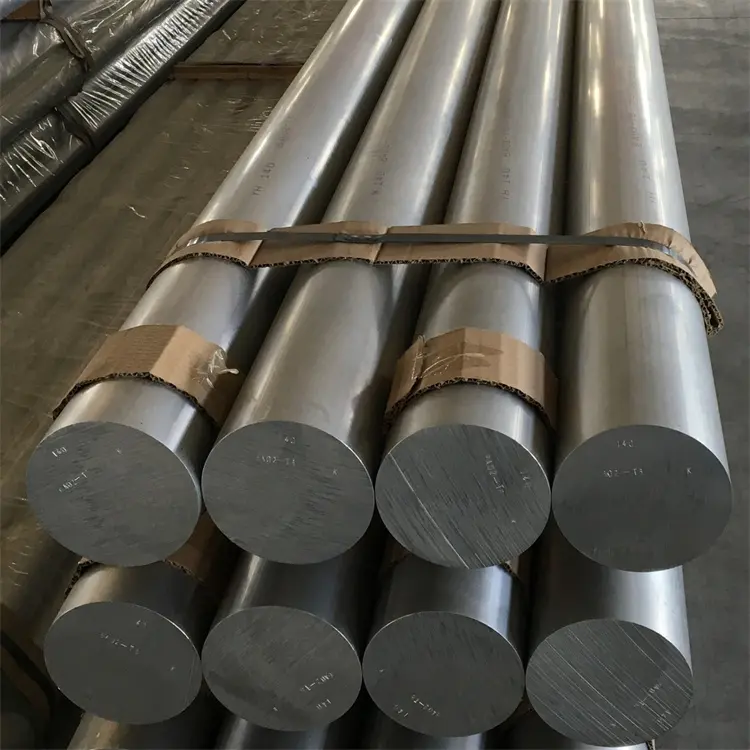
High-quality nickel alloy steels stand out in industrial applications due to their exceptional combination of strength, durability, and resistance to extreme conditions. These alloys, often containing between 20% to 60% nickel, excel in environments where other materials fail—such as high temperatures, corrosive atmospheres, and high-pressure systems. Their unique microstructure allows them to maintain mechanical integrity under thermal stress, making them ideal for critical components in aerospace, petrochemical, and power generation industries. Moreover, their ability to withstand oxidation and sulfidation extends the lifespan of equipment, reducing maintenance costs and downtime significantly.
Beyond their robust performance, nickel alloy steels offer remarkable versatility and cost-effectiveness over time. Unlike standard carbon steels, these alloys can be tailored to specific needs through precise alloying with elements like chromium, molybdenum, and titanium, enhancing properties such as creep resistance and fatigue strength. This adaptability ensures that manufacturers can select or develop alloys that precisely match operational demands, leading to optimized efficiency and safety. Additionally, their superior corrosion resistance minimizes material degradation, which translates into lower replacement rates and a smaller environmental footprint, offering a sustainable advantage in long-term projects.
The benefits of using high-quality nickel alloy steels extend to enhanced reliability and innovation in engineering solutions. In sectors like marine engineering and chemical processing, where exposure to aggressive media is common, these alloys provide a reliable barrier against pitting, stress corrosion cracking, and erosion. This reliability fosters confidence in design engineers, enabling the development of more advanced and durable structures without compromising on performance. As industries push toward higher efficiencies and tougher standards, nickel alloy steels continue to be a cornerstone material, driving progress and ensuring that critical infrastructure remains resilient in the face of evolving challenges.
Top Chinese Manufacturers and Their Premium Material Offerings
When it comes to high-end materials, Chinese manufacturers have carved out a reputation for excellence that often rivals global counterparts. Companies like Huawei in electronics or Li Ning in sportswear leverage top-tier materials such as aerospace-grade aluminum alloys and sustainable recycled fabrics to deliver products that not only perform exceptionally but also stand the test of time. These offerings are backed by rigorous R&D efforts and partnerships with international suppliers, ensuring quality that meets or exceeds international standards.
Diving deeper, firms like Tencent and Xiaomi exemplify innovation in material usage, integrating advanced composites and cutting-edge polymers into their devices to enhance durability and user experience. Beyond tech, sectors like automotive and fashion see pioneers like BYD and Anta utilizing premium leathers and eco-friendly textiles, appealing to environmentally conscious consumers. This focus on material excellence helps Chinese brands compete on a global stage, offering unique value propositions that set them apart from competitors.
What truly distinguishes these manufacturers is their ability to blend tradition with modernity, as seen in companies like Haier, which uses high-grade stainless steel in appliances, or in the textile industry where silk and cashmere from local sources are refined for luxury markets. By prioritizing material innovation and customization, these players not only enhance product quality but also foster loyalty through distinctive offerings that resonate with diverse consumer needs worldwide.
Industrial Applications Across Various Sectors in China
China's industrial landscape is rapidly transforming with cutting-edge applications that span multiple key sectors, driving unprecedented growth and innovation. In manufacturing, robotics and AI-powered automation systems are enhancing precision and efficiency, reducing manual labor while boosting output quality. The energy sector sees smart grids and renewable technologies like solar and wind power installations becoming more integrated, aiding in sustainable development and energy security. Additionally, in logistics, IoT-enabled tracking and blockchain for supply chain management are streamlining operations, ensuring timely deliveries and transparency across vast networks.
Building on this momentum, the healthcare and pharmaceutical industries are leveraging advanced biotech and data analytics to accelerate drug discovery and improve patient care through telemedicine platforms. In agriculture, precision farming techniques using drones and sensors optimize crop yields and resource use, addressing food security challenges. Meanwhile, the construction sector adopts 3D printing and BIM (Building Information Modeling) to create smarter, more resilient infrastructure projects. These diverse applications not only boost economic performance but also foster cross-sector collaboration, creating a dynamic ecosystem where technology meets practical needs on a grand scale.
Looking ahead, emerging fields like autonomous vehicles in transportation and AI-driven financial services are gaining traction, highlighting China's push to lead in global industrial trends. By integrating digital solutions across traditional and new industries, the country is setting benchmarks for innovation that resonate worldwide, making industrial applications a cornerstone of its modernization strategy.
Quality Standards and Certification Processes for Nickel Steel
When it comes to nickel steel, quality standards aren't just checkboxes—they're the blueprint for performance and safety in demanding applications. From aerospace components to chemical processing equipment, these standards ensure that the material meets precise composition requirements, mechanical properties, and durability thresholds. Think of them as a universal language that manufacturers, engineers, and end-users rely on to guarantee consistency and reliability across the board.
The certification process for nickel steel is equally rigorous, serving as a formal validation that a product adheres to these strict criteria. It typically involves third-party audits, detailed testing for factors like tensile strength and corrosion resistance, and thorough documentation tracking every step from raw material sourcing to final fabrication. This isn't merely about compliance; it's about building trust in industries where failure isn't an option, ensuring that every piece of nickel steel performs exactly as intended under real-world conditions.
What sets these standards apart is their dynamic nature—they evolve alongside technological advancements and industry needs, incorporating insights from field failures and new research. This adaptability means that certified nickel steel isn't just meeting yesterday's benchmarks; it's prepared for tomorrow's challenges, offering a forward-looking assurance that resonates with innovators and traditional users alike.
Future Trends and Innovations in China's Nickel Alloy Industry
China's nickel alloy industry is poised for significant transformation, driven by advancements in high-performance materials and strategic shifts towards sustainable manufacturing. One key trend is the increasing focus on developing specialized nickel-based superalloys tailored for extreme environments, such as those required in aerospace engines and high-temperature industrial applications. This push is fueled by rising domestic demand for advanced technologies and global competition, prompting Chinese manufacturers to invest heavily in research and development to create alloys with superior strength, corrosion resistance, and thermal stability.
Innovations are also emerging in production processes, with the adoption of additive manufacturing techniques like 3D printing enabling more efficient fabrication of complex nickel alloy components. This not only reduces material waste but also allows for custom designs that were previously unattainable through traditional methods. Additionally, the industry is exploring greener alternatives, such as recycling nickel from industrial scrap and integrating renewable energy sources into smelting operations, aligning with broader national goals for environmental sustainability.
Looking ahead, the integration of digital technologies, including artificial intelligence and big data analytics, is set to revolutionize quality control and supply chain management within the sector. These innovations are expected to enhance precision in alloy composition and optimize resource allocation, positioning China as a competitive player in the global nickel alloy market while addressing challenges like raw material scarcity and evolving regulatory standards.
FAQ
Chinese nickel alloy steel often integrates localized innovations, such as unique heat treatment processes, to enhance corrosion resistance and mechanical strength tailored for Asia-Pacific industrial applications. This approach ensures materials meet specific regional standards while maintaining competitive cost-effectiveness without compromising quality.
China's premium nickel alloy steel typically offers a cost advantage of 10-20% compared to Western counterparts, due to efficient supply chains and large-scale production. However, prices vary based on alloy composition and certifications, making it crucial to balance budget with performance requirements for industrial projects.
Demand is primarily fueled by sectors like energy (e.g., pipelines and turbines), automotive (high-strength components), and construction (structural supports), where durability under stress and harsh environments is critical. Chinese materials are increasingly chosen for projects requiring resilience and long-term reliability in these fields.
Manufacturers implement rigorous testing protocols, including non-destructive methods like ultrasonic inspection and mechanical property assessments, to verify uniformity and adherence to international standards. This focus on consistency helps deliver materials that perform reliably in high-stress industrial settings.
Emerging trends include adoption of eco-friendly production techniques to reduce environmental impact and development of advanced alloys with improved heat resistance. These innovations aim to address evolving industrial challenges while positioning China as a leader in next-generation materials.
International buyers benefit from China's blend of technical expertise, scalable production capacities, and competitive pricing. Materials are often customizable to project specifications, offering a versatile solution that meets diverse industrial needs while ensuring supply chain resilience.
These alloys excel in extreme temperatures, with grades designed to maintain structural integrity from cryogenic levels up to 1200°C. Performance is validated through real-world applications in aerospace and power generation, where thermal stability is non-negotiable for safety and efficiency.
Key factors include supplier certifications (e.g., ISO standards), track record in delivering to major projects, technical support capabilities, and transparency in material sourcing. Evaluating these aspects helps ensure a reliable partnership and access to premium-grade materials.
Conclusion
Nickel alloy steel has become indispensable in China's industrial landscape, offering exceptional performance where standard materials fall short. This overview explores its critical role across diverse sectors, from energy and aerospace to chemical processing and automotive manufacturing. With China's growing emphasis on infrastructure and technological advancement, the demand for high-grade nickel alloys continues to rise, driven by their superior corrosion resistance, high-temperature strength, and durability. As industries seek more robust solutions, these materials provide the necessary resilience to withstand harsh environments and heavy loads, ensuring operational reliability and safety in demanding applications.
Leading Chinese manufacturers are at the forefront of producing premium nickel alloy steels, adhering to stringent quality standards and certification processes to meet both domestic and international requirements. Key properties such as enhanced mechanical strength and fatigue resistance make these alloys ideal for critical components in turbines, reactors, and structural frameworks. Looking ahead, innovations in alloy composition and manufacturing techniques promise to further elevate performance, supporting China's push toward sustainable and high-tech industrial growth. This ongoing evolution underscores the material's pivotal role in strengthening China's industrial capabilities while fostering innovation across various sectors.
Contact Us
Contact Person: Zoe Liang
Email: [email protected]
Tel/WhatsApp: 86 189 2128 6299
Website: https://www.baowuchina.com