
Polyethylene Glycol: The Unsung Hero of Modern Industry
2026-08-02
It hides in plain sight, quietly enabling countless products we rely on every day—from pharmaceuticals to construction materials. Polyethylene glycol (PEG) may not grab headlines, but its versatility is unmatched. At HAISEN, we harness PEG's unique properties to drive innovation where it matters most. Discover how this unassuming polymer became a cornerstone of modern industry, and why its story deserves your attention.
What Makes Polyethylene Glycol the Backbone of Countless Products?
Polyethylene glycol’s unique molecular structure offers a rare combination of water solubility and chemical flexibility, making it an ideal base for everything from pharmaceuticals to personal care items. The polymer chain can be precisely tuned during synthesis, adjusting its length to alter viscosity, melting point, and binding properties. This adaptability means a single family of compounds can serve as a thickener in shampoo, a solubilizer in liquid detergents, and a protective coating in pill formulations without compromising performance.
What truly sets PEG apart is its biocompatibility and safety profile across diverse uses. In medicine, it acts as a gentle laxative by retaining water in the stool, yet the same polymer backbone is used to modify therapeutic proteins, extending their circulation in the bloodstream. Industrial applications leverage its lubricity and stability at high temperatures, while cosmetic chemists prize its non-irritating nature for sensitive-skin formulations. This broad acceptance stems from how easily the body processes it—or in many cases, doesn’t process it at all—allowing PEG to function without interfering with biological systems.
The compound’s backbone also excels at forming matrices and dispersions, which unlocks advanced delivery systems in agriculture and food science. Pesticides and nutrients can be encapsulated for controlled release, improving efficiency and reducing environmental impact. In processed foods, PEG helps maintain texture and moisture without adding calories or flavor. Its capacity to dissolve both hydrophilic and hydrophobic substances bridges formulation gaps that few other materials can, quietly enabling the modern array of gels, pastes, and films consumers rely on daily.
From Medicine to Manufacturing: Tracing PEG’s Quiet Influence
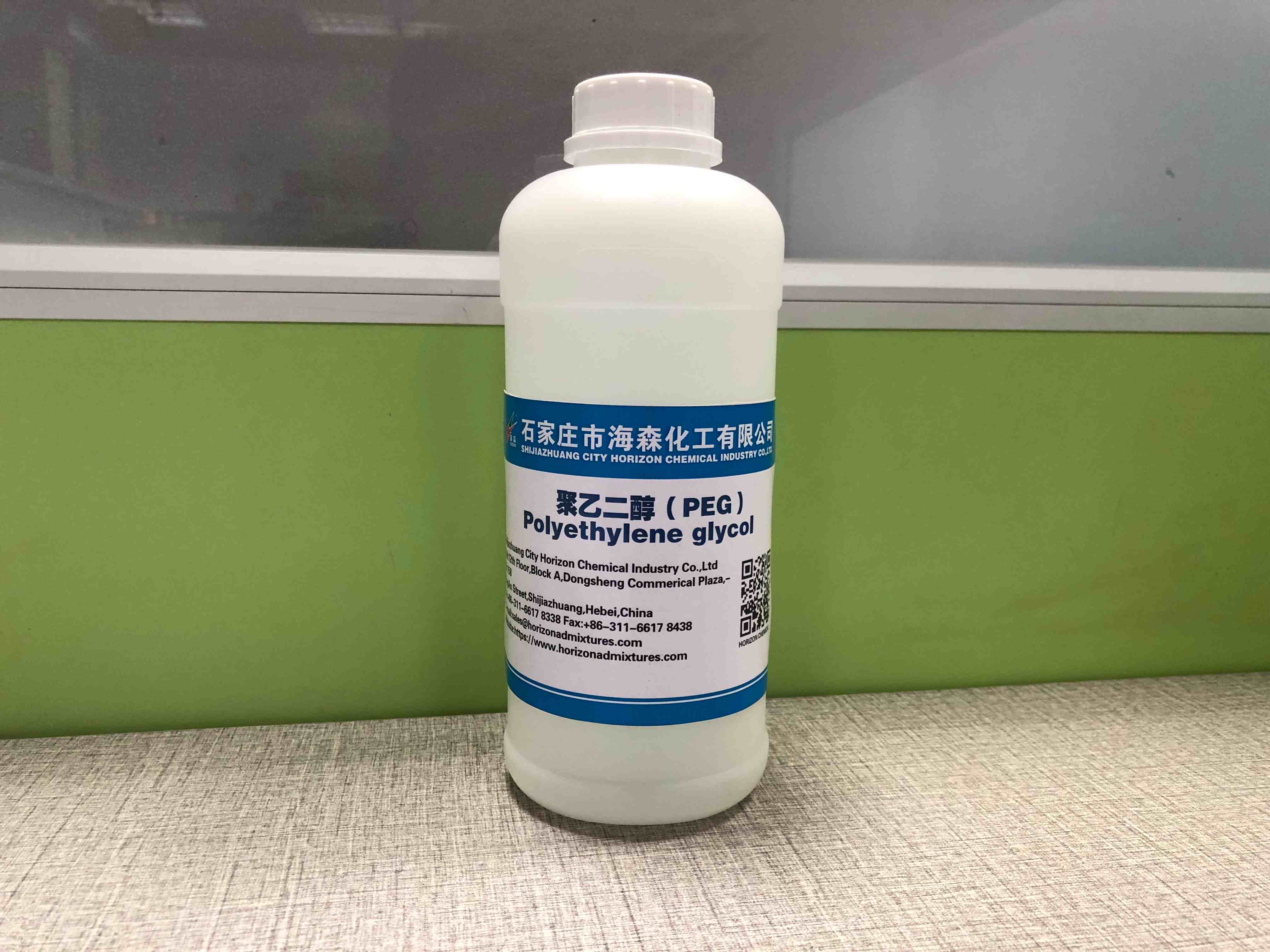
Polyethylene glycol might not be a household name, but its fingerprints are all over modern life. In medicine, PEGylation—the process of attaching PEG chains to therapeutic proteins—has quietly revolutionized drug delivery, extending the circulation time of biologics like interferon and monoclonal antibodies. This stealthy polymer evades the immune system, allowing drugs to work longer and with fewer side effects, transforming chronic disease management without fanfare.
Step outside the clinic, and PEG’s versatility becomes even more apparent. Its hygroscopic nature and lubricity make it a workhorse in manufacturing: from ceramic processing and paint formulations to the slip agent on razor blades. In industrial settings, PEG acts as a mold release agent, a humectant in textile production, and a base for lubricants that keep machinery humming. Its low toxicity and water solubility make it easy to rinse away, leaving behind no residue but plenty of impact.
Yet the real beauty of PEG is how it bridges these worlds. The same polymer that stabilizes a cancer drug also helps form the solid electrolyte interface in lithium-ion batteries. It flows through pharmaceutical cleanrooms and factory floors alike, a silent enabler that rarely gets credit. PEG’s influence is woven so deeply into the fabric of both sectors that its absence would bring production lines and infusion pumps to a halt—a quiet influence, but a colossal one.
The Chemistry Behind Its Incredible Versatility
At the molecular level, the backbone of this material is a flexible chain of carbon atoms, each capable of forming strong covalent bonds with a variety of side groups. This simple yet elegant architecture allows chemists to fine-tune properties like solubility, thermal stability, and mechanical strength simply by swapping out functional groups. The result is a platform where small changes in structure lead to dramatically different behaviors, from rigid and heat-resistant to soft and highly elastic.
Hydrogen bonding and van der Waals interactions further amplify its adaptability. By strategically placing polar or nonpolar segments along the chain, the material can be engineered to interact attractively or repulsively with its environment. This means it can be tailored to either repel water and oil, or absorb them, making it equally useful in waterproof coatings and advanced moisture-wicking textiles. The interplay of these weak forces, often underestimated, is what gives the material its dynamic responsiveness.
Perhaps most remarkably, the material's chemical structure allows for reversible crosslinking under specific conditions. Heat, pH shifts, or even light can trigger temporary bonds to form or break, granting on-demand shape memory, self-healing, and recyclability. This dynamic chemistry moves beyond static performance, enabling applications that require the material to adapt, repair, or reconfigure itself during use—a leap beyond conventional single-purpose polymers.
Why Polyethylene Glycol Is Essential in Pharmaceuticals
Polyethylene glycol, often referred to as PEG, plays multiple roles in pharmaceutical formulations that go far beyond simple solubility enhancement. Its unique chemical structure allows it to interact with water molecules in a way that stabilizes proteins, prevents aggregation, and maintains the structural integrity of biologic drugs. Unlike many other excipients, PEG can be tailored to different molecular weights, giving formulators precise control over viscosity, drug release rates, and even the immunogenicity of conjugates. This versatility makes it a cornerstone in everything from oral tablets to advanced injectable therapies.
One of the lesser-known yet critical uses of PEG is in protecting drugs from rapid clearance by the immune system. When attached to therapeutic proteins or nanoparticles, PEG creates a hydration shield that camouflages them from phagocytic cells and reduces kidney filtration. This stealth effect dramatically extends circulation time, allowing for less frequent dosing and improved patient compliance. The ability to fine-tune the PEG layer thickness and density has opened doors for long-acting formulations that simply wouldn’t be possible without it.
Beyond parenteral applications, PEG’s safety profile and lubricious nature make it indispensable in topical and ophthalmic preparations. It acts as a mild osmotic agent that draws moisture into dry tissues without causing irritation, which is why it’s a mainstay in eye drops and skin healing ointments. Its non-ionic character means it doesn’t interfere with the electrical environment of mucous membranes, preserving the natural defense mechanisms while delivering active ingredients. In a field where patient comfort and safety are paramount, polyethylene glycol consistently bridges the gap between harsh necessity and gentle effectiveness.
Industrial Applications That Rely on This Overlooked Compound
In the realm of high-performance coatings, this unassuming compound plays a pivotal role as a matting agent and rheology modifier. Unlike traditional silica-based alternatives, its fine particle size and chemical inertness allow for precise control over gloss levels without compromising film integrity. Manufacturers of automotive finishes and wood lacquers rely on it to achieve consistent surface textures that resist scratching and yellowing over time.
Beyond aesthetics, the compound's unique thermal stability makes it indispensable in the production of fire-resistant materials. When incorporated into intumescent coatings and polymer composites, it releases water vapor at elevated temperatures, creating an insulating char layer that shields structural steel during a blaze. This property has quietly become a staple in the construction industry, where safety regulations continue to tighten.
Surprisingly, the electronics sector also benefits from this overlooked material. As a filler in printed circuit board substrates, it reduces the coefficient of thermal expansion, preventing delamination during soldering and improving long-term reliability. Its low dielectric constant further minimizes signal loss in high-frequency applications, a requirement that becomes ever more critical in 5G infrastructure and advanced computing.
A Future Built on PEG: Innovations and Emerging Uses
Polyethylene glycol might have started as a workhorse in pharmaceutics and industrial processes, but its story is far from over. Researchers are now pushing PEG into realms that feel almost science fictional—think self-healing materials that repair cracks when exposed to moisture, or soft robotic components that move without bulky motors. By tweaking chain lengths and attaching functional groups, scientists can make PEG respond to temperature, pH, or specific enzymes, opening doors to injectable gels that solidify at body heat to deliver drugs precisely where needed. These aren't just incremental improvements; they're redefining what a humble polymer can do.
Perhaps the most unexpected playground for PEG is in electronics and energy storage. Modified PEGs are turning up in solid-state batteries as ion-conducting electrolytes that are safer and more flexible than traditional liquids. They're also being woven into wearable sensors that cling to skin without irritation, monitoring everything from hydration levels to muscle fatigue. Even agricultural science is getting a boost—PEG-based hydrogels dissolved in irrigation water can form micro-reservoirs around roots, slowly releasing moisture and nutrients during droughts. It's a quiet revolution, but one that could change how we think about both sustainability and device design.
What makes these emerging uses so compelling is how they borrow from PEG's existing strengths while completely rethinking the application. The same biocompatibility that makes it safe for pill coatings now enables implantable devices that resist scar-tissue formation. The molecular flexibility that helps shampoos spread smoothly is being harnessed to create stretchable conductive films. As materials science crosses into genomics, there's even talk of PEGylated viral vectors that slip past the immune system to deliver gene therapies with fewer side effects. In every case, the future relies less on discovering new molecules and more on teaching an old polymer new tricks.
FAQ
Its secret lies in the tunable chain length—by varying molecular weight, PEG can shift from a viscous liquid to a waxy solid, offering everything from lubrication to controlled drug release. That adaptability, paired with water solubility and low toxicity, lets it slip into roles as a binder, surfactant, and humectant without disrupting the systems it enters.
At lower molecular weights, PEG acts as an osmotic laxative by drawing water into the bowel. In skincare, it’s a humectant that binds moisture to the skin and a penetration enhancer that helps active ingredients sink in. The same principle of controlled hydration works in both cases, just targeted differently.
PEG is stepping into the solvent spotlight as a renewable, biodegradable alternative to volatile organic compounds. Its low vapor pressure and ability to dissolve a wide range of substances make it ideal for cleaner synthesis, and researchers are even pairing it with CO₂ to create switchable solvent systems, reducing waste and energy use.
PEGylation—attaching PEG chains to proteins—shields them from enzymatic degradation and immune detection, extending their half-life in the body. This lets patients needing biologic therapies go from daily injections to weekly or monthly ones, all because PEG creates a ‘stealth’ coating that the body mostly ignores.
Absolutely. In electronics, PEG serves as a phase-change material for thermal management, absorbing and releasing heat to keep components cool. In construction, it’s mixed into concrete to improve workability and reduce cracking. It’s also used in ancient wood preservation, replacing water in waterlogged artifacts to prevent shrinkage—a quiet guardian of history.
The concern often centers on contamination with ethylene oxide and 1,4-dioxane, which are possible carcinogens. Reputable manufacturers purify PEG to remove these, and regulatory bodies set strict limits. For most people, intact skin isn’t permeable enough for these trace impurities to pose a risk, but the debate highlights the need for rigorous sourcing and transparency.
In the lipid nanoparticles that encase mRNA, PEG-lipids form a stealthy outer layer that prevents the particles from clumping and shields them from the immune system long enough to reach cells. Without that PEG coating, the nanoparticles would be cleared too quickly, and the vaccine wouldn’t work—making it a pivotal, if underappreciated, component of modern medicine.
Conclusion
Polyethylene glycol might not be a household name, but its role in modern life is nothing short of remarkable. This simple polymer, built from repeating units of ethylene oxide, possesses a unique ability to dissolve in both water and organic solvents, making it incredibly adaptable. In pharmaceuticals, PEG is a silent workhorse—it helps deliver drugs to specific parts of the body, stabilizes proteins in medications, and serves as a reliable laxative. Its biocompatibility and tunable molecular weight allow scientists to design everything from slow-release drug formulations to coatings for medical devices that resist bacterial adhesion. From treating chronic conditions to enabling precise therapies, PEG’s versatility at the molecular level translates directly into life-saving applications.
Beyond healthcare, PEG quietly shapes heavy industry and manufacturing. It functions as a lubricant in metalworking, a plasticizer in polymers, and a surfactant in paints and adhesives. Its hygroscopic nature makes it valuable as a humectant in cosmetics and an anti-static agent in textiles. Emerging uses point toward an even broader future: researchers are exploring PEG-based hydrogels for tissue engineering and environmentally friendly solvents for green chemistry. As industries seek sustainable alternatives, PEG’s low toxicity and biodegradability under certain conditions position it as a key material for innovation. Often overlooked, this unassuming compound continues to underpin advancements that touch nearly every sector of the economy.
Contact Us
Contact Person: Sam Lee
Email: [email protected]
Tel/WhatsApp: 86-311-6617 8338
Website: https://www.horizonadmixtures.com/