

Roller Shutter Window Supplier: What to Ask Before Buying for Security and Style
2026-10-31
Most people only think about security when buying roller shutters, but the wrong supplier can leave you with an eyesore that clashes with your home's style. That's why the questions you ask before ordering matter just as much as the product itself. Whether it's testing the locking system or checking finish samples, a little diligence up front pays off for years. At NORTON, we believe you shouldn't have to choose between protection and curb appeal.
How Thick Are the Aluminum Slats Really?
If you’re measuring a stack of aluminum slats with a cheap caliper, you might be surprised by the numbers. The thickness printed on the spec sheet rarely matches what you feel between your fingers. Most slats sold for blinds or fencing carry a nominal gauge like 0.019 inches or 0.024 inches, but actual production runs often fall short by a few thousandths. This isn’t a defect—it’s just how the industry rolls, literally, since repeated passes through rollers shift material in unpredictable ways.
The real thickness also depends on where you measure. Edges can be slightly thinner than the center due to how sheets are sheared and curled into slats. If you need to verify, grab a micrometer and check multiple points along the length. For structural uses, even a 0.003-inch difference can alter stiffness noticeably, while for decorative purposes you’d never feel it. So the honest answer is: the slats are as thick as the manufacturer could get away with within tolerance, not what the label claims.
Can I Lock Them Partially Open for Airflow Without Sacrificing Security?
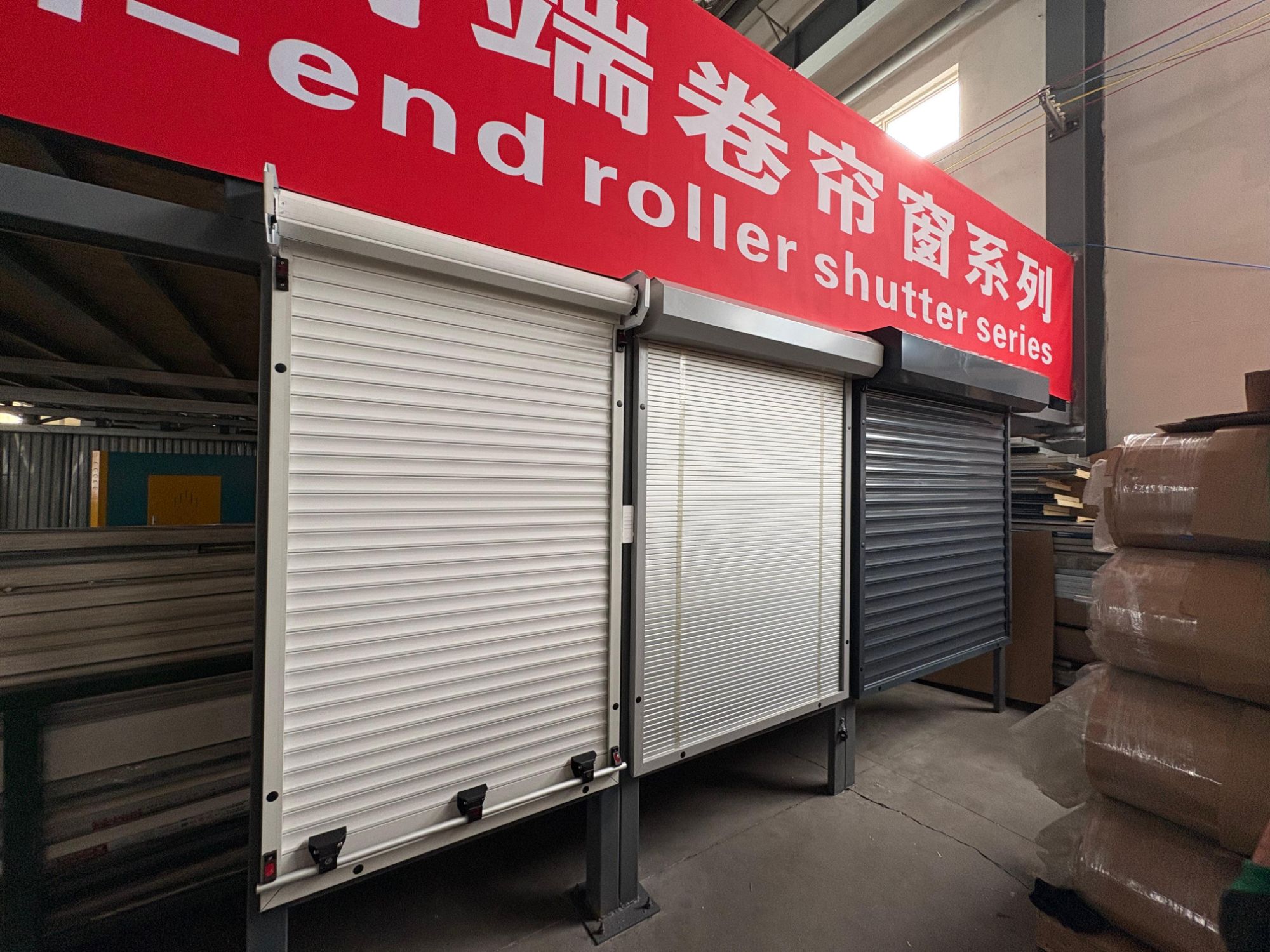
Yes, you can often lock windows or doors in a partially open position to allow airflow while maintaining a reasonable level of security, but it depends heavily on the type of hardware you have. Many modern window locks include a ventilation mode that lets you open the sash a few inches and then lock it in place, preventing someone from reaching in and opening it further. Similarly, door restrictors or chains can be set to allow a small gap. However, not all locks are designed for this purpose, so you'll need to inspect your existing setup or consider upgrading.
The real challenge is that a partially open window or door can still be a weak point if the locking mechanism isn't purpose-built for that position. An intruder might use a thin tool to manipulate the lock through the gap, or simply push hard enough to break a flimsy restrictor. That's why you should look for security hardware specifically rated for partial opening, such as reinforced window wedges, keyed sash stops, or heavy-duty door chains with anti-tamper features. These are engineered to withstand force and resist bypass attempts even when the opening is wide enough for air but too narrow for a person.
If you want a reliable balance between ventilation and security, consider installing secondary locking devices that let you control the exact gap size. For instance, adjustable window limiters can be set to allow 3–4 inches of opening, plenty for a cross breeze but far too small for someone to squeeze through. Just remember to test the setup regularly—over time, screws can loosen and restrictors can wear down, reducing their effectiveness. With the right hardware and a bit of maintenance, you can enjoy fresh air without leaving your home vulnerable.
What Finish Options Won't Fade After Five Years of Sun?
If you're tired of repainting every other spring, switch to finishes that rely on inorganic pigments rather than organic dyes. A high-quality 100% acrylic exterior paint labeled UV-resistant or fade-resistant holds onto color because the binder doesn't break down as quickly under ultraviolet light. Look for formulas with transparent iron oxides or ceramic microspheres—these aren't marketing fluff; they physically block and scatter sunlight before it can bleach the pigment.
For wood that needs to keep its natural grain, a marine-grade spar varnish with added UV absorbers is your best bet. Spar varnish is softer and more flexible than standard polyurethane, so it expands and contracts with the wood through temperature swings without cracking. Recoat the top surface every two to three years, but the underlying color won't turn gray or chalky after five.
On metal, powder coating is the long-haul champion. The pigment is baked into a polyester or epoxy-polyester resin at high heat, creating a finish that resists UV degradation far better than liquid paint. For aluminum patio furniture or steel railings, choose a super-durable polyester powder coat rated for exterior architectural use. It won't peel, fade, or dull appreciably even after five years of direct afternoon sun.
Will the Guides Be Mounted to the Frame or the Masonry?
When planning the installation, the first question to settle is whether the guides will attach to the frame or directly into the masonry. Frame mounting tends to work well when the surrounding structure is steel or timber, because you can use self-tapping screws or bolts without worrying about cracking. Masonry, on the other hand, calls for sleeve anchors or epoxy-set rods, and it generally handles heavier lateral loads once the fasteners are properly embedded.
A lot depends on the guide's intended job. If the guide is mainly there to keep a roller or sliding element from drifting sideways, frame mounting can be simpler and more adjustable. But when the guide has to resist constant impact or support a heavy gate, anchoring into masonry usually provides a more rigid base—assuming the brick, block, or concrete is in sound condition. Cored or older masonry may need chemical anchoring to avoid spalling.
In mixed situations, installers often use a combination: a bracket bolted to the frame and a secondary point anchored into the masonry. This spreads the load and reduces the chance of the guide working loose over time. Before committing, check what's behind the mounting surface. Hitting rebar or a hollow pocket changes the answer, so a quick test hole or a look at the building plans can save a lot of rework.
Who Does the Installation, and Are They Certified for This Brand?
Installation quality hinges entirely on the crew handling the job, not just the brand name on the box. You’ll want to know exactly who shows up at your door—are they in-house employees, or subcontracted workers with a loose affiliation to the brand? In-house teams typically follow stricter protocols, but some of the best independent contractors carry manufacturer-specific certifications that outshine a generic company badge. Ask for the lead installer’s direct phone number and a recent project reference; a certified pro for this particular brand will have no hesitation sharing both.
Certification for a specific brand goes beyond a quick online course. It often involves hands-on training at the manufacturer’s facility, annual recertification, and a documented track record with that exact product line. If the company can’t produce a current certificate—or waves it off with “we’ve done tons of these”—walk away. True brand certification means the installer has handled the quirks of this system, from tricky flashing details to load calculations that a generic crew might miss.
Don’t settle for vague reassurances. Request the installer’s certification number and verify it directly with the brand’s customer service line before signing anything. A legitimate outfit will also carry their own liability insurance and worker’s comp, separate from the brand’s warranty. The last thing you want is an after-hours crew cutting corners on a roof they’ve never touched before, only to leave you chasing a brand that shrugs and points to a subcontractor you never met.
What Happens When the Motor or Spring Gives Out Mid-Roll?
A motor quitting halfway through a roll tends to leave the shade frozen in place. You might hear a faint electrical buzz if the capacitor is still trying to send power, or nothing at all if the circuit board has cut out. Either way, the fabric won't budge with the remote or wall switch, and tugging on it usually does more harm than good. Some models have a manual release that lets you lower the shade by hand, but without it, the tube stays locked until you remove the motor head.
Spring failures are messier and often louder. When a coil spring snaps inside the tube, the tension that holds the fabric taut vanishes instantly. Depending on where the break occurs, the shade can drop hard against the window sill, unfurl unevenly, or spin freely while the fabric bunches up on one side. Older spring systems without a safety brake are the worst offenders; newer ones sometimes catch the tube before it free-falls, but you'll still end up with a shade that won't retract. In both cases, forcing the shade up or down by hand usually strips the remaining gears or twists the fabric out of alignment, so it's smarter to stop, secure the loose fabric, and either swap the spring cartridge or replace the motor rather than risk further damage.
FAQ
Look for solid aluminum or steel profiles with reinforced guide rails and a multi-point locking system. Ask for certification like PAS 24 or an equivalent impact test result rather than accepting vague 'high security' claims.
This affects both curb appeal and interior light. A good supplier should show you section drawings for your wall type—masonry, timber frame, or cavity—so the housing can be recessed during construction or neatly boxed on the facade.
Motorized shutters are convenient until the electricity fails. Check if the model includes a manual override, a backup battery, or a crank handle. If not, you may be locked in or out at the worst moment.
Small gaps reduce rattle and improve thermal performance, but too tight can cause jamming as the metal expands in summer. Ask for the measured clearance and what climate range the product was tested in.
Powder coating or PVDF coating usually outperforms wet paint. Request a warranty on fade and corrosion separately—some suppliers only cover mechanical parts, not the surface.
If you want to cut heat loss and condensation, look for twin-wall extrusions or a polyurethane foam fill. Ask to see a thermal transmittance value for the assembled shutter, not just the raw material.
Bearings, straps, and springs wear at different rates. A dependable supplier will give you a schedule—lubricate guides every six months, inspect tension yearly—and tell you which parts are user-serviceable versus which need a technician.
Conclusion
Before you sign off on roller shutters, dig into the details that matter after the sales pitch ends. Start with the aluminum slats—ask for exact gauge or millimeter thickness rather than accepting vague promises of 'heavy duty.' Thinner profiles dent easily and rattle in wind, while solid extruded slats hold their shape. Then tackle ventilation: many suppliers claim you can lock shutters partially open for airflow, but only certain guide systems and locking pins actually keep them secure in that position. If you want evening breeze without giving up protection, ask to see the mechanism demonstrated. Finish longevity is another quiet dealbreaker. Powder-coated surfaces vary wildly; press for warranty language covering UV exposure and salt air if you live near the coast, not just a generic 'fade resistant' label.
Installation choices shape performance just as much as product specs. Mounting the guides to the frame versus masonry changes how clean the look is and how much load the wall carries—get a straight answer on what your window structure allows. Also confirm whether the supplier uses certified installers for that brand; a skilled general contractor may not know the torque settings or sealant details a factory-trained crew does. Finally, plan for the unexpected. A motor or spring failure mid-roll can leave you locked out or exposed, so ask about manual override access, emergency release points, and average response time for repairs. Suppliers who talk through failure scenarios honestly are usually the ones worth trusting with a security feature you rely on every day.
Contact Us
Contact Person: Cyril He
Email: [email protected]
Tel/WhatsApp: 8613969697307
Website: https://cqyqgd.en.alibaba.com/