

Top Sewer Jetter Sourcing: Quick Guide to High-Performance Equipment for Easy Maintenance
2026-04-04
Maintaining a clear and efficient sewer system is critical for any property owner or maintenance professional. Yet, finding the right equipment to handle tough clogs and stubborn debris can often feel like searching for a needle in a haystack. That’s where high-performance sewer jetters come into play—these powerful machines are designed to simplify your maintenance tasks and keep your systems running smoothly. In this quick guide, we’ll dive into the essentials of sourcing top-tier sewer jetting equipment that delivers results without the hassle. Get ready to explore how selecting the right tools not only saves time but also enhances your overall workflow. And for those looking to elevate their maintenance game, we’ll highlight solutions from AMJET—a brand that’s redefining reliability and efficiency in the industry. Stay tuned to uncover the secrets behind easy, effective sewer maintenance and how you can upgrade your toolkit today.
Understanding the Power Behind Top Sewer Jetter Systems
The power of top sewer jetter systems stems from their ability to generate immense water pressure and flow rates, often reaching levels that can exceed 4,000 pounds per square inch (psi) and 10 gallons per minute (gpm). This force is crucial for breaking through stubborn clogs, such as those caused by grease, roots, or debris buildup, that standard plumbing tools might struggle with. By utilizing high-pressure water streams, these systems can efficiently clean pipelines without damaging the infrastructure, ensuring long-term functionality and reducing the need for costly repairs. The key lies in the balance between pressure and control, allowing operators to tackle various pipe sizes and materials effectively.
Behind this power, advanced components like robust pumps, durable hoses, and specialized nozzles work in synergy to deliver consistent performance. For instance, triple-piston pumps are commonly used to maintain steady pressure, while nozzles with forward and backward jets help propel the system through pipes while simultaneously breaking apart blockages. This combination not only enhances cleaning efficiency but also minimizes downtime, making it a preferred choice for professionals handling residential, commercial, or industrial sewer maintenance. The reliability of these systems often depends on regular maintenance and proper operation, which includes monitoring pressure gauges and ensuring water supply quality to prevent wear and tear.
What sets top sewer jetter systems apart is their adaptability to diverse scenarios, from routine maintenance to emergency situations. Innovations in design, such as adjustable pressure settings and ergonomic controls, empower operators to customize cleaning approaches based on specific pipe conditions. This versatility, coupled with the sheer power output, enables these systems to outperform traditional methods like snaking or chemical treatments, offering a more thorough and environmentally friendly solution. By understanding the mechanics behind this power, users can leverage these systems to maintain optimal sewer health and prevent future issues, ultimately saving time and resources.
Key Features to Look for in High-Performance Jetting Equipment
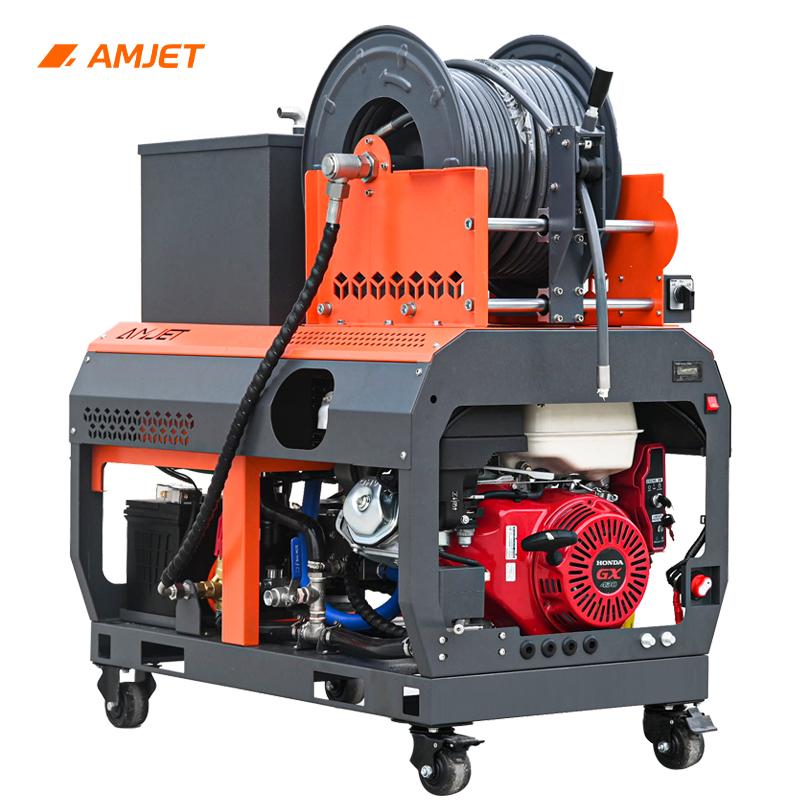
When selecting high-performance jetting equipment, the durability of materials is paramount. Look for units made from reinforced stainless steel or heavy-duty polymers, as these materials withstand the intense pressures and corrosive environments typical in industrial cleaning applications. A robust frame and sealed components can significantly reduce maintenance downtime and extend the lifespan of your equipment, ensuring reliable performance even under harsh conditions.
Power output and pressure capabilities are critical factors that directly impact cleaning efficiency. Opt for jetting equipment with adjustable pressure settings, allowing you to tailor the force to different tasks, from delicate surfaces to stubborn blockages. High horsepower motors and advanced pump systems deliver consistent flow rates, enabling faster cleaning times and more effective debris removal without sacrificing precision or control.
Innovative features like remote operation and digital controls can elevate your jetting experience. Modern units often include wireless remotes for safe operation from a distance, as well as intuitive interfaces that provide real-time feedback on pressure, temperature, and nozzle status. These additions not only enhance safety by keeping operators away from high-pressure zones but also streamline workflow, making complex jobs more manageable and reducing the risk of errors.
Comparing Different Types of Sewer Jetters for Maintenance Needs
When it’s time to tackle sewer line blockages or routine maintenance, the type of jetter you choose can make all the difference. Jetters aren’t one-size-fits-all; they vary in power, application, and design. For instance, a homeowner dealing with occasional slow drains in a small pipe might lean toward a compact electric model. It’s quiet, easy to handle, and gets the job done without much fuss. On the other hand, municipal crews facing stubborn clogs in large-diameter mains would likely opt for a heavy-duty trailer-mounted jetter, packing high PSI and GPM ratings to blast through debris. Understanding these distinctions helps match the tool to the task, preventing overkill or underperformance that could lead to costly repairs.
Beyond power, consider the versatility of different jetter types. Some units come with adjustable nozzles and accessories that adapt to various pipe materials and obstructions. A combo jetter, for example, might switch between water jetting and mechanical rodding, offering a two-pronged approach for mixed debris like grease and roots. This flexibility can save time and resources compared to single-function models. Additionally, portable jetters have gained popularity for their mobility—they can navigate tight spaces on job sites or be hauled in a truck bed, making them ideal for contractors who service multiple locations. By evaluating how each type handles real-world scenarios, you’re not just buying equipment; you’re investing in a solution that grows with your needs.
Maintenance needs dictate the long-term value of a sewer jetter, so it’s wise to look beyond the initial purchase. Gas-powered jetters offer robust performance but require regular engine upkeep and fuel management, which might suit frequent use in harsh conditions. Electric models, while lower in maintenance, depend on power sources and may not hold up to continuous heavy-duty cycles. User-friendly features like self-contained water tanks or ergonomic controls can also reduce downtime and training costs. In essence, comparing jetters isn’t just about specs on paper—it’s about finding a balance between reliability, efficiency, and practicality to keep those pipes flowing smoothly for years.
Safety Tips and Best Practices for Using Sewer Jetting Machines
Operating a sewer jetting machine requires proper training and adherence to safety guidelines to prevent accidents. Always wear protective gear, including gloves, safety glasses, and waterproof clothing, as high-pressure water streams can cause serious injuries. Before starting, inspect the machine for any leaks or damage, and ensure the area is clear of bystanders to avoid unexpected splashes or debris.
It's crucial to understand the specific capabilities of your jetting machine, such as its pressure settings and hose length, to avoid overloading or damaging pipes. Adjust the pressure based on the type of blockage and pipe material—higher pressure isn't always better and can lead to costly repairs. Regularly maintain the machine by cleaning nozzles and checking hoses for wear to keep it running efficiently and safely during each use.
Develop a routine for pre- and post-operation checks, including verifying that all connections are secure and the water supply is adequate. When in doubt, consult the manufacturer's manual or seek professional advice to handle complex blockages, ensuring both operator safety and equipment longevity. By following these practices, you can tackle sewer issues effectively while minimizing risks.
How to Choose the Right Sewer Jetter for Your Drainage Tasks
Selecting the ideal sewer jetter isn't just about picking the most powerful machine on the market; it hinges on understanding your specific drainage needs and the unique challenges your pipes present. Start by assessing the severity of the clog—heavy-duty grease buildup in restaurant kitchens, for instance, demands a different approach than routine tree root removal in residential lines. Consider factors like pipe diameter and length, as a jetter must generate sufficient pressure and flow to navigate your system effectively without causing damage. It's not a one-size-fits-all scenario; matching the tool to the task ensures efficiency and prevents costly mishaps.
Beyond basic specs, delve into the jetter's features to see how they align with practical usage. Look for adjustable pressure settings that let you tackle various materials, from soft sludge to stubborn blockages, without overdoing it on delicate older pipes. Portability matters too; if you're maneuvering around tight basement corners or across uneven terrain, a compact, wheeled model might outshine a bulkier unit despite similar power ratings. Don't overlook nozzle options either—specialized tips for descaling or root cutting can turn a standard clean into a thorough restoration, saving you repeat visits and boosting long-term pipe health.
Ultimately, investing time in research pays off by avoiding common pitfalls, like underestimating water supply requirements or neglecting safety features such as automatic shut-off valves. User reviews and hands-on demos can reveal nuances that specs sheets miss, helping you find a durable, reliable jetter that makes drainage tasks straightforward and effective.
Maintenance and Care to Prolong Your Jetting Equipment's Lifespan
Effectively maintaining your jetting equipment is key to ensuring it runs smoothly and lasts for years. Start by establishing a routine that includes regular inspections of hoses, nozzles, and pumps for any signs of wear or damage. Clean filters after each use to prevent clogs that can strain the system. This basic upkeep not only prevents unexpected breakdowns but also optimizes performance during operations.
Beyond the basics, it's essential to store your equipment properly in a dry, cool environment to avoid rust and deterioration. Use protective covers when not in use, and if you're dealing with cold climates, remember to winterize the equipment by draining water to prevent freezing damage. These steps might seem minor, but they significantly extend the lifespan by shielding your gear from environmental stressors.
Don't overlook the importance of following manufacturer guidelines for specific maintenance tasks, like lubricating moving parts or checking pressure settings. Investing a bit of time in these proactive measures reduces the need for costly repairs down the line. By treating your jetting equipment with care, you'll not only boost its durability but also ensure it's always ready for reliable use when you need it most.
FAQ
Look for high-pressure capability (at least 2,000 PSI), durable construction like stainless steel or heavy-duty composites, variable pressure settings, and efficient water flow rates for tackling tough clogs and debris in sewer lines.
It streamlines cleaning by quickly breaking down stubborn blockages, reducing manual labor, and minimizing downtime for repairs, making routine sewer upkeep faster and less disruptive to operations.
Always wear protective gear such as goggles and gloves, ensure proper training to handle high-pressure equipment, and check for leaks or damage before operation to prevent accidents.
Brands like RIDGID, General Pipe Cleaners, and Cobra are often praised for their reliability and performance, offering models suited for both residential and commercial use.
Regularly inspect hoses and fittings for wear, flush the system after each use to prevent residue buildup, and follow manufacturer guidelines for storage and routine servicing.
Electric models are quieter and better for indoor or residential areas, while gas-powered ones offer more power and mobility for larger, outdoor jobs, so base your choice on the typical usage environment and scale.
Conclusion
Securing a top sewer jetter begins with appreciating the engineering that powers these systems, which combine robust pressure mechanisms and advanced nozzles to tackle the toughest clogs efficiently. This understanding naturally leads to identifying key features like variable pressure settings, durable hose materials, and user-friendly controls that define high-performance equipment. By comparing different types, such as compact electric models for residential tasks and heavy-duty gas-powered units for industrial needs, you can match the jetter to your specific maintenance demands while ensuring optimal results.
Prioritizing safety through proper training and best practices, such as wearing protective gear and inspecting equipment before use, is crucial for accident-free operation. When choosing the right jetter, consider factors like water flow rate, portability, and compatibility with your drainage setup to enhance task efficiency. Lastly, regular maintenance, including cleaning after each use and scheduling professional check-ups, will significantly extend the lifespan of your equipment, making it a reliable tool for long-term, easy maintenance of sewer systems.
Contact Us
Contact Person: Mike
Email: [email protected]
Tel/WhatsApp: +86 19545555505
Website: https://www.amjeting.com/