

Top Tug Boats: A Comprehensive Guide to the Best Models
2026-06-27
Tug boats are the unsung heroes of the water, quietly pulling, pushing, and guiding massive ships through tight spots and open seas. From harbor workhorses to deep-sea giants, the right model combines raw strength with smart engineering—and that’s where the search gets personal. We’ve sifted through the standouts, leaning on real-world performance and the trusted expertise of Allheart, to bring you a curated look at the best options on the market. Ready to find the tug that fits your mission? Let’s cast off together.
What Makes a Tug Boat Unsinkable?
Ever wonder why those stout little workhorses rarely end up at the bottom? The secret isn't one magic trick but a careful blend of rugged design and practical engineering. Tugboats are built with multiple watertight compartments that run from bow to stern. If one section gets breached, the others stay dry, buying precious time to patch a leak or limp back to port. It’s the same principle that keeps naval vessels afloat after battle damage, just scaled down and tested daily in rough harbor chop.
Beyond compartmentalization, the hull itself is a masterpiece of buoyancy. Tugs typically have a deep molded shape with a pronounced skeg and a rounded bilge that pushes displacement way up. Some modern designs even inject closed-cell foam into void spaces, so even if every compartment floods, the boat still has enough reserve flotation to stay on the surface. Materials play a part too—thick steel plating and reinforced frames can take knocks from docks and ships without cracking open.
But what truly sets tugs apart is how they handle the dynamic forces of their job. When a tug shoulder-nudges a massive container ship, the hull twists and flexes, and water might wash over the decks. The low superstructure sheds waves quickly, while powerful pumps below decks can eject thousands of gallons per minute. It’s not just about staying afloat—it’s about staying operational when things get messy. That combination of proactive safety margins and reactive damage control makes them as close to unsinkable as a working boat can get.
The Secret Life of Harbor Tugs
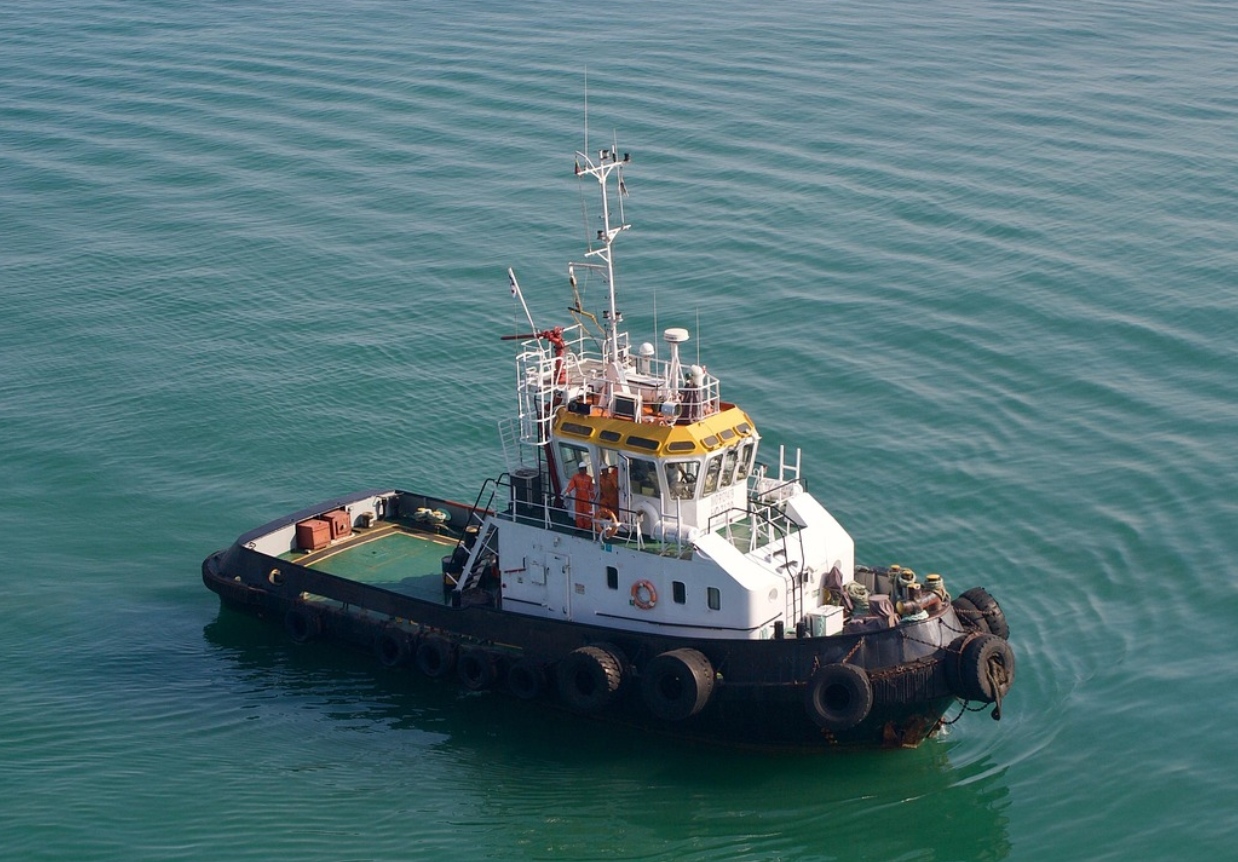
Under the cloak of early morning fog, harbor tugs start their ballet long before the first coffee is poured ashore. They don’t just push and pull; they read the water’s temper, feeling every eddy and current through their hulls like a whispered secret. Each tug has its own personality—some are feisty, charging at assignments with a throaty growl, while others hang back, steady and patient, waiting for the right moment to lean into a tanker’s flank.
There’s an unspoken hierarchy out on the water, a pecking order that has nothing to do with size or horsepower. The old salts at the helm swap tales through short radio bursts, passing on knowledge of which berth has a tricky silt buildup or which containership has a blind spot the size of a stadium. New crews earn their place over years, not days, learning that a tug’s true strength isn’t in its engine but in the bond between its crew and the sea’s rhythm.
At night, when the port lights smear across the black water, the tugs become something else entirely—restless shadows that never truly rest. They nose into corners no tourist ever sees, beneath colossal cranes and alongside silent bulk carriers, keeping the harbor’s pulse going while the city dreams. A tug’s secret life is one of perpetual motion, a quiet dance that keeps the world’s commerce breathing without ever asking for a spotlight.
From Steam to Electric: Tug Evolution
The shift from steam to electric power in tugboats didn't happen overnight. Early steam tugs, with their chugging engines and visible plumes of smoke, were the workhorses of harbors for decades. They relied on coal or later oil to keep their boilers hot, demanding constant stoking and a crew that worked in grimy, sweltering conditions. The transition began as diesel engines proved more efficient, but the real leap came with electrification—first in hybrid systems and now in fully electric designs that run on batteries. This wasn't just about swapping fuel types; it meant rethinking the entire vessel, from hull shape to operating patterns.
Modern electric tugs are quieter, cleaner, and surprisingly more responsive. Without the rumble of a diesel churning below deck, crews experience a completely different working environment—one where communication is clearer and fatigue from noise and vibration is reduced. The instant torque of electric motors gives harbor pilots precise control when nudging massive container ships into berths, a maneuver where a split-second delay can be costly. Ports are also embracing the change as they tighten emission rules, making these zero-exhaust tugs not just an option but a necessity in restricted urban waterways. The batteries themselves have evolved from lead-acid to sophisticated lithium-ion packs managed by thermal systems that keep them in optimal condition during demanding docking cycles.
Yet the evolution isn't without its challenges. Recharging infrastructure requires careful planning—a tug can't simply refuel at any dock. Operators are learning to work with shore power availability, often scheduling charges during crew shifts or overnight. The upfront cost can be daunting, though many find payoff in lower fuel and maintenance expenses. As battery technology improves and charging becomes more common, the next chapter in tug evolution will likely see even larger vessels going all-electric, finally closing the chapter on steam's legacy for good.
Tug Boat Engines: More Than Muscle
Tug boat engines are often perceived as brute force machines, their massive horsepower designed solely for pushing and pulling. But under the hood, these powerhouses are precision instruments of maneuverability. A modern tug’s engine works in tandem with azimuth thrusters or cycloidal propellers, transforming raw torque into 360-degree thrust almost instantaneously. This isn’t just about strength—it’s about finesse, allowing a tug to pirouette around a supertanker with inches to spare.
Beyond propulsion, the engine serves as the heart of a tug’s auxiliary systems. Hydraulic pumps, tow winches, and firefighting equipment all draw power from the same source. In hybrid and diesel-electric setups, the engine even becomes a mobile generator, feeding battery banks that can silently maneuver the vessel during standby. This dual role means a tug’s engine must be as reliable at idle as it is at full throttle, blurring the line between a prime mover and a floating power station.
Today’s engines also embed intelligence. Sensors monitor everything from cylinder pressures to exhaust temperatures, feeding data to onboard computers that optimize fuel maps in real time. The result isn’t just lower emissions—it’s an engine that learns the particular rhythms of its captain and port, adjusting behavior to meet the unique demands of every job. This quiet intelligence turns the tug into more than muscle: it becomes a thinking partner on the water.
Spotting a High-Quality Tug: Key Features
When you're on the hunt for a tug that won't let you down, the first thing to examine is the build. Look past the shiny paint and focus on the welding seams and material thickness. A well-made tug uses reinforced stress points, often with double-welded joints, and the metal itself should feel substantial without being unnecessarily heavy. Tapping different areas can reveal inconsistencies—a dull thud might suggest thinner plating or hidden weak spots. The best manufacturers take pride in these details, leaving clean, even seams that resist corrosion and fatigue over years of use.
Beyond the frame, the mechanical components tell you everything about long-term reliability. Check the hitch mechanism: it should engage smoothly without excessive play or grinding. The wheel bearings, if present, need to be sealed against moisture and grit—pop off a dust cap if you can and look for fresh grease, not rust-colored sludge. Handles and grips matter too; they should feel secure in your palm, with fasteners that sit flush or are counter-sunk. If the tug has moving parts like adjustable arms, work them through their full range. Any stiffness or uneven resistance hints at poor machining or lack of maintenance later on.
Finally, pay attention to the small cues that separate a workhorse from a quick fix. Tire quality is often overlooked—look for a tread pattern that actually channels water away rather than just looking aggressive, and sidewalls that resist cracking when flexed. Even the decals and branding can be a giveaway: neatly applied, UV-resistant labels suggest a company that sweats the details. If possible, ask about the warranty terms or check user reviews that mention specific use cases similar to yours. A tug that excels in your typical working conditions, be it airport ramps or muddy fields, will always outshine a generic option dressed up with marketing fluff.
Everyday Heroes: Tug Operators’ Tales
Tug operators start their day before the sun peeks over the container cranes, when the harbor is just a dark stretch of water and the air smells of salt and diesel. They don't get parades or medals, but every morning they coax thousand-ton vessels into narrow berths with a patience that comes only from years of reading currents and wind shifts. A slight miscalculation could mean twisted steel and a call to the coastguard, but these men and women make it look routine—even when their own hearts are pounding.
I remember a winter night when an inbound tanker lost steering during a squall. The radio crackled with tension as our lead tug captain radioed the bridge, voice steady as he positioned his boat alongside. Thirty minutes of slow-motion chess later, the ship was eased against the dock like a sleeping baby. No headlines the next morning, just a nod from the pilot and a flask of coffee shared in the wheelhouse, where stories like this never leave the water.
The real reward isn't in overtime pay. It's in the unspoken respect among crews who've pulled double shifts side by side, in the quiet satisfaction of a perfect maneuver, and in the sight of a departing ship sounding its horn in thanks. These are the everyday heroes of the port, their tales written not in logs but in the gentle dance of ships that keeps the world moving, one line thrown at a time.
FAQ
A standout tug boasts excellent maneuverability, often delivered by azimuth thrusters or cycloidal propellers. High bollard pull relative to its size is critical, along with robust engine power and redundancy. Fire-fighting capability, crew comfort, and durable hull construction also separate the best from the rest.
Today's tugs lean heavily on hybrid or fully electric propulsion for lower emissions and fuel use. Digital monitoring systems provide real-time performance data, while advanced winch and towline controls let a smaller crew handle complex operations with greater safety and precision.
Damen leads with its standardized yet customizable designs like the ASD Tug series. Sanmar delivers high-quality builds under license from Robert Allan Ltd., whose naval architecture dominates the sector. Uzmar and Cheoy Lee also turn out innovative, reliable vessels with strong regional footholds.
Harbor operations favor compact azimuth stern drive (ASD) and tractor tugs for nimble ship handling in confined spaces. Open-sea towing calls for larger, more powerful oceangoing tugs with deeper drafts, extended fuel capacity, and hulls built to withstand heavy weather on long-haul assignments.
Bollard pull measures the static pulling force a tug can exert. It's the go-to metric for gauging whether a vessel can safely maneuver massive ships or tow heavy offshore structures. A higher number doesn't guarantee all-around ability, but it’s a reliable starting point for matching tug strength to the task.
Emission tiers like IMO Tier III pushed builders to adopt selective catalytic reduction, scrubbers, or switch to LNG, hybrid, and fully electric systems. Hull shapes are now optimized for lower resistance, reducing fuel burn, while bio-based hydraulic oils and low-toxicity coatings minimize operational spills and marine pollution.
The Damen ASD 2811 is a workhorse for ship assist and towing, known for its 70-tonne bollard pull. The Robert Allan RAstar 3200 handles harsh open-sea conditions with a 120-tonne pulling power. For escort duties, the Voith Water Tractor remains a benchmark in handling lines at speed.
Conclusion
In the world of maritime workhorses, the best tug boats stand out not just for brute strength but for a blend of design cleverness and reliability that borders on artistry. What makes a tug unsinkable isn’t simply watertight compartments or reinforced hulls—it’s an almost obsessive attention to reserve buoyancy and stability, often achieved through wide beams and deep drafts that laugh in the face of rough seas. When spotting a high-quality model, look beyond the gleaming paint: robust fendering systems that absorb endless knocks, towing winches with surgical precision, and bridge layouts offering a 360-degree feel. Beneath the deck, the engine room tells the real story—modern tugs combine massive diesel power with electric or hybrid drives for pinpoint maneuverability, proving that true muscle is about controlled force, not just horsepower.
The evolution from coal-fired steam tugs to today’s whisper-quiet electric models mirrors a century of innovation, yet the soul of harbor work remains unchanged. Picture a day in the life of a harbor tug: nudging container giants into berths, sprinting to emergency calls, or standing by in the fog as a silent guardian with engines warm. The operators, the true heroes, speak with a mix of pride and affection, sharing tales of midnight rescues and tricky lock passages that test their vessel’s character. These stories reveal that the best tugs are more than specifications—they’re trusted partners built with fail-safe redundancy and a layout that feels like an extension of the captain’s instincts. Whether it’s a compact azimuthing stern drive tug or a beefy ocean-going salvage machine, the common thread is a marriage of time-honored toughness and cutting-edge tech that keeps these miniature giants at the heart of global trade.
Contact Us
Contact Person: Benny Hu
Email: [email protected]
Tel/WhatsApp: +8618354225697
Website: https://www.allheartmarine.com/