

Used Bulldozers Factory: Unveiling Reliable Heavy Machinery Sources
2026-05-18
In the market for a dependable used bulldozer, the search often feels like navigating a minefield. But what if there was a source that cut through the uncertainty? Behind the scenes at JILIANG CHI, heavy machinery isn't just resold—it's revitalized. This inside look at their factory reveals why seasoned buyers keep coming back, and why your next investment might just be a machine with a story worth telling.
How to Spot a Well-Maintained Bulldozer in a Used Equipment Lot
Spotting a well-maintained bulldozer in a used equipment lot isn't just about a shiny paint job. The real story is in the details that many buyers overlook. Start by checking the undercarriage, the most expensive wear item. Look for even track pad wear, minimal sprocket tooth sharpness, and consistent roller and idler condition. If the undercarriage looks like it's been neglected, walk away—no matter how good the rest of the machine appears.
Next, examine the engine and hydraulic systems for signs of regular servicing. Pull the dipstick and check the oil: it should be clean, not gritty or burned. Look for fresh filters, no active leaks around seals or hoses, and hydraulic fluid that’s clear, not milky. A quick glance at the hour meter isn’t enough—real maintenance leaves clues like consistent grease on pivot points and clean radiator fins.
Finally, test the machine’s operation if possible. Listen for unusual engine knocks or excessive smoke, and check that the blade and ripper move smoothly without hesitation. Inspect the frame for cracks or welds that suggest heavy repairs. A well-maintained bulldozer will have a complete service record, but even without one, these hands-on checks can separate a hidden gem from a money pit.
The Untold Advantages of Buying Directly from Factory-Owned Yards
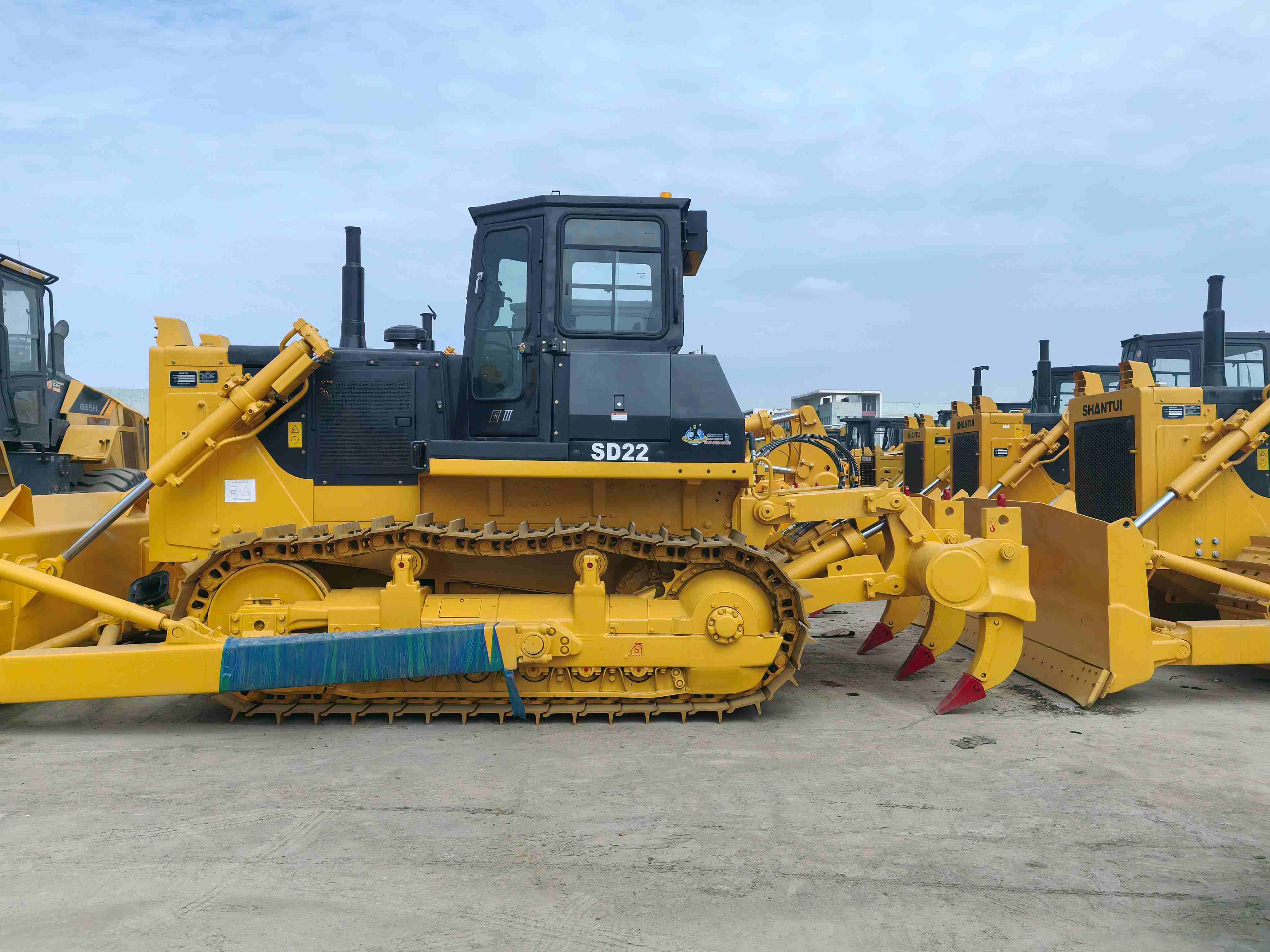
Walking through a factory-owned yard, you quickly notice the difference from a typical retailer or middleman setup. The materials aren’t just sitting there waiting for a buyer—they carry the story of their origin. You see the same people who oversaw production now showing you their work firsthand. This direct connection cuts out layers of miscommunication and markup. When you ask about a product’s specifications, the answer comes from someone who actually managed its creation, not a salesperson flipping through a brochure. There’s a quiet confidence in knowing exactly where your materials come from and who stands behind them.
Another overlooked perk is the flexibility that factory yards offer. Need a custom cut or a slight dimension adjustment? In a conventional store, that request often triggers delays, extra charges, or a flat “no.” But at the source, small modifications are just part of the workflow. The yard crew can often make a call to the shop floor and get an answer in minutes. This agility makes a huge difference for projects with unusual requirements or tight timelines. It’s the kind of practical advantage that rarely makes it into brochures but saves real headaches on the ground.
There’s also an informational richness that simply doesn’t exist anywhere else. Factory yards are filled with people who understand not just the finished product, but the nuances of the raw inputs, the behavior of the material under different conditions, and even how to handle common installation pitfalls. Tapping into that knowledge can prevent costly mistakes long before they happen. And because there’s no sales pressure cooked into a commission structure, the advice tends to be refreshingly honest. You end up buying with clarity, not just with a receipt.
Decoding Service Histories: What Sellers Don't Always Share
When you glance at a vehicle's service history, it can look reassuringly complete—stamps in a booklet, a neat stack of receipts. But dig a little deeper and you may notice something missing: the story between the scheduled oil changes. Many sellers quietly skip over repairs they deemed minor, warranty work they’d rather forget, or long intervals where no records exist at all. It’s not always dishonesty; sometimes they simply lose track. Yet these gaps can hint at skipped maintenance or problems that weren’t officially logged.
Some histories, on the surface, show a well-cared-for car, but fail to mention that every repair was done by a cut-rate shop using the cheapest parts available. Others conveniently leave out bodywork after a fender bender—because if it’s not on a Carfax report, does it even count? You’re often left to play detective, reading between the lines of what’s presented. A sudden drop in service frequency, for instance, might mean the vehicle sat unused for months, quietly deteriorating. These omissions rarely make it into the sales pitch.
What’s more, private sellers sometimes hand you a folder full of enthusiasm rather than substance. They’ll proudly show you the original window sticker but can’t explain who did the last transmission service. Dealerships, on the other hand, may tout a “fully inspected” label while omitting that the inspection only covered basics. The real insight often comes from independent records, receipts for parts ordered online, or even a quick chat with the previous mechanic. Without that, you’re simply trusting a story that’s been edited for your approval.
When a Refurbished Machine Outperforms a Brand-New One
There’s a quiet confidence that comes with a refurbished machine—one that has already been through the wringer and emerged stronger. Unlike a brand-new unit that rolls off the assembly line and into a box, a refurbished device has been meticulously tested, often by hand, with failing components swapped out for newer, sometimes better, parts. It’s not uncommon for a refurbished machine to end up with a power supply or a cooling fan that’s actually an upgrade from what the factory originally installed. In a strange way, the refurb process can feel less like a repair and more like a thoughtful rebuild.
Another subtle advantage is that refurbished equipment has typically survived the “infant mortality” stage that plagues a small percentage of new electronics. Those early, random failures—caused by microscopic manufacturing flaws—have already happened and been corrected. What remains is a unit that has proven it can run reliably under real-world conditions, often after passing stringent diagnostic suites that no factory-fresh machine ever goes through. It’s a bit like buying a car that’s already completed its break-in period and had its first thorough service.
There’s also the matter of software. While a brand-new machine might sit on a shelf for months with outdated firmware, a refurbished one is usually flashed to the latest stable version before it’s repackaged. That means fewer immediate updates, fewer security patches to apply on day one, and a smoother setup experience. In a world where the out-of-box experience can make or break your trust in a device, a well-prepared refurbished machine often delivers a first impression that feels oddly more polished than a pristine, untouched original.
Overlooked Sources That Consistently Deliver Quality Heavy Iron
When most people think of heavy iron, they picture grand exhibitions or famous auction houses. Yet those in the know have long turned to less obvious channels—regional farm auctions, retiring collector estates, and even municipal surplus sales. These outlets often fly under the radar, but they consistently surface machines with genuine structural integrity, untouched by over-restoration. The key is persistence and building a network of local contacts who can tip you off to the hidden gems before they get cataloged.
Another quietly reliable source is the loose fraternity of skid steer and backhoe operators who upgrade their fleets. Rather than trading in equipment, many prefer to sell privately to avoid dealer markdowns. These machines have been worked hard, yes, but typically maintained meticulously because they were someone's livelihood. If you can establish trust with a few contractors, you'll often get first refusal on machines that still have years of service left in them.
Finally, don't underestimate the power of a well-placed want ad in rural newspapers or community bulletin boards. It sounds antique, but this method reaches elderly owners who are downsizing and have no interest in digital marketplaces. Their equipment frequently comes with original manuals, spare parts, and a fascinating story. Patience is essential, but the reward is a piece of heavy iron that hasn't been picked over by a hundred tire-kickers.
Questions That Separate Serious Sellers from the Rest
When the market shifts, the talkers go quiet and the doers step up. It’s not about flashy presentations or endless promises—it’s about the questions they ask before the sale even begins. A seller who truly understands your needs won’t just pitch features; they’ll dig into your headaches, your goals, and the roadblocks keeping you up at night. They’ll ask what happens if nothing changes, and whether the cost of inaction outweighs the investment. Those conversations feel different—less like a transaction, more like a partnership forming in real time.
Beyond the surface-level discovery, watch how they handle the tough stuff. Do they ask about past failures? Do they want to know who else is involved in the decision and what’s at stake for each person? The professionals aren’t afraid to talk about budget constraints or competing priorities because they know alignment matters more than a quick close. They’ll question whether you have the internal resources to succeed, and if not, they’ll map out what support actually looks like—not just a generic onboarding packet. This level of questioning separates someone chasing a commission from someone building a long-term reputation.
Finally, the best sellers flip the script: they invite you to question them back. They’ll ask what’s worked before and what left a bad taste, so they don’t repeat mistakes. They want to know how you measure success in your own words, not just in their funnel metrics. And when they follow up, it’s not with a templated check-in—it’s with a reference to a specific challenge you mentioned, maybe even a new idea they had after the call. That’s the giveaway. The ones who keep thinking about your problem long after the meeting ended are the ones you want in your corner. Those questions don’t just separate serious sellers—they define them.
FAQ
A used bulldozers factory typically acquires heavy machinery from trade-ins, auctions, or direct purchases, then refurbishes and resells them. These facilities often have dedicated workshops to inspect, repair, and certify equipment before offering it to buyers.
Factories often provide a more structured buying process, with machines that have undergone thorough checks and servicing. You're more likely to get a machine with verifiable history, some level of warranty, and access to spare parts or after-sales support.
Request maintenance logs, inspect the undercarriage for wear, check engine hours, and look for signs of major repairs. If possible, have a third-party mechanic examine the machine or ask for recent inspection reports from the factory.
They usually include engine diagnostics, hydraulic system tests, undercarriage and track assessments, blade and ripper condition checks, and operational tests under load to ensure everything functions properly.
Many do. Reputable factories often provide limited warranties covering major components for a set period or hours. They may also offer service packages, readily available parts, and technical assistance after the sale.
Look for factories with a solid track record, positive customer testimonials, and transparent business practices. Visiting the facility in person, checking their inventory condition, and asking about their refurbishment standards can give you confidence.
Prices vary widely based on age, model, hours, and condition. A small, older crawler might start around $20,000, while larger, late-model units with low hours can exceed $150,000. Factory-refurbished machines often hold a premium over as-is private sales.
Absolutely. Many factories can retrofit bulldozers with attachments like rippers, winches, or GPS systems, and may perform custom paint or branding. It's best to discuss your specific needs early in the buying process.
Conclusion
When you step into a factory-owned yard selling used bulldozers, the game changes. Forget the gamble of random lots—here, machines often come with traceable backgrounds and direct accountability. A well-maintained unit isn’t just about fresh paint; look for consistent wear patterns, tight hydraulic connections, and undercarriage that tells a story of regular attention. The real advantage? Access to service records that many third-party sellers conveniently omit. By digging into oil analysis reports and parts replacement logs, you unlock the true health of the machine. This transparency is rarely found outside factory-affiliated sources, making them a standout choice for buyers who value integrity over guesswork.
Surprisingly, a thoughtfully refurbished bulldozer can outshine a brand-new model that hasn’t been battle-tested. Factory reconditioning often addresses common design flaws and reinforces weak points, giving you a work-hardened machine with modern upgrades. Look beyond the obvious dealerships—government surplus auctions, rental fleet liquidations, and specialized brokers in heavy machinery hubs consistently deliver quality iron. When engaging sellers, ask targeted questions: "What were the daily grease routines?" or "Show me the crack detection reports." These separate the serious players from the flip-and-sell crowd. Ultimately, reliable heavy machinery isn’t a secret; it’s found by those who inspect with a critical eye and buy from sources that stand behind their equipment.
Contact Us
Contact Person: Sally Xiao
Email: [email protected]
Tel/WhatsApp: 086-18221477398
Website: http://www.shjiliangchi.com/