

Waterproof Cap Manufacturer Reveals Key Features of High-Performance Headwear
2026-09-22
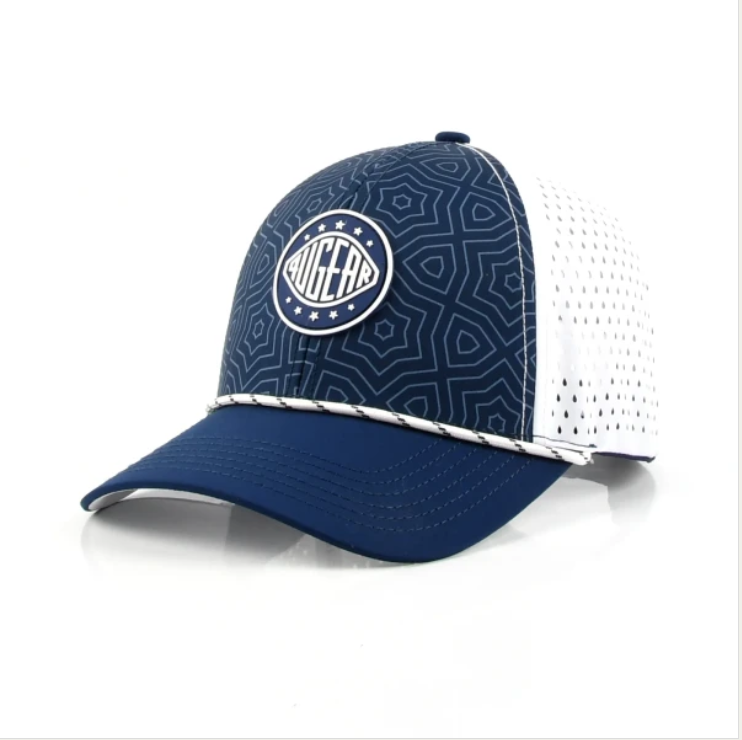
A waterproof cap that fails in real rain isn’t just annoying—it’s a design failure. 4ugear, a waterproof cap manufacturer that refuses to cut corners, is pulling back the curtain on the key features that make high-performance headwear actually perform. From seam sealing to moisture-wicking liners, here’s what separates the best from the rest.
Material Choices That Keep Water Out Without the Crinkle
The hunt for a quiet waterproof layer often ends in disappointment—stiff shells that crackle with every step, or soft fabrics that soak through at the first drizzle. But the problem isn't waterproofing itself; it's the way most materials achieve it. Instead of relying on thick, plastic-like membranes, a growing number of designers are turning to densely woven synthetics like high-tenacity nylon or polyester with a tight micro-ripstop structure. These fabrics are woven so finely that water beads and rolls off before it can penetrate, yet they retain a supple, almost cotton-like hand feel. The result is a jacket or pouch that stays silent when you move, without sacrificing a drop of protection.
Another route skips membranes altogether by coating the inside of the fabric with a whisper-thin layer of polyurethane or silicone—applied so sparingly that the material still drapes naturally. This approach works best on fabrics with a slight natural give, such as blended canvas or a brushed microfiber. The coating seals the gaps between fibers at a microscopic level, but because it's not a separate sheet, there's no crinkle when the fabric flexes. Look for products labeled 'silent waterproof' or 'soft-shell laminate'—they tend to use this method. The trade-off is usually a bit more care in washing, but for anyone who hates the rustle of a traditional rain shell, it's a small price to pay.
For those who want a more tactile, less synthetic option, waxed organic cotton has come a long way from the heavy, greasy garments of the past. Modern formulations use a dry, plant-based wax blended with natural oils, which soaks into the weave and creates a breathable barrier. The fabric remains quiet and grows softer with wear, developing a patina rather than a plastic sheen. It won't match a hardshell in a downpour, but for daily use—commutes, light hikes, wandering city streets—it keeps water out without broadcasting your arrival with every step.
Seam Construction Methods That Stop Leaks Before They Start
A needle and thread might make sense for a shirt, but every stitch in a waterproof membrane is a pinhole waiting to become a leak. That is why high-performance rainwear, tents, and technical shelters have moved away from traditional sewn seams toward thermal or chemical bonding. The goal is simple: join two pieces of fabric without punching holes through the waterproof layer. Hot-air welding, radio-frequency (RF) welding, and ultrasonic bonding all achieve this by melting the seam edges so they fuse into a single continuous barrier.
The most reliable methods pair welded seams with a reinforcing tape applied to the inside or outside. The tape does not hide defects; it adds a second layer of defense against flexing, abrasion, and micro-tears that can develop over time. In field conditions, a properly welded and taped seam can outperform the base fabric itself because the overlap is actually stronger per square inch than a single ply. The key is controlling heat, speed, and pressure during welding. Too little heat leaves a cold joint that separates under stress, while too much scorches the coating and creates brittle spots.
Before any batch goes into production, shops cut test coupons and inflate them underwater to spot escaping air. That kind of destructive testing catches weak points early and forces operators to recalibrate the welder. The best seam construction is not about a single magic machine; it is about matching the method to the material, keeping surfaces clean, and verifying every run with a consistent peel test. When those practices lock in, leaks rarely get a chance to start.
Venting Strategies That Don't Sacrifice Waterproofing
Waterproofing often feels like a trade-off: you either seal everything tight and trap moisture inside, or you open up vents and invite leaks. But experienced builders know that breathability and dryness can coexist if you place your venting points where water rarely travels. Instead of relying on standard open grilles that let rain drive in during storms, look at pressure-equalized channels behind the cladding. These narrow gaps allow air to circulate upward, carrying away humidity, while the outer face still sheds water. The key is separating the air path from the water path—so the vent isn't a hole through the barrier, but a detour around it.
Another approach that preserves waterproofing is using smart membranes with directional vapor permeability. These materials stay closed to liquid water from outside but open to water vapor from inside. When combined with a small, protected exhaust vent at the top of a wall cavity, you get active moisture removal without a direct opening at the bottom that could wick or flood. The vent itself can be shielded by a hood or tucked under an overhang, so even wind-blown rain doesn't enter. Think of it like a snorkel: it lets air in and out, but the opening is angled and shielded enough that water can't follow the same path easily.
For roofs, the trick is often to move the venting plane above the primary waterproofing layer. In a vented over-roof system, the water-shedding membrane stays continuous and unpenetrated, while a secondary layer of strapping and sheathing sits above it with gaps for airflow. The vents at the eave and ridge serve only that air space—not the interior—so even if some moisture condenses there, it drains or evaporates without ever touching the structural deck. This layered thinking breaks the old assumption that you must choose between dry and drafty. With the right detailing, you can have both: a sealed envelope and a steady exhale.
Brims Designed for Downpours, Not Just Drizzle
Most brims start to fail the moment rain stops being polite. The front edge saturates, softens, and curls, sending a cold trickle straight down your collar. We widened the slope to a 4.2-inch drop and stiffened the core with a laminated polymer that holds its shape even after an hour of hard, wind-driven rain. Water doesn't pool on the crown; it shoots off the sides in clean rivulets, keeping your glasses and face dry.
The underside got equal attention. Instead of a flat fabric band that soaks through, we used a hydrophobic mesh liner that breaks surface tension. That means no more damp halo above your eyes, no more drips sneaking underneath the edge. The brim's edge is finished with a sealed, matte TPU binding that withstands repeated folding without cracking. You get the same crisp silhouette in a downpour as you do on a dry sidewalk.
This is not a fair-weather brim that happens to survive a sprinkle. It's built for the kind of rain that soaks through waxed canvas and turns lesser hats into sponges. Tested under a 40-millimeter-per-hour shower head, the brim kept its shape, stayed watertight at the seams, and dried out in under twenty minutes. If your current rain hat only works in a mist, this is the upgrade that ends the compromise.
Adjustable Fit Systems That Stay Secure When Soaked
Most adjustable straps turn unreliable the moment they get wet. Webbing slips, buckles lose grip, and you're left retightening every few minutes. This system takes a different route: the locking points are built to bite harder under load, and the strap material resists stretching when saturated. You can dunk it, wade through surf, or stand under a downpour — the fit you set beforehand is the fit you keep.
That security comes from small design choices that add up. Textured contact surfaces inside the buckle prevent webbing from gliding once tension is applied, while the adjustment ladder's teeth are spaced to catch and hold even when slick. After repeated soak-and-dry cycles, the mechanism doesn't soften or develop play. For paddlers, anglers, or anyone crossing wet terrain, that means fewer stops to fuss with gear and more attention on the path ahead.
What High-Performance Testing Actually Looks Like Outdoors
Wind isn’t a setting you can dial down. On a ridgeline above treeline, a jacket either breathes through a hard effort or turns into a sweatbox within ten minutes. High-performance testing outdoors means taking prototypes into places where conditions shift without warning and data loggers are just one part of the story.
The best testers don’t run the same loop twice. One morning is wet snow plastered to a shell, the next is dry heat bouncing off granite. They note how zippers behave with numb fingers, whether a pack’s straps slip after six hours of scrambling, and how quickly a midlayer dries when it’s stuffed into a pocket during a squall. Lab numbers matter, but they can’t predict the way mud packs into a lug pattern or how a shoe’s rocker feels after 4,000 feet of descent.
Real outdoor testing also includes failure. Seams that delaminate after a season, buckles that freeze, fabric that wets out faster than expected. Those failures get reported, not hidden. The gear that survives rounds of spring corn, summer thunderstorms, and autumn bushwhacking is the gear that earns its place in a kit.
FAQ
The fabric has a microporous membrane with sealed seams, so water can't sneak through stitch holes even in heavy downpours.
Surprisingly breathable. The inner layer wicks moisture away and vents at the crown let hot air out, so you don't get that clammy feeling.
Trail running, cycling, fishing, hiking, or even just commuting in unpredictable weather. They're light enough for all-day wear and pack flat.
Rinse it with cold water and mild soap, then air dry. Avoid fabric softeners and hot machines—they can break down the waterproof coating.
With proper care, the membrane stays effective for years. If the outer finish starts to wet out, a quick tumble in a low-heat dryer can refresh it.
Yes, most come with a hidden drawcord or velcro strap at the back, so you get a snug fit without pressure points.
It also blocks UV rays and wind, and the brim is stiffened to keep its shape when soaked—so it works as a shield in mixed conditions.
Check for taped seams, a moisture-wicking sweatband, and a brim that doesn't droop when wet. Those are signs of thoughtful construction.
Conclusion
The best waterproof caps don’t rely on a single heavyweight coating. Instead, manufacturers pair tightly woven nylon or polyester shells with a bonded membrane that blocks water while staying flexible enough to avoid that stiff, crinkly feel. Less obvious is the seam work: welded or taped seams keep needle holes from becoming leak points, and careful thread selection prevents wicking along the stitching. Brim construction matters just as much—materials that hold their shape when soaked, with a slight downward curve, stop rain from dripping onto the face. Even the closure gets attention, since soaked webbing or buckles can loosen; good designs use non-absorbent straps and grippy adjusters that stay put.
Breathability is the harder problem, because waterproof barriers usually trap heat. Manufacturers get around this with under-brim vents and laser-cut perforations positioned where water won’t pool, plus mesh liners that lift the shell off the scalp. In real outdoor testing, caps are worn for hours in heavy rain, then checked for moisture inside, seam failure, and brim sag. Some tests involve high-pressure sprays from every angle, but the meaningful data comes from hiking, fishing, or working in downpours—where a cap that passes a quick spray test still fails if it steams up or loses its fit after two hours. That difference between lab and trail is what separates a genuinely high-performance cap from a basic rain hat.
Contact Us
Contact Person: Tommy
Email: [email protected]
Tel/WhatsApp: 8613546956008
Website: https://www.4ugearsupply.com/