

Are You Choosing the Right Stair Railing for Safety, Style, and Long-Term Value?
2026-02-26
When I first began working closely with homeowners, contractors, and developers on staircase projects, I realized how often people underestimated the importance of a well-designed Stair Railing. Over time, as I collaborated with manufacturers like Foshan Nante Metal Products Co., Ltd., I saw how the right system could transform not only the safety of a space but also its architectural identity. A carefully engineered Stair Railing is not just a safety feature; it is a structural element that supports daily life, enhances design continuity, and adds measurable property value.
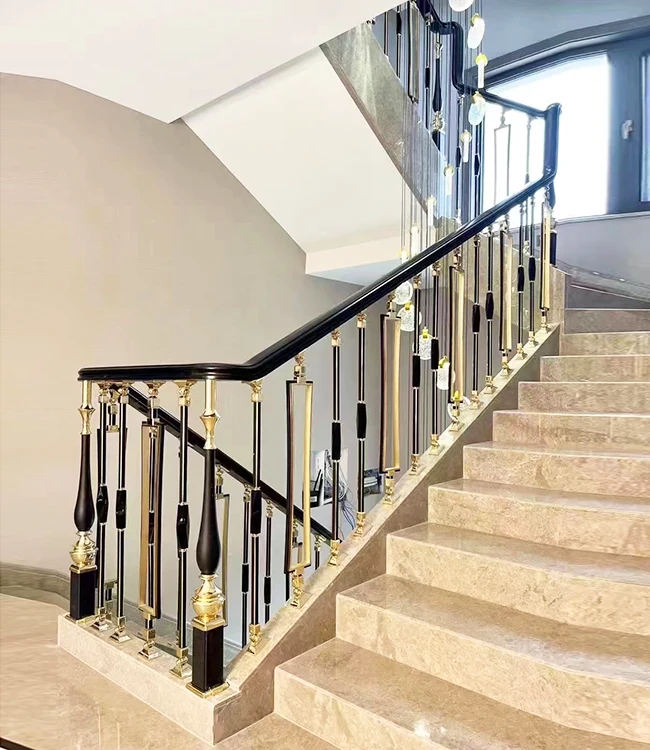
Why Does Stair Railing Matter More Than Most People Expect?
I have worked with clients who initially focused on flooring, lighting, or wall finishes, only to realize later that the staircase is one of the most visible and frequently used parts of any building. The Stair Railing plays several critical roles:
- Safety assurance for children, elderly residents, and high-traffic commercial spaces
- Structural stability that supports weight and reduces accident risks
- Visual continuity that connects floors seamlessly
- Compliance with local building codes and inspection standards
- Long-term durability under daily wear and environmental exposure
When a railing system is poorly designed or fabricated with inferior materials, it quickly becomes loose, corroded, or unstable. That is where professional manufacturing and precise engineering make a visible difference.
How Do I Evaluate the Quality of a Stair Railing Before Purchasing?
Many of my clients ask how they can judge quality without physically visiting a factory. Based on my experience, I focus on the following measurable indicators:
- Material grade such as stainless steel 304 or 316 for corrosion resistance
- Welding precision and smooth surface finishing
- Load-bearing test reports and structural calculations
- Surface treatment options including powder coating or brushed finishes
- Customization capability for residential and commercial projects
A reliable Stair Railing supplier should provide detailed technical drawings and clear installation instructions. I always recommend choosing a manufacturer that understands both fabrication and international compliance standards.
Which Materials Perform Best in Different Environments?
Material selection directly impacts maintenance cost and lifespan. Here is how I usually compare common options:
| Material Type | Best Application | Main Advantage | Consideration |
| Stainless Steel 304 | Indoor residential stairs | Corrosion resistance and modern appearance | Not ideal for strong coastal exposure |
| Stainless Steel 316 | Outdoor or coastal projects | Superior anti-rust performance | Slightly higher cost |
| Powder-Coated Steel | Commercial buildings | Custom color flexibility | Requires quality coating process |
| Glass with Metal Frame | Luxury interiors | Open visual effect | Needs precision installation |
When I discuss specifications with project managers, I always recommend aligning the material choice with climate conditions and expected usage intensity. A high-quality Stair Railing system is an investment, not just a decorative detail.
Can Stair Railing Improve Property Value and Buyer Appeal?
Absolutely. I have seen properties gain stronger buyer interest simply because the staircase area feels open, modern, and secure. A well-designed Stair Railing contributes to:
- Enhanced natural light flow
- Architectural consistency across levels
- Higher perceived construction quality
- Better first impressions during property viewings
In competitive real estate markets, details matter. Buyers often notice craftsmanship subconsciously. When a railing system feels solid and refined, it communicates reliability throughout the entire building.
What Common Problems Should I Avoid During Installation?
Over the years, I have encountered recurring issues during site inspections:
- Incorrect anchor placement causing instability
- Improper height measurements leading to code violations
- Poor surface finishing that shows weld marks
- Inconsistent spacing between balusters
- Lack of coordination between railing and stair structure
Working with experienced manufacturers and installation teams minimizes these risks. Professional suppliers provide clear shop drawings and offer technical support to ensure the Stair Railing integrates seamlessly with your staircase design.
How Do I Balance Custom Design with Budget Control?
Customization does not have to mean uncontrolled expenses. I advise clients to prioritize:
- Standardized component sizes where possible
- Efficient modular design systems
- Surface finishes that require minimal long-term maintenance
- Accurate early-stage measurements to prevent rework
A strategically designed Stair Railing can achieve both visual impact and cost efficiency. By planning carefully and working directly with a capable manufacturer, you reduce intermediary markups and avoid unexpected revisions.
Is It Time to Upgrade Your Stair Railing for Better Safety and Design?
If you are planning a renovation or managing a new construction project, evaluating your current railing solution is a smart starting point. From my professional perspective, investing in a durable and visually cohesive Stair Railing system ensures long-term safety, reduced maintenance, and stronger property appeal.
If you would like technical drawings, customization options, or a tailored quotation for your project, we encourage you to contact us today. Share your project details, and our team will help you select the most suitable Stair Railing solution that meets both performance and design expectations.