

Why Do Shipowners Around the World Rethink Port Protection with Modern Marine Fender Systems?
2026-03-12
When vessels approach a berth, the moment of contact with the quay is often the most underestimated risk in port operations. Over the past few years, I have watched ship operators, shipyards, and port engineers become far more attentive to impact protection. During this transition, Qingdao SunKai Marine Supplies Co., Ltd. gradually introduced more advanced solutions into global supply chains, particularly high-performance Marine Fender systems designed to handle demanding marine environments. Instead of viewing fenders as simple rubber accessories, many operators now treat them as critical safety infrastructure that protects ships, docks, and cargo investments.
In my experience working with port facilities and marine equipment buyers, the questions they ask are rarely about price alone. They want reliability, long service life, easy installation, and predictable performance under real-world conditions. That is why understanding how a well-designed Marine Fender works—and why the right choice matters—can significantly reduce maintenance costs and operational risks.
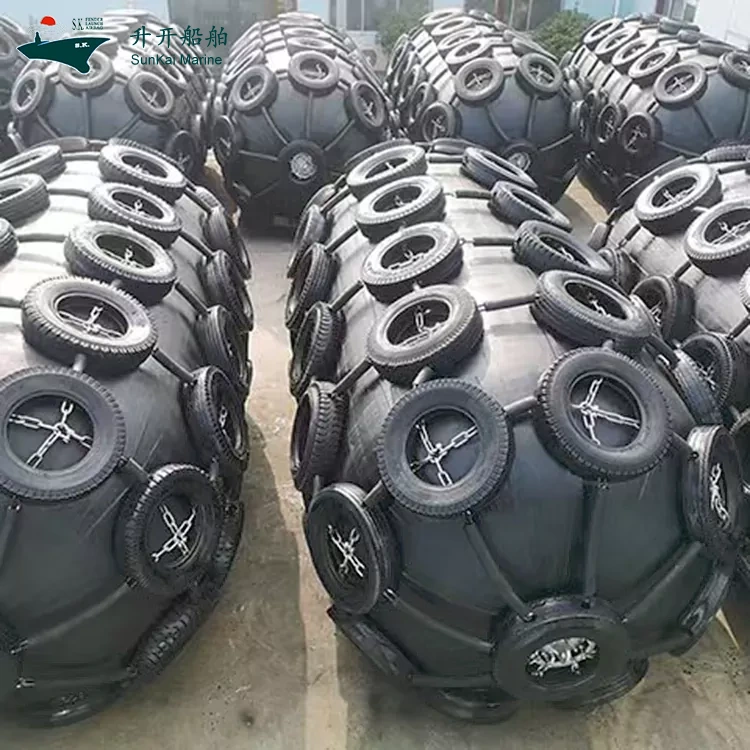
How Can A Reliable Marine Fender Reduce Berthing Damage and Operational Risk?
Every docking maneuver involves kinetic energy. When a vessel weighing thousands of tons moves toward a dock, even a slow approach generates enormous impact force. Without an effective buffer system, the consequences may include hull deformation, damaged quay walls, and expensive operational delays.
I often explain to port operators that a high-quality Marine Fender acts as an engineered energy absorption system rather than just a rubber barrier. The design allows the fender to compress and disperse impact force before it reaches the dock structure or vessel hull.
From a practical standpoint, the right fender solution can provide several operational advantages:
- Improved vessel safety during docking and mooring
- Reduced repair costs for both ships and port infrastructure
- Consistent energy absorption across different vessel sizes
- Protection against structural fatigue in harbor facilities
- Lower long-term maintenance requirements
When I evaluate berthing systems with clients, the biggest difference between ordinary rubber buffers and engineered Marine Fender systems becomes clear during repeated docking cycles. The engineered system maintains elasticity and structural integrity far longer, even under harsh marine conditions.
What Features Should Buyers Look For When Selecting a Marine Fender for Port Infrastructure?
Many buyers initially assume all fenders perform similarly, but in reality performance depends on material composition, structural design, and manufacturing quality. When I help marine buyers evaluate suppliers, I normally recommend focusing on several key parameters.
| Evaluation Factor | Why It Matters | Impact on Port Operations |
| Energy Absorption Capacity | Determines how much impact energy the fender can dissipate | Protects docks from structural damage |
| Reaction Force | Controls the load transferred to dock structures | Reduces stress on quay walls |
| Material Durability | High-quality rubber resists UV, seawater, and ozone | Extends service life and reduces replacement frequency |
| Installation Flexibility | Allows compatibility with different dock configurations | Simplifies maintenance and future upgrades |
| Maintenance Requirements | Lower maintenance reduces operational interruptions | Improves port efficiency |
Through real projects, I have seen how the correct Marine Fender selection can significantly extend the lifespan of port infrastructure. Choosing the right specification often prevents problems that would otherwise appear years later in the form of structural fatigue or recurring repair costs.
Why Do Modern Ports Prefer Engineered Marine Fender Solutions Over Traditional Dock Protection?
Ports today handle increasingly large vessels. Container ships, LNG carriers, and bulk vessels all impose heavier loads during berthing. Traditional dock protection methods simply cannot absorb the impact forces generated by modern maritime logistics.
That is why many port planners are turning toward engineered Marine Fender systems designed with precise performance calculations. These systems offer predictable compression behavior, ensuring the fender performs reliably even when vessels approach under varying environmental conditions such as tidal movement or crosswinds.
From my perspective, the shift toward engineered fender systems is driven by three major industry trends:
- Growth of large-tonnage commercial vessels
- Stricter port safety regulations
- Increased focus on long-term infrastructure investment
When port authorities evaluate long-term infrastructure protection, a properly engineered Marine Fender system often becomes a strategic investment rather than a simple equipment purchase.
How Does Supplier Expertise Influence the Performance of a Marine Fender System?
Even the most advanced design will not perform well if manufacturing quality and engineering support are inconsistent. In my experience, working with a knowledgeable marine equipment supplier makes a major difference in project outcomes.
Suppliers such as Qingdao SunKai Marine Supplies Co., Ltd. support shipyards, marine contractors, and port authorities by offering product design consultation, reliable manufacturing processes, and global logistics support. This type of cooperation ensures that each Marine Fender installation matches the specific conditions of the berth, vessel types, and operational requirements.
When technical guidance is included during the procurement stage, project teams can avoid common mistakes such as:
- Underestimating berthing energy levels
- Choosing incompatible mounting systems
- Selecting incorrect fender dimensions
- Overlooking long-term maintenance factors
These details might seem minor at first, but they directly affect the performance of the entire Marine Fender installation over the next decade.
Is Investing in a High Quality Marine Fender System the Smartest Way to Protect Marine Infrastructure?
After working with many port operators and shipowners, I have noticed that the most successful projects treat docking safety as an engineering priority rather than an afterthought. The right Marine Fender solution protects vessels, cargo, and port infrastructure simultaneously while improving operational efficiency.
If your port, shipyard, or marine construction project requires reliable docking protection, exploring professional fender solutions may be the next logical step. A well-designed system can significantly reduce long-term costs while improving operational safety.
If you would like to learn more about advanced Marine Fender solutions or discuss the right specification for your project, we welcome you to contact us for detailed technical information, product recommendations, or a customized quotation. Our team will be happy to help you find a dependable marine protection solution for your next harbor or vessel project.